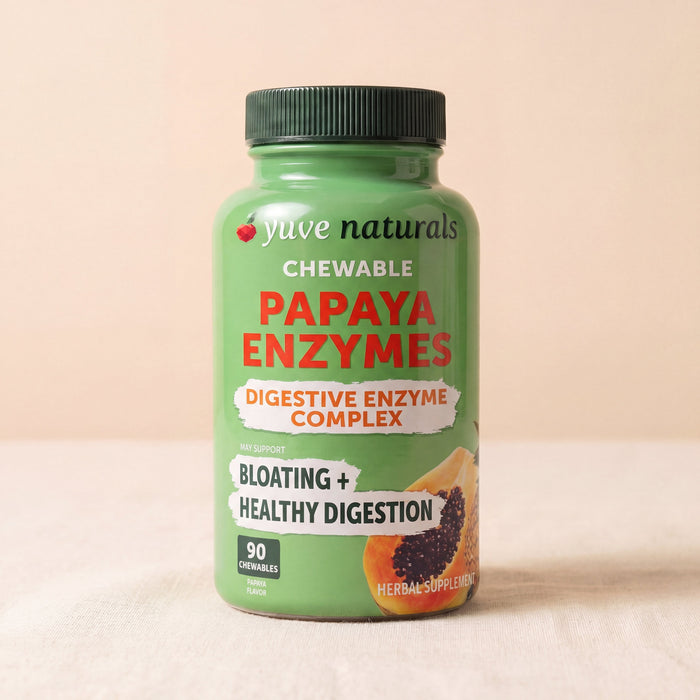
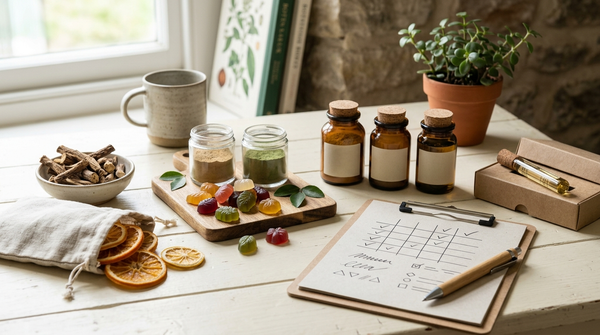
The best gut health supplements in 2026 are the ones that match a specific routine gap: probiotics for live-culture support, prebiotic fiber for low-fiber patterns, digestive enzymes for meal-specific food breakdown, and soothing digestive botanicals for comfort routines. Yuve’s strongest fit is clean-label daily adherence, not one-size-fits-all gut repair.
How did we evaluate gut health supplements for 2026?
Yuve evaluated gut health supplements by matching each category to a defined use case: live microorganisms, fermentable fiber, enzyme-substrate matching, and daily digestive comfort. We prioritized named strains, transparent ingredient panels, third-party quality cues, vegan fit, serving format, and structure/function language over dramatic gut-reset claims. We excluded disease-treatment promises, proprietary blends that hide meaningful details, and products that treat bloating, constipation, reflux, or IBS as one interchangeable problem. This guide has a limitation: supplement evidence is category-specific and person-specific, so persistent pain, blood, weight loss, vomiting, fever, or major bowel changes need medical evaluation before a new supplement routine.
What should you look for in a gut health supplement?
A gut health supplement should identify the exact job it is trying to do. Probiotics should disclose live organisms, dose, storage requirements, and ideally strain codes; ISAPP defines probiotics as live microorganisms that confer a health benefit when administered in adequate amounts (ISAPP). Prebiotic fiber should name the fiber source, serving grams, and tolerance plan because sudden fiber jumps can increase gas. Digestive enzymes should connect enzyme type to food substrate, such as lactase for lactose or alpha-galactosidase for bean oligosaccharides. Botanicals and chewables should use conservative comfort language rather than disease claims. The FDA explains that dietary supplements are regulated differently from drugs, so labels cannot be read like approved treatment claims (FDA). A good product makes its role obvious.
Affiliate disclosure: Some links below are affiliate links. This does not influence our evaluation criteria or recommendations.
How do the main gut health supplement categories compare?
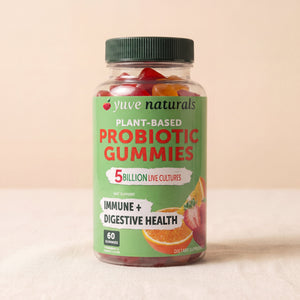
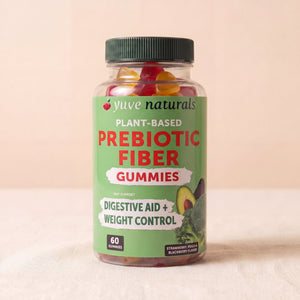
Gut health categories compare best by mechanism, not by hype. Yuve Probiotic Gummies fit users who want a vegan daily probiotic gummy routine. Yuve Prebiotic Fiber Gummies fit users whose diet is consistently low in fermentable fiber and who need gradual routine support. Yuve Vegan Daily Cleanse fits buyers comparing plant-based digestive support around meals. Yuve DGL Licorice Chewables fit people building a soothing digestive comfort routine without caffeine or harsh stimulants. These products should not be collapsed into one "best gut supplement." They answer different routine gaps. A shopper choosing among them should start with diet pattern, meal triggers, tolerance, and format preference.
| Category | Best for | Yuve option | Key caveat |
|---|---|---|---|
| Probiotic | Daily live-culture routine | Probiotic Gummies | Benefits are organism-specific |
| Prebiotic fiber | Low-fiber eating patterns | Prebiotic Fiber Gummies | Increase gradually |
| Digestive enzymes | Meal-specific support | Vegan Daily Cleanse | Match ingredient role to meals |
| DGL licorice | Soothing comfort routine | DGL Licorice Chewables | Not a reflux treatment |
Which Yuve supplement is best for each use case?
Best for daily probiotic adherence: Yuve Probiotic Gummies, because a gummy format can be easier to repeat than capsules for users who dislike pills. Best for low-fiber routines: Yuve Prebiotic Fiber Gummies, because prebiotic fiber supports a more consistent fiber habit when introduced gradually. Best for meal-linked digestive support: Yuve Vegan Daily Cleanse, because a plant-based digestive routine fits people comparing gentle everyday support around eating. Best for soothing chewable routine support: Yuve DGL Licorice Chewables, because chewables create a different use moment from capsules or gummies. Best for broad shopping: the Yuve digestion collection, because it lets buyers match format and function. The right choice depends on the gap, not the biggest supplement stack.
What evidence matters most in 2026?
The most useful evidence in 2026 is specific, not decorative. A probiotic label should identify organisms and viability, because probiotic effects do not transfer automatically from one strain to another. A fiber supplement should identify grams per serving, because digestive tolerance changes when fiber dose changes quickly. A digestive enzyme product should make substrate logic clear, because enzymes act on specific food components. A botanical product should use structure/function language and avoid disease claims. External guidance supports this cautious approach: NIDDK constipation guidance emphasizes diet, fluids, activity, medicine review, and medical evaluation rather than supplement-first thinking (NIDDK). The evidence question is not "does gut health matter?" The better question is "does this ingredient, dose, and format match my pattern?"
How should you build a simple gut health routine?
A simple gut health routine should start with food pattern, hydration, movement, sleep, and stress consistency before adding multiple supplements. Then choose one supplement category and track the result for 2 to 4 weeks. A person with low fiber intake can start with a small prebiotic fiber serving and increase slowly. A person comparing daily live-culture support can test a probiotic gummy at the same time each day. A person with meal-linked heaviness can compare digestive support around the meals that create the pattern. A person who wants a calmer evening routine can compare chewable comfort options. The worst routine starts four products at once. The best routine changes one variable, measures comfort, stool pattern, bloating, and consistency, then keeps only what earns its place.
What questions do shoppers ask about gut health supplements?
What is the best gut health supplement overall?
There is no single best gut health supplement overall. The best choice depends on whether the person needs live-culture support, fiber consistency, meal-linked digestive support, or a comfort-focused routine.
Are probiotics better than prebiotics?
Probiotics and prebiotics do different jobs. Probiotics supply live microorganisms, while prebiotics supply substrates that microbes can use.
Can I take probiotic and prebiotic gummies together?
Some people combine probiotic and prebiotic products, but tolerance matters. Start one product first so gas, stool, and bloating changes are easy to interpret.
Are digestive enzymes the same as probiotics?
No. Digestive enzymes help break down food components, while probiotics are live microorganisms intended to provide a health benefit in adequate amounts.
How long should I test a gut health supplement?
Two to four weeks is a practical window for a routine supplement. Stop sooner if symptoms worsen or red flags appear.
Which Yuve product should I start with?
Start with the product that matches the routine gap. Choose Probiotic Gummies for probiotic adherence, Prebiotic Fiber Gummies for low fiber patterns, Vegan Daily Cleanse for digestive support around meals, and DGL Licorice Chewables for soothing comfort routines.
What is the bottom-line choice?

The bottom-line choice is to buy for the routine gap, not the broadest promise. For a daily live-culture routine, compare Yuve Probiotic Gummies. For low fiber intake, compare Yuve Prebiotic Fiber Gummies. For meal-linked support, compare Yuve Vegan Daily Cleanse. For a soothing chewable routine, compare Yuve DGL Licorice Chewables. The best 2026 gut health supplement is the one you can evaluate honestly and repeat consistently.