Ever feel like your stomach is doing its own thing by mid-afternoon. Maybe your jeans suddenly feel tight, lunch seems to just sit there, and you're left wondering if it was the salad, the stress, or something else entirely.
That frustration is real. Digestive symptoms can feel random, but they usually aren't. When you understand what causes digestive issues, the pattern starts to make more sense, and that's when relief gets a whole lot more possible.
Your Guide to Understanding and Soothing Your Gut
A lot of people start by blaming a single food. Dairy. Gluten. Beans. Broccoli. Dun, dun, dun, unwelcome gas. Yikes. But digestion is rarely that simple.
Sometimes it really is the meal. Sometimes it's how you ate it. Sometimes it's a stressed nervous system, a disrupted gut microbiome, or a medication you barely think twice about taking. And sometimes a short-term bug is the reason your stomach suddenly feels off. If that's what you're dealing with, this guide on viruses causing digestive illness gives a helpful overview of one common infectious cause.
Here's the part I want you to hold onto. Your symptoms are not “all in your head,” and they're not a personal failure. Your gut responds to inputs all day long, from food and sleep to stress, alcohol, and common pain relievers.
A grounded way to think about it: digestive issues usually come from a mix of triggers, not one villain.
That's especially important if you eat a plant-based diet and feel confused because you're “doing everything right.” I do not think more vegetables automatically fix every gut problem. For some people, a very high-fiber routine helps. For others, it can pile onto an already irritated system.
So let's make this easier. We're going to look at the everyday causes, the hidden ones, and the patterns that often get missed. You'll leave with a clearer idea of what may be bothering your gut and what small steps can help you feel more comfortable in your body again.
The Usual Suspects Your Diet and Lifestyle
Most digestive trouble starts with daily patterns, not dramatic diagnoses. That doesn't make your symptoms minor. It just means your gut often reacts to routines you can change.
In the United States, 77.0% of respondents linked minor digestive symptoms to lifestyle factors such as stress and tiredness, while 53.5% attributed digestive distress to poor food habits like eating too quickly, according to a study on minor digestive symptoms in U.S. adults. What this means for you is simple. Your gut cares about how you live, not just what's on your plate.

Fast eating and rushed meals
If you inhale lunch at your desk, your gut notices.
Eating quickly can mean:
- Less chewing helps break food down before it reaches your stomach
- More swallowed air can add to bloating and pressure
- Delayed fullness signals can leave you uncomfortably stuffed
A simple example. Raw veggies may not be the whole issue. A giant salad eaten in seven minutes while answering emails can land very differently than a slower meal eaten seated and calm.
Stress, tiredness, and poor sleep
Your digestive system doesn't work in isolation. Brain and gut signals constantly affect each other, including how food moves through your stomach and intestines.
When you're stressed or worn out, you might notice:
- More cramping after meals
- Bathroom changes like constipation or diarrhea
- Extra sensitivity to foods you usually tolerate
Some people don't have a “bad food” problem first. They have a “my body never gets a calm moment” problem.
That's why digestive support often has to include your schedule, your nervous system, and your sleep habits, not just a list of forbidden foods.
Processed foods and food patterns
Highly processed meals can be harder on digestion for some people, especially when they replace balanced, regular eating. The issue isn't moral. It's mechanical.
A few patterns that commonly stir things up:
- Skipping meals and then eating a very large one
- Late-night eating when your body is already winding down
- Low variety that leaves your gut with fewer helpful nutrients
- Heavy reliance on convenience foods that don't leave you feeling steady
If bloating tends to hit after specific meals, it can help to compare your symptoms with common triggers. This guide to foods that cause bloating is a useful next step.
When Your Gut Microbiome Is Out of Balance
Inside your digestive tract lives a massive community of bacteria, fungi, and other microbes, much like a garden. In a healthy garden, lots of different plants grow together and help the whole space thrive. In an unhealthy one, diversity drops, weeds take over, and the soil gets harder to protect.
That loss of balance is called gut dysbiosis. It means the microbiome has become less diverse and less stable.

A research review found that gut dysbiosis, a reduction in microbiota biodiversity, is a primary driver of gastrointestinal diseases including IBS and IBD, and that this imbalance alters gut barrier function, in this PubMed Central review on dysbiosis and digestive disease. In plain English, an imbalanced gut can irritate the lining of your digestive tract and make symptoms more likely.
What dysbiosis can feel like
You can't feel your microbiome directly, but you can feel the effects.
Common experiences include:
- Bloating after normal meals
- Gas that seems excessive
- Stools that swing between too loose and too slow
- A “sensitive stomach” feeling that's hard to pin to one food
For some people, this is the missing piece. They keep removing foods, but the deeper issue is that the gut environment itself needs support.
Here's a quick visual explainer if you like learning that way:
Why plant-based eaters can get confused
Plant foods can support a healthy microbiome, but more fiber is not always better in every season of gut healing. If your gut is already irritated, suddenly piling on beans, bran cereal, cruciferous vegetables, and probiotic foods can feel rough.
That doesn't mean those foods are bad. It means timing, amount, and tolerance matter.
A healthy gut isn't just about eating “clean.” It's about building an internal environment that can actually handle the foods you're eating.
If you're trying to rebuild balance, this article on how to restore gut microbiome can help you think through next steps in a practical way.
Hidden Culprits in Your Habits and Medicine Cabinet
Some digestive triggers get plenty of attention. Others hide in plain sight.
Alcohol is one of the biggest examples. According to global digestive disease burden data, alcohol use was the single largest global risk factor driving digestive disease DALYs in 2019, accounting for 26.93% worldwide. The same review reported that this was far higher than smoking at 1.68% and drug use at 7.71%, and that cirrhosis and other chronic liver diseases made up 51.9% of digestive disease DALYs. If you've been focused only on “clean eating,” that's an important reality check.

The overlooked medication trigger
Now for the culprit that surprises people most. NSAIDs, including common pain relievers like ibuprofen and naproxen, can seriously affect digestion.
A 2024 analysis reported that up to 30% of chronic bloating and abdominal pain cases in adults over 40 are attributable to regular NSAID use, as noted in this AARP overview of health conditions behind digestive issues. Separate background material on digestive disease also notes that NSAIDs are one of the two dominant causes of gastric and duodenal ulcers.
Why this matters if you feel stuck
Many individuals experience an "aha!" moment: They've cleaned up their diet, added greens, maybe cut dairy, and they still feel off. Meanwhile, they're taking a pain reliever most days for headaches, exercise soreness, or chronic pain.
That doesn't mean you should stop any medication on your own. It does mean your gut symptoms deserve a fuller look.
A few hidden-habit questions worth asking yourself:
- How often do I drink alcohol? Even “social” patterns can matter.
- How often do I use NSAIDs? Weekly use is still use.
- Do symptoms spike during stressful periods? The body keeps score.
- Have I only looked at food, but not everything around food?
If stress and body symptoms seem tangled together, these DeTalks mental health resources may be helpful for understanding that connection without blaming yourself.
Finding Your Triggers and Getting Lasting Relief
Relief usually starts when you stop guessing and start noticing patterns. Not obsessively. Not perfectly. Just clearly enough to see what your gut has been trying to tell you.
A simple food and symptom journal can help more than people expect. You don't need to track every gram. Write down the meal, the time, how fast you ate, stress level, sleep quality, and any symptoms that followed.

A simple way to track without spiraling
Try this for a couple of weeks:
| What to note | Example |
|---|---|
| Meal | Oatmeal with berries and almond butter |
| Context | Ate quickly before a meeting |
| Symptoms | Bloating, burping, mild cramping |
| Timing | Started about an hour later |
| Other factors | Slept poorly, felt stressed |
This kind of record can reveal a lot. Sometimes the trigger is a food. Sometimes it's the combo of high fiber, fast eating, and stress.
Practical rule: Don't remove five foods at once. Change one variable, then watch what happens.
Sam's story and the idea of food freedom
Yuve's founder, Sam, knows this frustration firsthand. He dealt with bloating that felt unpredictable until he noticed a pattern. Dairy-heavy meals were a major trigger for him, especially when he ate out or had comfort foods he didn't want to give up.
That kind of discovery can be oddly emotional. There's relief because you finally have a clue. There's also annoyance because food is social, cultural, and comforting. Nobody wants to fear pizza night or wonder if dessert will ruin the rest of the evening.
Sam's experience is a good reminder that identifying your trigger isn't about building a smaller life. It's about making choices with more confidence.
A steadier path to lasting relief
If you're trying to move from random symptom-chasing to real progress, focus on patterns like these:
-
Notice your personal trigger categories
Some people react more to meal size than ingredients. Others react to dairy, alcohol, raw produce, or late-night eating. -
Test foods in a calm setting
Don't judge a food based on a vacation, stressful event, or rushed restaurant meal. -
Look at frequency, not one-off flares
One bad day isn't always meaningful. Repeated reactions usually are. -
Get help when the pattern stays muddy
A qualified clinician can help sort out whether you're dealing with a food intolerance, medication effect, microbiome issue, or something more complex.
Lasting relief usually comes from better matching your habits to your body, not from chasing a perfect diet.
Your Plant-Based Gut Health Action Plan
If you eat mostly plants, your gut can absolutely benefit. But it still needs rhythm, balance, and support. Plant-based doesn't automatically mean easy to digest.
Here's a practical checklist you can use right away:
-
Chew your food well
Your stomach shouldn't have to do all the work your mouth skipped. -
Build fiber gradually
A sudden jump can backfire, especially if you're already bloated. -
Mix raw and cooked plants
Cooked vegetables, soups, and softer meals can be easier on a sensitive gut. -
Watch your total fiber floor
Research noted that adults consuming fewer than 15 grams of fiber per day are significantly more likely to experience constipation, according to this article on fiber intake and digestion problems. Low fiber can slow gut motility, which is just the movement of food through the digestive tract. -
Treat stress like a digestive factor
Because it is.
For plant-based eaters, one of the smartest next steps is making sure your meals are working with your gut, not against it. A thoughtful place to start is this plant-based nutrition guide, especially if you want to support digestion without giving up the foods you love.
Your best plan isn't the most restrictive one. It's the one you can live with, repeat, and feel good in.
Frequently Asked Questions About Digestive Issues
Can probiotics sometimes make bloating worse
Yes, they can. That doesn't mean probiotics are bad. It means the wrong tool can feel wrong in the wrong gut.
Some people do well with probiotic support. Others feel more gas or pressure, especially if they already have significant bloating or a more specific issue such as bacterial overgrowth in the small intestine. If a product makes you feel worse, that's useful information, not failure.
How long does it take to heal your gut
There isn't one timeline that fits everyone. A gut irritated by rushed meals and poor sleep may settle faster than a gut dealing with medication effects, ongoing alcohol use, chronic inflammation, or a long-standing microbiome imbalance.
What helps most is consistency. Small daily choices usually matter more than dramatic short-lived resets.
If your gut has been struggling for a long time, it's reasonable for healing to take time too.
When should I see a doctor about digestive issues
Please get medical support if symptoms are persistent, worsening, severe, or interfering with daily life. It's also smart to check in if you suspect a medication is contributing to your symptoms or if you feel stuck despite making thoughtful changes.
An article like this can help you think clearly, but it can't diagnose you.
Are digestive issues always caused by food
No. Food matters, but it's only one piece.
Digestive symptoms can also be influenced by stress, sleep, alcohol, microbiome imbalance, medications, infections, and underlying digestive conditions. If you've only been looking at your plate, widen the lens.
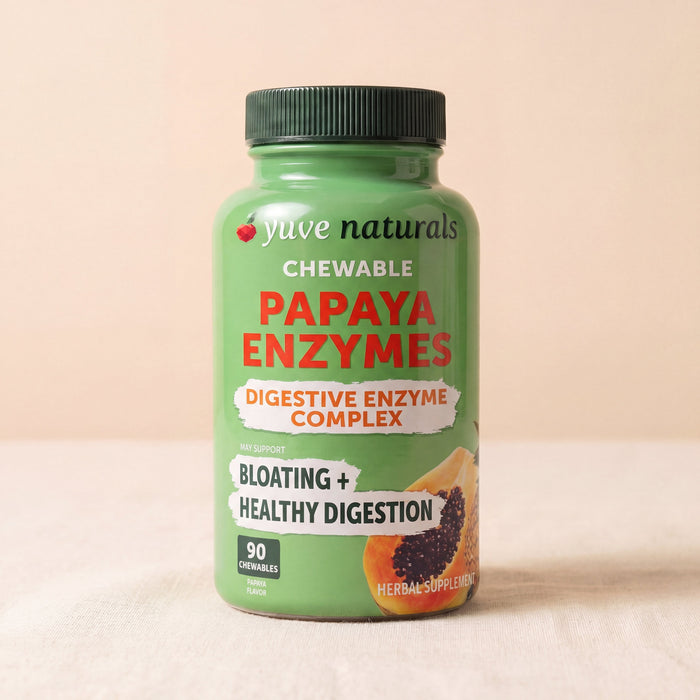
If you're ready for a more supported gut-health routine, explore Yuve. Their plant-based formulas are built for people who want digestive support that fits real life, whether you're working through food triggers, building a gentler daily routine, or trying to feel more comfortable after meals.