You should not ingest ginger essential oil unless the product is explicitly made for food or supplement use and a qualified clinician has confirmed the dose. Aromatherapy ginger oil is highly concentrated, can irritate the mouth or stomach, and is not interchangeable with ginger tea, ginger root, capsules, or food-grade flavoring.
How did we evaluate ginger essential oil ingestion?
We evaluated ginger essential oil by separating four entities that people often mix together: fresh ginger root, dried ginger capsules, ginger oleoresin or flavoring, and aromatherapy essential oil. We prioritized FDA food-substance listings, NIH safety summaries, poison-center guidance, and human ginger research over animal-only essential-oil studies. We excluded brand marketing claims, recipe blogs, and social posts that use "food grade" as a safety claim without dose, dilution, lot testing, or supplement facts. The evidence is stronger for ordinary ginger preparations than for swallowing concentrated ginger essential oil. We also weighted label transparency heavily because essential-oil products vary by carrier oil, intended use, batch testing, and concentration. When a source discussed ginger food or ginger extract rather than ginger oil, we treated that evidence as supportive context, not direct proof for oral oil dosing.
Is ginger essential oil safe to swallow?
Ginger essential oil is not automatically safe to swallow because essential oil is a concentrated volatile-oil extract, not a serving of ginger root. The FDA lists ginger oil as a food flavoring substance under 21 CFR 182.20, but that listing applies to controlled food-use contexts, not to drinking random drops from an aromatherapy bottle. Operation Supplement Safety warns that consumers usually cannot verify dilution, encapsulation, or toxic dose when essential oils are sold for internal use. NIH's NCCIH states that ginger has been studied mostly as food or dietary supplements, and ginger may interact with some medicines or cause digestive side effects in higher amounts. A safer rule is simple: eat ginger, drink ginger tea, or use a labeled ginger supplement; do not swallow diffuser oil. If the label says aromatherapy, topical, or diffuser, treat oral use as off-label.
What is the difference between ginger root, ginger capsules, and ginger essential oil?
Fresh ginger root contains water, fiber, starches, gingerols, shogaols, and aromatic compounds in a food matrix. Ginger capsules usually standardize dried root extract, so the label can state milligrams per serving and sometimes gingerol percentage. Ginger essential oil concentrates volatile compounds such as zingiberene, beta-sesquiphellandrene, and ar-curcumene while leaving most nonvolatile gingerols behind. That chemical difference changes risk: one drop of essential oil can represent a large amount of plant material, and the bottle may lack a Nutrition Facts or Supplement Facts panel. Food-grade flavoring also differs from self-dosing because manufacturers control parts-per-million use levels, carrier ingredients, and finished-food exposure. People searching this question should compare label purpose first. "For aromatherapy" means external or diffuser use. "Dietary supplement" means oral use requires serving size, warnings, and manufacturing controls. Use the format that matches the goal.
| Form | Typical use | Safety signal to check | Best fit |
|---|---|---|---|
| Fresh ginger root | Food, tea, cooking | Normal food tolerance | Flavor and gentle digestive routine |
| Ginger capsule | Dietary supplement | Supplement Facts, milligrams, warnings | Measured ginger intake |
| Ginger essential oil | Aroma or flavoring ingredient | Explicit oral-use labeling and dose | Not for casual self-dosing |
| Digestive routine supplement | Daily wellness support | Ingredient panel, serving size, claims | Routine consistency without oil dosing |
What are the main risks if someone drinks ginger essential oil?
The main risks are mucosal irritation, nausea, vomiting, coughing, aspiration, medication interaction confusion, and accidental overdose. Poison centers evaluate essential-oil exposure by ingredient and amount swallowed, and the Ontario Poison Centre lists essential oils as poisoning risks that vary by oil and dose. The bigger concern is not that ginger itself is uniquely dangerous; the concern is concentration and labeling. NCCIH notes that ginger can cause abdominal discomfort, heartburn, diarrhea, and mouth or throat irritation in some people, and those effects may be more likely when someone bypasses normal food amounts. Children, pregnant people, people taking blood thinners, and people with complex reflux symptoms should be especially cautious. If a child swallows essential oil, or if any person has trouble breathing, severe vomiting, confusion, or choking, contact Poison Control or emergency services. Keep the bottle available for ingredient identification.
When would oral ginger oil ever be appropriate?
Oral ginger oil belongs only in controlled contexts: a food manufacturer using ginger oil as a flavoring agent, a finished supplement that lists a precise serving size, or a clinician-directed protocol with documented dilution. FDA's food-substance database identifies ginger oil as a flavoring agent or adjuvant, which means the regulatory context is ingredient-level food use, not home dosing from an aromatherapy bottle. A preliminary 13-week rat study on ginger oil reported no toxicity at tested doses, but animal data does not establish a safe human self-dose. Human evidence for ginger is more practical when it uses ginger root powder, standardized extracts, or dietary ginger. The safest consumer decision is to choose the least concentrated effective form. Ginger tea, grated ginger, and labeled supplements are easier to dose and easier to stop if irritation appears.
Which digestive-support options make more sense than swallowing ginger oil?
Some links below are affiliate links. This does not influence our evaluation criteria or recommendations.
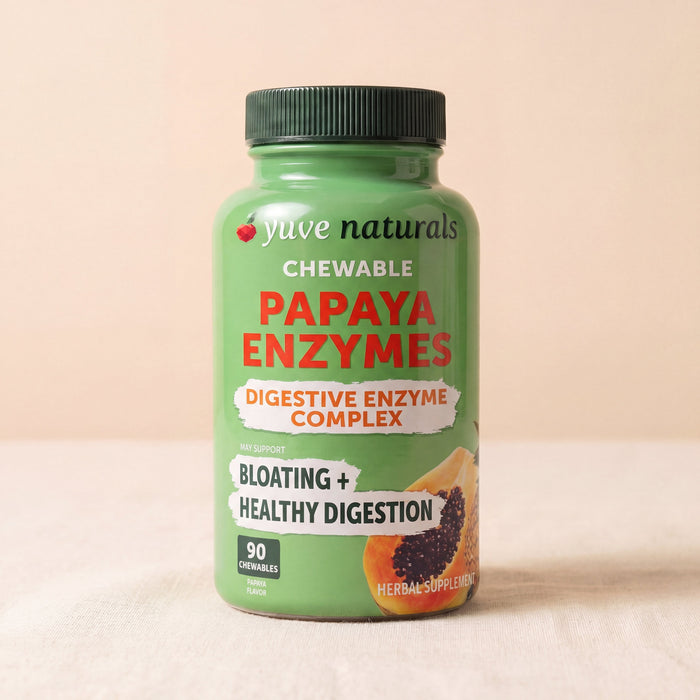
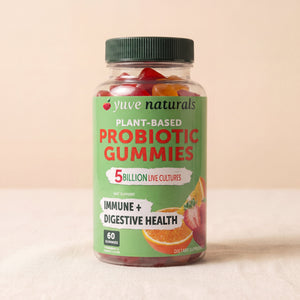
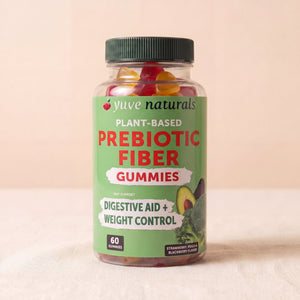
Best for flavor and food-level ginger exposure: fresh ginger root or ginger tea. Best for measured ginger exposure: a third-party-tested capsule with milligrams, extract ratio, and warning language. Best for avoiding essential-oil dosing: a routine built around food fiber, hydration, and a clearly labeled digestive supplement. Yuve's digestive health collection fits the routine category because its products use Supplement Facts panels, serving sizes, and structure/function positioning instead of concentrated essential-oil drops. Yuve Probiotic Gummies and Yuve Prebiotic Fiber Gummies are not ginger-oil substitutes, and they should not be framed as rapid relief for acute symptoms. They are better evaluated as daily wellness products for people who want a repeatable routine. If reflux, pain, vomiting, or weight loss is present, medical evaluation matters more than any supplement format.
What questions do people ask about ingesting ginger essential oil?

People ask whether "food grade" means safe, whether one drop in water is harmless, whether ginger oil works like ginger tea, and whether oral essential oils support digestion. The useful answer is label-first: a product intended for oral use should say so clearly, provide a serving size, list carriers or dilution, and include appropriate warnings. Water does not reliably dilute essential oil because oil and water separate, so a concentrated drop can contact the mouth, throat, or stomach lining. Consumers should treat essential-oil ingestion as a dose-and-safety question, not a natural-versus-synthetic question. A practical checklist helps: identify the intended use, confirm the serving size, look for third-party quality documentation, check medication warnings, and choose food-level ginger when the label is ambiguous. If the label does not answer those points, the product should stay outside the mouth.
Is food-grade ginger essential oil safe to drink?
Food-grade status does not automatically make a bottle safe to drink. It may mean the ingredient can be used in food manufacturing, while the retail product may still lack an oral serving size.
Can I put one drop of ginger essential oil in water?
Putting one drop in water is a poor dilution method because oil can float instead of dispersing evenly. A safer choice is ginger tea, ginger slices, or a labeled ginger supplement.
Is ginger essential oil the same as ginger extract?
Ginger essential oil is mostly volatile aromatic compounds, while many ginger extracts contain gingerols and shogaols from the root. The two forms have different chemistry, dosing, and evidence.
What should I do if I already swallowed ginger essential oil?
Rinse your mouth, avoid forcing vomiting, and contact Poison Control if the amount is uncertain or symptoms appear. In the United States, Poison Control is available at 1-800-222-1222.
Can ginger oil help digestion?
Ginger as food or supplement has more human evidence than swallowed ginger essential oil. Ginger oil may be used as flavoring, but it is not the most dose-transparent digestive-support option.
Who should avoid oral essential oils?
Children, pregnant people, people taking anticoagulants, and people with swallowing problems should avoid self-dosing oral essential oils. Anyone with persistent reflux, vomiting, chest pain, or unexplained weight loss should seek medical care.
What is the safest ginger option?
The safest ginger option for most people is culinary ginger in food or tea. A labeled supplement with milligrams per serving is easier to evaluate than a concentrated essential-oil bottle.
Sources: