The easiest way to remember to take supplements is to attach them to a routine you already repeat, such as breakfast, coffee, brushing your teeth, or packing lunch. Use one visible cue, one phone reminder, and one backup plan for travel. Keep the stack simple so the habit feels repeatable, not fragile.
TL;DR: Key takeaways
- Pair supplements with an existing daily action.
- Choose one default time instead of deciding every day.
- Keep safe, visible cues where you actually take them.
- Use reminders for backup, not as the whole system.
- Simplify your supplement stack before adding more.
How did we evaluate supplement reminder systems?
We evaluated supplement reminder systems by prioritizing habit research, practical safety, label literacy, and real-life friction. Human behavior research on habit formation and implementation intentions received more weight than generic productivity advice, including studies indexed by PubMed on habit formation and implementation intentions. We excluded guilt-based tactics, overly complex tracking systems, and advice that assumes every supplement belongs at the same time of day. We also checked timing recommendations against supplement-label logic and FDA guidance that dietary supplements are regulated differently from drugs, according to the FDA dietary supplements overview. This guide is practical, not medical advice. A supplement schedule should support consistency, fit the product label, and leave room for clinician guidance when pregnancy, medications, surgery, or diagnosed conditions are involved.
What does it mean to build a supplement habit?
A supplement habit is a repeatable cue, action, and reward loop that makes taking a supplement feel automatic. The cue can be breakfast, a coffee mug, a toothbrush, a pill organizer, or a phone alarm. The action is the supplement dose listed on the product label. The reward can be checking a tracker, closing the cabinet, or simply keeping the routine intact. Research on habit formation found that repetition in a stable context helps behaviors become more automatic over time, although the exact timeline varies by person and behavior. For supplement routines, the stable context matters more than motivation. A bottle hidden in a pantry asks your memory to do all the work. A supplement placed near a safe daily cue gives your environment part of the job. For a broader setup, Yuve’s guide to building a supplement routine you can actually keep is the natural hub.

How does a supplement reminder system work?
A good supplement reminder system uses three layers: an anchor, a cue, and a backup. The anchor is the existing behavior, such as eating breakfast or brushing teeth. The cue is the visible or digital prompt, such as a bottle beside a mug, a weekly organizer, or a phone notification. The backup is the travel pouch, work-desk container, or calendar reminder that catches disrupted days. Implementation intention research describes this as an “if-then” plan, such as “If I finish breakfast, then I take my probiotic.” That structure removes daily negotiation. The system works best when the supplement count stays small, the timing stays predictable, and the storage location stays realistic. Safety still matters. Supplements should stay away from children, pets, heat, humidity, and direct sunlight unless the label gives different instructions. The best reminder is the one you can repeat without redesigning your morning.
What are the practical benefits of a consistent supplement routine?
A consistent supplement routine supports follow-through, label accuracy, and easier self-monitoring. Consistency helps you know whether you actually used a product as directed, which matters before judging whether a supplement fits your lifestyle. A routine also reduces duplicate doses because the same cue tells you when the day’s serving is complete. For nutrients with established dietary roles, timing consistency can support regular intake. For example, the NIH Office of Dietary Supplements explains that folate supports normal cell growth and DNA formation, and probiotic products are defined by live microorganisms that are intended to be consumed in adequate amounts, according to the NIH probiotic fact sheet. The benefit is not perfection. The benefit is a cleaner feedback loop. If you miss a day, return to the next planned cue instead of turning the routine into an all-or-nothing project.
How should you choose when to take supplements?
Choose when to take supplements by starting with the label, then matching the product to a meal, routine, or storage reality. Some supplements are designed for use with food. Some are easier to remember in the morning because breakfast, coffee, and brushing teeth already happen together. Others fit lunch, dinner, or bedtime better because the label or your clinician’s advice points there. Do not assume one timing rule applies to every capsule, gummy, chewable, powder, or tablet. Use this checklist before choosing a default time:
- Read the supplement facts panel and directions.
- Check whether the label says “with food” or gives a serving window.
- Separate products if a clinician told you to space them from medication.
- Pick one daily anchor you already repeat.
- Store the product safely near the action, not randomly nearby.
- Use a weekly organizer only if the label and packaging allow it.
- Recheck the plan when your routine changes.
What should you watch out for when setting supplement reminders?
The biggest watch-out is building a reminder system that is convenient but unsafe. A visible bottle can help memory, but supplements should not sit where children, pets, moisture, heat, or direct sunlight can reach them. A bathroom counter is memorable, yet humidity can be a poor match for many gummies, capsules, and chewables. A car console is convenient for commuting, yet heat can affect product quality. Another watch-out is reminder overload. Five alarms can become background noise, while one well-timed alarm can still be useful. People taking medication, preparing for surgery, pregnant people, and people managing diagnosed health conditions should ask a qualified professional about timing and interactions. FDA guidance notes that dietary supplements are not evaluated like drugs before reaching the market, so label reading and professional input matter. A practical routine should feel boring, safe, and easy to repeat.
Which supplement reminder method fits your routine best?
The best supplement reminder method depends on where your day is most stable. Visual cues work well for people with predictable mornings. Phone alarms work better for shifting schedules, caregivers, students, and frequent travelers. Habit stacking works best when one daily behavior already happens without effort. A weekly organizer works for people who want a quick “did I take it?” check, but it may not suit every product format or storage requirement. Travel backups help when weekends, flights, hotels, or office days disrupt the usual cue.
| Reminder method | Best fit | Tradeoff | Example |
|---|---|---|---|
| Habit stacking | Stable daily routines | Breaks when the anchor changes | Take supplements after breakfast |
| Visible cue | Visual thinkers | Must still be stored safely | Place bottle near coffee supplies |
| Phone reminder | Variable schedules | Easy to dismiss | Set one daily alarm after lunch |
| Weekly organizer | Tracking completed servings | Not ideal for every format | Use a labeled organizer in a dry cabinet |
| Travel backup | Frequent schedule changes | Needs regular refilling | Pack a small labeled pouch |
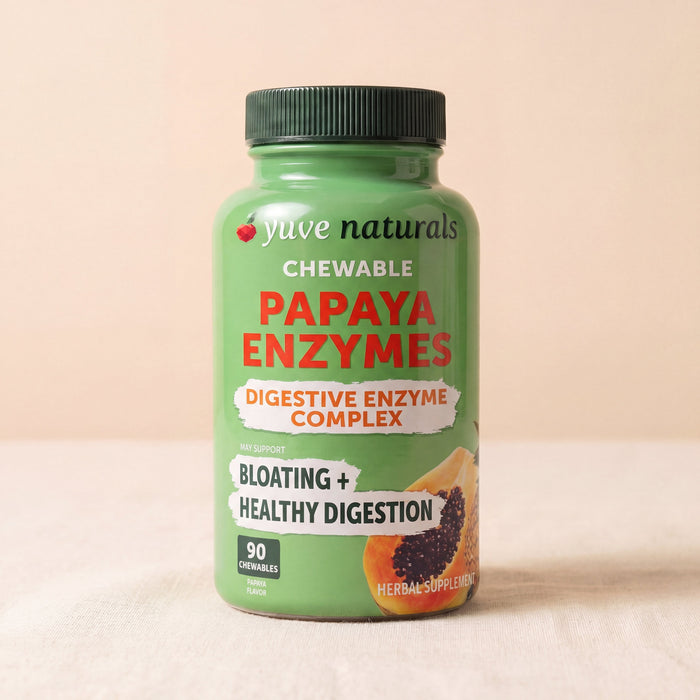
For plant-based digestive support routines, gummies or chewables can be easier to pair with an existing cue than powders that need mixing. Options such as Yuve Vegan Probiotic Gummies, Vegan Prebiotic Fiber Gummies, or DGL Licorice Chewables can fit a simple routine when their labels match your needs.
FAQ
What is the best time to take supplements?
The best time to take supplements is the time that matches the product label and a routine you already keep. Breakfast works for many people because it is predictable. Some products may be directed for use with food, while others may have different instructions. When medication or medical guidance is involved, ask a qualified professional about timing.
Should I take supplements with food?
Many supplements are easier to fit into a meal-based routine, and some labels specifically direct use with food. Read the serving directions before deciding. Food can also create a stronger memory cue because breakfast, lunch, or dinner already has a built-in location and sequence.
How do I remember supplements when I travel?
Use a small labeled travel pouch, a phone reminder set to your destination time zone, and a backup cue such as brushing your teeth. Pack only what you need for the trip when the label and storage requirements allow it. Keep supplements away from heat, moisture, children, and pets.
Is it okay if I miss a day?
Missing a day does not mean the routine failed. Return to the next normal serving time unless the product label or a clinician gives different instructions. Avoid doubling up just to “catch up” unless a qualified professional specifically told you to do that.
How many supplement reminders should I use?
Use the fewest reminders that reliably work. One physical cue and one digital backup are usually more sustainable than several alarms. If you ignore the reminder repeatedly, change the anchor instead of adding more noise. The goal is a smoother routine, not a more complicated one.
How can I make gummies or chewables easier to remember?
Pair gummies or chewables with a repeated routine, such as finishing breakfast or packing your work bag. Keep the container in a safe, dry, visible-adjacent spot where you take them, not necessarily on the counter. A simple tracker can help if you use more than one daily product.
What is the simplest next step?
Pick one supplement, one anchor, and one backup reminder for the next seven days. Put the product where it is safe and close to the action, then follow the label at the same cue each day. If your stack feels too complicated, simplify before adding another product to the routine.