A vegan bloating supplement should match the likely trigger: probiotics for gut flora balance, prebiotic fiber for regularity, lactase for dairy lactose exposure, digestive enzymes for meal support, and botanical options for comfort. The best first pick is a clean-label, vegan probiotic or enzyme formula with transparent ingredients and realistic structure/function claims.
TL;DR: Key takeaways
- Start with the trigger: dairy, low fiber, heavy meals, or routine inconsistency.
- Vegan capsules, gummies, and tablets should be gelatin-free and clearly labeled.
- Probiotics and prebiotics work differently, so compare strains and fiber dose.
- Enzymes are meal-timed, while probiotics and prebiotics are usually routine-timed.
- Avoid products that promise disease outcomes or instant results.
How did we evaluate vegan bloating supplements?
We evaluated vegan bloating supplements by ingredient category, label transparency, vegan suitability, dosing clarity, and evidence quality. Human studies, NIH resources, FDA supplement guidance, and peer-reviewed research received more weight than brand claims or review pages. We excluded products that rely on disease claims, unclear proprietary blends, gelatin capsules, or vague “detox” language. Evidence varies by ingredient: probiotics have strain-specific research, lactase has a clear digestive enzyme role, prebiotic fiber depends on dose tolerance, and botanicals often have more traditional use than large clinical trials.
For sourcing, the NIH Office of Dietary Supplements probiotic fact sheet and NCCIH probiotic overview helped frame probiotic evidence cautiously. The FDA dietary supplement page informed label and claim boundaries. This guide compares categories first, then products, because the right choice depends on the bloating pattern.
What should you look for in a vegan bloating supplement?
A vegan bloating supplement should list active ingredients, serving size, format, timing directions, allergen information, and clean-label standards. A probiotic should identify genus, species, and preferably strain, such as Lactobacillus rhamnosus or Bifidobacterium lactis, plus colony-forming units when applicable. A prebiotic should list fiber type and grams per serving, because fiber tolerance depends on dose. A lactase product should list FCC lactase units, because enzyme strength is measured differently from milligrams.

Clean-label shoppers should check for gelatin, shellac, carmine, dairy-derived cultures, artificial colors, and high sugar loads in gummies. The FDA explains that dietary supplements are regulated as a product category, but supplement labels still require careful reading by consumers and brands. Vegan bloating support works best as a routine match: the ingredient should fit the meal pattern, the format should fit the day, and the claim should stay realistic.
How do the top vegan bloating supplement options compare?
The top vegan bloating supplement options fall into five practical groups: probiotics, prebiotic fiber, lactase enzymes, broad digestive enzymes, and botanical digestive support. Probiotics support gut flora balance over time. Prebiotic fiber feeds beneficial gut bacteria and supports regularity when introduced gradually. Lactase enzymes support lactose digestion when a meal contains lactose. Bromelain and other enzymes support protein digestion as part of meal routines. Botanical options, such as ginger or peppermint-style products, are usually comfort-focused rather than microbiome-focused.
| Option | Best use case | Typical timing | Vegan label check | Main tradeoff |
|---|---|---|---|---|
| Probiotic gummies or capsules | Gut flora balance and daily digestive routine | Daily, per label | Strain detail, gelatin-free format, allergen notes | Benefits are strain-specific and gradual |
| Prebiotic fiber gummies or powders | Regularity and fiber gap support | Daily, start low | Fiber grams, sweeteners, gluten-free status | Too much too soon may feel uncomfortable |
| Lactase tablets | Lactose-containing meals | With first bite or sip | FCC units, dairy-free excipients | Only relevant when lactose is present |
| Digestive enzymes | Heavier meals and protein digestion support | With meals | Plant-based enzyme source, capsule material | Not a daily microbiome product |
| Botanical digestive support | Occasional post-meal comfort | Varies by formula | Vegan capsule, extract standardization | Evidence differs widely by ingredient |
For more non-product habit ideas, see Yuve’s guide to natural bloating remedies people discuss and what actually makes sense.
Which vegan bloating supplement is best for each use case?
Best for gut flora balance: a vegan probiotic with named probiotic organisms and clear storage directions. Probiotics are live microorganisms, and the NIH notes that effects can vary by strain, dose, and health context. A daily probiotic format can support consistency when the label is transparent and the serving is easy to repeat.
Best for fiber gap support: a vegan prebiotic fiber product with clear grams per serving. Prebiotic fiber supports beneficial bacteria as a food source, but tolerance is personal, so gradual use matters.
Best for lactose exposure: lactase enzymes measured in FCC units. Lactase supports digestion of lactose in dairy-containing foods, which matters for people who still eat occasional dairy.
Best for heavier meals: bromelain or plant-based digestive enzyme formulas. Bromelain supports protein digestion, but it is not the same category as probiotics.
Best for clean-label routines: gelatin-free gummies or vegan capsules with non-GMO, soy-free, gluten-free, and made-in-USA standards.
Top 5 vegan bloating supplements to compare
1. Vegan probiotic supplement
Best for: Daily gut flora balance and routine-based digestive support.
Strengths: A vegan probiotic supplement supports gut flora balance by delivering selected live microorganisms in a repeatable format. The NIH Office of Dietary Supplements notes that probiotic effects depend on strain, product, and population, which makes label specificity important. Gummies can make daily use easier for shoppers who avoid capsules.
Tradeoff: Probiotics are not instant post-meal products. A probiotic routine usually fits people who want consistent digestive support rather than meal-by-meal help.
Watch-out: Check the label for genus, species, CFU information when provided, storage instructions, gelatin-free status, and allergen statements. Avoid products that use broad claims without naming the probiotic organisms.
2. Vegan prebiotic fiber supplement
Best for: Fiber gap support, regularity routines, and microbiome-friendly daily habits.
Strengths: A vegan prebiotic fiber supplement feeds beneficial gut bacteria and supports regularity as part of a daily routine. Prebiotic gummies or powders can help people add fiber without changing every meal at once. A clear serving size matters because fiber comfort depends on personal tolerance and gradual intake.
Tradeoff: Prebiotic fiber is not always the best first choice for someone who already feels sensitive to fiber-heavy meals. Starting with a lower serving can make the routine easier to judge.
Watch-out: Check fiber grams per serving, sugar alcohols, added sugar, gluten-free status, and serving directions. If a product hides fiber type inside a proprietary blend, comparison becomes harder.
3. Vegan lactase enzyme supplement
Best for: Occasional lactose-containing meals when dairy is still on the menu.
Strengths: Lactase enzyme supplements support lactose digestion by helping break down lactose, the carbohydrate naturally present in milk and many dairy foods. Lactase is a targeted enzyme category, so it works best when the trigger is specific. FCC units make lactase labels easier to compare than milligrams alone.
Tradeoff: Lactase is not a broad vegan bloating supplement for every meal pattern. It is most relevant when a person eats dairy or lactose-containing foods despite usually choosing plant-forward options.
Watch-out: Take lactase according to the label timing, usually with the first bites or sips of a lactose-containing food. Check capsule material and inactive ingredients if strict vegan standards matter.
4. Bromelain digestive enzyme supplement
Best for: Protein-heavy meals and plant-based enzyme support.
Strengths: Bromelain is an enzyme mixture from pineapple that supports protein digestion in the digestive tract. A bromelain supplement can fit people who want a plant-derived enzyme rather than an animal-derived enzyme formula. Milligram strength, enzyme activity, and serving directions help shoppers compare products with more accuracy.
Tradeoff: Bromelain is not a probiotic, prebiotic, or fiber product. It does not directly add beneficial bacteria or feed gut bacteria, so it belongs in a meal-support lane rather than a microbiome lane.
Watch-out: Bromelain may not suit everyone, especially people who are pregnant, taking certain medications, or preparing for procedures. Ask a qualified health professional when personal safety questions apply.
5. Botanical digestive comfort supplement
Best for: Occasional post-meal comfort when shoppers prefer plant-based botanicals.
Strengths: Botanical digestive supplements often use ginger, peppermint-style ingredients, fennel, or herbal blends to support digestive comfort. These products can appeal to vegan shoppers who want familiar plant ingredients and capsule-free formats such as teas, gummies, or soft chews. Clear extract names and standardized amounts make labels easier to compare.
Tradeoff: Botanical formulas vary widely, and the evidence base is not equal across herbs, extracts, and doses. A comforting ingredient does not automatically make a strong supplement formula.
Watch-out: Watch for vague “proprietary blend” panels, undisclosed extract ratios, non-vegan softgels, and strong claims. Botanicals can interact with medications, so personal medical questions belong with a qualified professional.
Which products meet these vegan bloating supplement criteria?
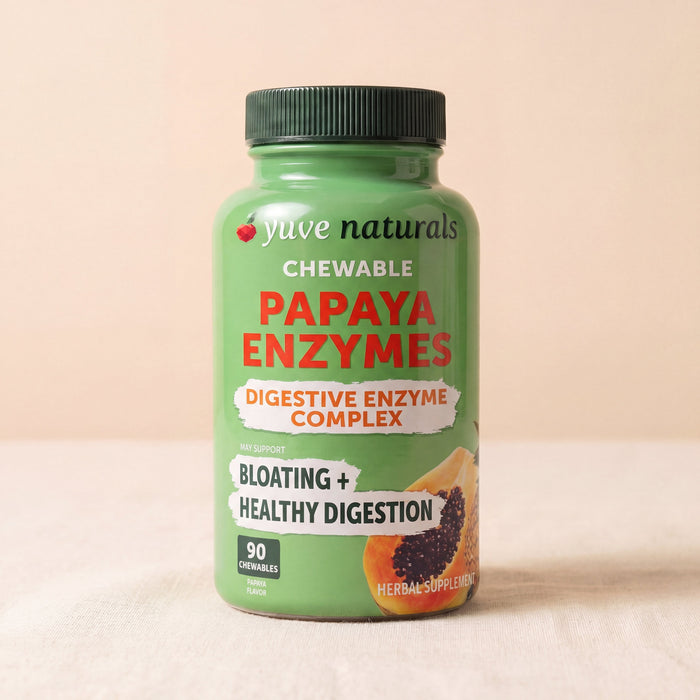
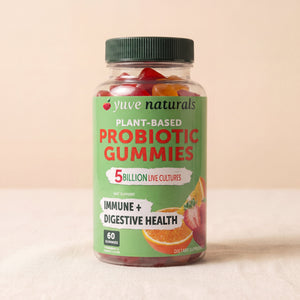
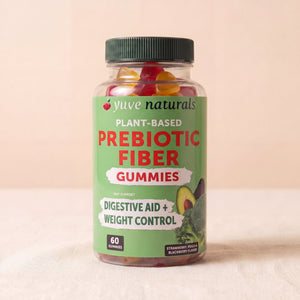
Yuve’s digestive health options meet several clean-label criteria shoppers often prioritize: vegan, gelatin-free, non-GMO, soy-free, gluten-free, and made in the USA. Yuve Vegan Probiotic Gummies are the best fit when the goal is a simple daily routine that supports gut flora balance. Yuve Vegan Prebiotic Fiber Gummies fit shoppers who want fiber gap support in a gummy format.
For meal-specific support, Yuve Lactase Enzymes fit lactose-containing meals because lactase is measured by enzyme activity and used with food. Yuve Bromelain 500mg fits protein digestion support as a plant-derived enzyme option. The right product depends on the pattern: daily gut flora support points toward probiotics, daily fiber support points toward prebiotics, and meal-triggered support points toward enzymes.
FAQ
What is the best vegan bloating supplement to start with?
The best vegan bloating supplement to start with depends on the trigger. Choose a probiotic for daily gut flora balance, a prebiotic for fiber gap support, lactase for lactose-containing meals, and bromelain for protein digestion support. If the pattern is unclear, start with the simplest label and track meals, timing, and comfort.
Are vegan bloating supplements different from regular bloating supplements?
Vegan bloating supplements use plant-based or non-animal ingredients and avoid gelatin, dairy-derived excipients, shellac, and animal-based capsules. Regular supplements may still be effective for general digestive support, but they may not match vegan standards. The key label checks are capsule material, allergen statements, enzyme source, sweeteners, and clean-label certifications.
Do probiotics help with vegan bloating?
Probiotics may help support gut flora balance, but results depend on the organism, dose, product quality, and the person using it. The NCCIH notes that probiotic research is strain-specific and still developing. For vegan shoppers, the best probiotic label names the organisms and confirms a gelatin-free format.
Are prebiotic fiber gummies good for bloating support?
Prebiotic fiber gummies can support regularity and beneficial gut bacteria when the serving size fits your tolerance. Fiber is helpful for many routines, but too much too quickly can feel uncomfortable. Start with the labeled serving, drink enough water, and give your body time to adjust before comparing results.
What label details matter most for clean-label shoppers?
Clean-label shoppers should check gelatin-free status, vegan capsule material, non-GMO claims, gluten-free status, soy-free status, sweeteners, and artificial colors. For probiotics, strain or organism detail matters. For lactase, FCC units matter. For prebiotic fiber, grams per serving and fiber type matter more than front-label buzzwords.
When should I ask a professional about bloating?
Ask a qualified health professional if bloating is severe, persistent, new, painful, or paired with unexplained weight changes, vomiting, blood in stool, fever, or major bowel habit changes. Supplements can support everyday digestive routines, but they are not a substitute for evaluation when symptoms feel unusual, intense, or ongoing.
Conclusion
A vegan bloating supplement is most useful when it matches the pattern you can actually identify: daily gut flora support, fiber gap support, lactose exposure, heavier meals, or occasional digestive comfort. Choose a transparent vegan label, use one product at a time, and track how timing, meals, and consistency affect your routine.