Ever feel like your stomach turns into a balloon by mid-afternoon, right after you've added the “healthy” fiber powder you thought would help? You're not alone. Prebiotic powder can support your gut microbiome, but taking too much too quickly may bring along unwelcome gas, bloating, or loose stools.
The good news is that how to take prebiotic powder doesn't need to be a guessing game. The most comfortable approach usually combines a small starting dose, gradual increases, thoughtful timing, and a routine you can maintain. We'll walk through the practical details, including what to do when your gut says, “Absolutely not today.”
Why Prebiotic Powder Feels Tricky at First
Prebiotic powder isn't meant to nourish you directly in the same way a protein shake does. It supplies fermentable fiber that beneficial bacteria in your gut can use as fuel. As those microbes ferment the fiber, they produce compounds associated with helpful changes in the gut environment.
That fermentation is also why your belly may object at first. Your microbiome needs time to adjust to a new supply of fermentable material. If you suddenly take a large scoop, the bacteria may ferment more fiber than your digestive system is ready to handle, and dun, dun, dun, unwelcome gas appears.
The central rule: Start low, go slowly, and let your gut earn its way upward.
Many product labels make this harder than it needs to be. One scoop may contain a modest amount, while another serving may be substantially larger. Some labels say to mix the powder into a beverage, but don't explain whether breakfast, bedtime, or an empty stomach is the better choice. That lack of detail can leave you wondering whether discomfort means the product is wrong for you or whether the dose moved too fast.
A practical guide to the benefits and side effects of chicory fiber can also help you understand why chicory-derived fibers, including inulin, may feel more active in the digestive tract. The important distinction is that fermentability and tolerance vary, so your ideal routine may not match someone else's.
I've heard versions of this frustration from people who are already doing many things right. They're eating more plants, drinking water, and trying to support gut health, yet a rushed supplement routine makes them feel worse. Yuve's founder journey grew from similar digestive challenges, which is why a gentler, more realistic approach matters. The point isn't to force your body to tolerate a full serving immediately. It's to build a pattern that feels calm enough to continue.
By the end of this guide, you'll have a simple system for measuring, mixing, timing, and adjusting prebiotic powder. You'll also know when mild gas is part of the adjustment process and when persistent discomfort deserves a conversation with a healthcare professional.
How Much to Take and How to Build Up Safely
Dose is the part to adjust most carefully. Start with 2 to 3 grams per day, even if the label lists a larger serving. Hold that amount for several days, then increase by 1 to 2 grams every few days only when your digestion feels settled. A slower option is to raise the dose by roughly 25% to 50% every 3 to 7 days. These gradual methods appear in clinical guidance for fermentable prebiotic fibers from the Global Prebiotic Association.

A gentle dosing ladder
Use this ladder as a guide, not a deadline:
- Begin with 2 to 3 grams daily. Keep the amount steady for several days. Track gas, bloating, stool consistency, and overall comfort.
- Increase only when symptoms remain mild. Add 1 to 2 grams, rather than moving straight to the label's maximum serving. If you are sensitive, use the smaller increase.
- Build toward 5 to 10 grams daily. This is a common effective range for general prebiotic use, including fibers such as inulin-type fructans or galacto-oligosaccharides. For a clinically meaningful bowel or bifidogenic effect, review-level evidence supports starting with at least 5 to 8 grams daily for at least 3 to 4 weeks, as summarized in this clinical review of prebiotic fiber evidence.
- Stop at the last comfortable dose. More bloating means your gut needs more time, not more pressure. Return to the previous amount or hold your current dose longer until symptoms settle.
- Reserve higher amounts for specific goals. Research involving metabolic outcomes or active mild-to-moderate ulcerative colitis often uses 12 to 15 grams daily for 8 weeks or longer. These amounts are not a general target. If you have a diagnosed condition, ask a qualified clinician to guide the dose.
A serving may contain only 1.5 to 5 grams, so one scoop may not match the amount used in a human trial. Read the label for the actual grams of fiber or prebiotic ingredient, and measure the same way each time. If the daily amount becomes uncomfortable, split it between meals instead of taking it all at once.
For example, with an inulin powder, hold a small starting dose through the first several days. If your abdomen stays calm, add a measured increment, then pause again before increasing. Someone may settle comfortably at 5 grams, while another person may need less. Tolerance is useful information, not a test you pass or fail.
For ingredient differences and practical serving guidance, see Yuve's prebiotic inulin powder guide. If you take medication that affects bowel function or are pregnant, ask a healthcare professional how to adapt this plan.
Simple Ways to Mix and Take Prebiotic Powder Daily
A prebiotic routine works best when it fits naturally into a meal you already prepare. Stir your measured powder into 200 to 250 mL of water or another drink, mix until evenly dispersed, and drink it promptly. If some powder settles, add a little more liquid to the glass, swirl, and finish it. The volume matters less than creating a drink you can prepare consistently.

Plain water is simple, though taste and texture can make a routine difficult to maintain. Use a familiar food or drink instead:
- Breakfast smoothie: Blend the measured dose with fruit, plant-based milk, or yogurt. A level spoon is more reliable than a heaped one.
- Oatmeal: Stir the powder into warm oats after cooking, when it can spread through the bowl without clumping.
- Yogurt: Mix it into a serving of yogurt and eat it with breakfast or a snack.
- Tea or coffee: Coffee is acidic and can stimulate the gut. If it causes cramping, mix the powder with water instead and keep coffee separate.
- Juice or flavored water: Choose a drink that helps you remember the routine without making preparation complicated.
Sensitive digestion calls for a smaller first portion. You can mix part of the planned daily amount into breakfast, then take the remaining portion with a later meal if your abdomen stays comfortable. Splitting the powder gives your gut a gentler workload. The best routine is the one you can repeat without dread.
For example, prepare powder in oatmeal before work, keep a pre-measured portion for lunch, or store it beside your breakfast bowl as a daily cue. While traveling, keep the powder sealed and use the same measuring tool. If you miss a day, resume your usual amount rather than taking extra to compensate.
The video below offers another visual explanation of practical supplement use and mixing:
Keep the process pleasantly ordinary. The same place, drink, and approximate time can turn powder into a habit instead of another decision. If gas or cramping appears, adjust the portion or pairing rather than abandoning the routine.
Best Timing for Comfort and Consistency
There isn't one universal answer to the question of whether prebiotic powder belongs with food or on an empty stomach. Both approaches appear in practical guidance, and your digestive tolerance should help decide which one makes sense.
Taking powder with breakfast or your first main meal can feel gentler because food slows the digestive process. That meal-adjacent approach may be especially useful if you're prone to bloating, cramping, or a sudden change in bowel movements. A general timing guide also recommends taking many fiber powders with or before meals, often at breakfast or the first main meal as described by iLiveActive.
An empty-stomach routine is another option. One dosing guide recommends 5 grams daily, taken at least 30 minutes before meals, with the aim of separating the powder from food. That timing may appeal to someone who remembers supplements before eating and finds it comfortable as outlined in this prebiotic fiber protocol.
Choose based on your response
| If this sounds like you | Try this first |
|---|---|
| You often feel gassy after fiber | Take the powder with a meal |
| You prefer a structured morning routine | Take it before breakfast if comfortable |
| You're using a larger daily amount | Divide it between meals |
| You forget supplements easily | Attach it to the first meal you reliably eat |
| Your stomach reacts unpredictably | Start with a small amount alongside food |
The timing choice matters less than consistency and tolerance. If taking it before breakfast feels fine, there's no reason to change it because someone else prefers a meal. If an empty-stomach dose causes discomfort, move it closer to food rather than abandoning the routine altogether.
Dividing a daily amount across meals can make higher intake easier. For instance, rather than taking the full amount in one glass, you might use one portion with breakfast and another with dinner. Guidance on arabinogalactan also describes spreading larger amounts across meals to reduce digestive symptoms in this dosing overview.

A useful decision rule: If comfort is your priority, pair the powder with food. If routine is your biggest challenge, choose the time you'll remember and keep it steady.
People who want to understand the broader timeline can read how long prebiotics take to work. Don't judge the routine after one serving. Your digestive system may need repeated, steady exposure before you can tell whether the powder supports your particular goal.
Troubleshooting Bloating Gas and Other Discomfort
Mild gas after starting prebiotic powder often reflects fermentation rather than harm, especially with highly fermentable fibers such as inulin-type fructans. A 2022 meta-analysis found that fiber caused more flatulence than the control, with much of the additional gas linked to inulin-type fructans in this systematic analysis.
Severe pain and ongoing symptoms deserve attention. For mild discomfort, begin by adjusting the dose and timing so your gut has a manageable workload.

Your rescue plan
- Return to the last comfortable dose. If symptoms appeared after an increase, step back to the amount you tolerated and hold it there longer.
- Split the amount into two servings. Taking each portion with a meal gives your digestive system smaller amounts to process at a time.
- Use a slower ramp. Some protocols begin with a half-dose during the first week and increase gradually. The same analysis summarizes trials that used 6 grams twice daily for 21 days or 7.5 grams daily for 2 weeks before increasing to 15 grams daily. These study designs illustrate gradual tolerance-building, not personal prescriptions.
- Keep fluids steady. Mix each serving properly, drink enough throughout the day, and never double the next serving after missing one.
- Review the rest of your day. Coffee, large meals, sugar alcohols, and other fermentable foods can add to bloating. This explanation of how coffee causes bloating offers context for beverage-related discomfort.
Use this quick self-check:
- Mild gas: Hold the current dose and allow more time for adjustment.
- Increasing bloating: Reduce the dose, divide it, and take the portions with meals.
- Loose stools: Step back and review recent changes in food, drinks, or supplements.
- Severe, persistent, or worrying symptoms: Pause the powder and seek professional medical advice.
For a plain-language explanation of fermentation, read whether prebiotics cause gas. If symptoms continue after you reduce the dose, stop experimenting indefinitely. A clinician can assess possible food intolerance, IBS, constipation, or another digestive concern.
Your Personalized Routine Storage and Next Steps
Your ideal routine should fit both your goal and your tolerance. For general wellness, a modest amount you can take consistently may be enough. Constipation support or a clinician-guided gut-health plan may call for a higher target. Human evidence commonly supports 5 to 8 grams daily for 3 to 4 weeks or longer for consistent bowel or bifidogenic benefits, so allow the routine time to show whether it helps, as noted in the clinical review earlier in this guide.
Store the powder according to the product label. Close the container firmly and keep it in a cool, dry place away from moisture. A dry measuring spoon and one reliable storage spot help prevent clumping and make each serving easier to repeat.
Build the powder into a food-first pattern that includes plant foods and fermented foods you tolerate. Some people combine prebiotics with probiotics, but your labels, health conditions, medications, and personal response all matter. If you manage a digestive diagnosis, ask a healthcare professional before adding or combining supplements.
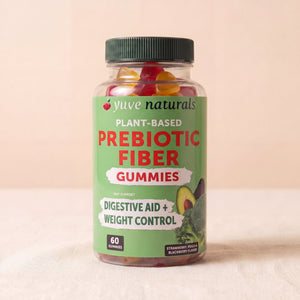
Yuve also offers vegan prebiotic fiber gummies for days when powder does not suit your routine. Each gummy provides 3 grams of fiber. Count that amount within your overall daily fiber intake rather than treating it as separate.
Your quick-start checklist
- Measure accurately: Begin with 2 to 3 grams instead of estimating with a large scoop.
- Increase patiently: Add 1 to 2 grams every few days only while symptoms stay mild.
- Choose your timing: Take it with or near a meal if your stomach is sensitive.
- Split higher amounts: Divide servings across meals instead of taking the full amount at once.
- Track your response: Record gas, bloating, stool changes, and overall comfort.
- Don't chase a number: Your effective dose is the highest amount you tolerate comfortably.
- Ask for help when needed: Persistent or severe symptoms warrant professional attention.
The founder story behind Yuve is a reminder that small wins count. A routine you can manage today is more useful than an ambitious serving you abandon tomorrow. Give your gut room to adapt, and adjust with curiosity rather than frustration.
Yuve offers plant-based gut-health supplements, including vegan prebiotic fiber gummies that provide a measured way to support daily fiber intake when powder is inconvenient. Visit Yuve to explore the options and choose a routine that fits your digestion.