You finish dinner, loosen your waistband, and wonder why a normal meal has left you feeling like a human balloon. Then you search for bloating relief and find shelves of probiotics, prebiotics, enzymes, gummies, powders, and herbal blends, all promising to “support” your gut in slightly different ways.
Gut health supplements can be useful, but they aren't interchangeable and they aren't magic. This guide separates the major categories, matches ingredients to real symptom patterns, explains where the evidence is mixed, and gives you a practical checklist for choosing a clean, vegan product without paying for vague promises.
Why Your Gut Deserves More Attention
A difficult digestive day can take over everything. You may feel uncomfortably full after eating, deal with unwelcome gas, rush to the bathroom, or spend the afternoon worrying about where the nearest restroom is. Bloating, irregular stools, and abdominal discomfort can also affect your concentration, sleep, and willingness to enjoy meals with other people.
That frustration helps explain why gut health supplements have moved from a niche wellness shelf into a major global category. The global gut health supplements market was estimated at USD 19.98 billion in 2025 and is projected to reach USD 36.57 billion by 2033, with a projected 7.8% CAGR from 2026 to 2033, according to Grand View Research's probiotics market analysis. Probiotics represented 49.40% of the market in 2025, while Asia Pacific held the largest regional share at 37.76%.

Your gut is more than a food-processing tube
Your digestive system breaks food down, absorbs nutrients, moves waste, and houses a complex microbial community. It also interacts with immune activity, metabolism, and the gut-brain connection. That doesn't mean every episode of brain fog, skin irritation, or low mood comes from your microbiome. It does mean digestive symptoms deserve more thoughtful attention than a quick promise on a supplement label.
Stress, disrupted sleep, illness, antibiotics, and dietary changes can all affect how your digestive system feels. Ultra-processed foods may also crowd out the plant fibers that beneficial microbes use, although one food or one supplement rarely explains a person's entire symptom picture.
If you're trying to understand your own pattern, start with Yuve's guide to gut health symptoms. For a broader overview of food, lifestyle, and digestive habits, you can also tackle bloating with better gut health.
A useful mindset: Your symptoms are information, not a personal failure. The right supplement should answer a specific need, not create a new source of confusion.
The Four Main Types of Gut Health Supplements Explained
The easiest way to understand the supplement aisle is to think of your gut as a garden.
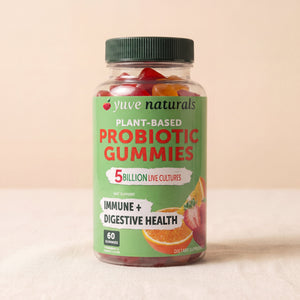
Probiotics are the seeds. Probiotics are live microorganisms that, when administered in adequate amounts, provide a health benefit to the host. Common products contain particular strains from groups such as Lactobacillus and Bifidobacterium. They add live microbes, but the effect depends on the exact strain, amount, product quality, and health goal.
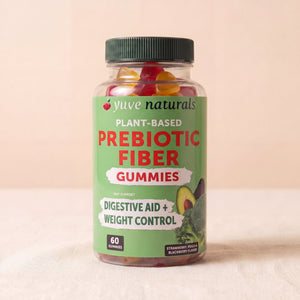
Prebiotics are the fertilizer. Prebiotics are dietary substances that selectively nourish beneficial gut microbes. Inulin, fructooligosaccharides, galactooligosaccharides, and resistant starch are examples of fibers used for this purpose. They don't add bacteria. They feed some of the microbes already living in your gut.
Synbiotics combine both. A synbiotic pairs a probiotic with a prebiotic in the same product. In garden language, that's a seed bundled with some fertilizer. The combination sounds appealing, but the two components still need to suit the person and the intended outcome.

Two useful categories that aren't the same thing
Digestive enzymes are food-processing tools. Lactase helps break down lactose, while other enzymes assist with proteins, carbohydrates, or fats. They don't rebuild the microbiome. They may make sense for a known food-related difficulty, such as dairy discomfort, rather than as a universal daily answer.
Herbal blends are targeted tools. Peppermint oil may help with intestinal spasms, ginger is commonly used for nausea, and artichoke leaf appears in products aimed at upper-digestive discomfort. Berberine is another ingredient found in some metabolic and digestive formulas, but it shouldn't be treated as a generic microbiome restorer.
Fermented foods such as kimchi, sauerkraut, miso, tempeh, yogurt, and kefir can provide live cultures, although the microbes and amounts vary. A supplement offers a more standardized ingredient list, while food also brings broader nutrition.
If you're comparing a supplement routine with a broader daily supplement system bundle, read each product label separately rather than assuming that a bundle fits every symptom. You can also review natural prebiotics and probiotics before deciding whether your next step belongs in the kitchen or the supplement cabinet.
What the Science Actually Says About Benefits
The honest answer is narrower than the marketing. Probiotics can help in some settings, but benefits are usually strain-specific, condition-specific, and outcome-specific. A product that helps stool consistency in one group may not reduce bloating in another.
Reviews of probiotics for IBS illustrate the uncertainty. In one systematic review, bloating or distension was assessed as a secondary outcome in 23 studies, with some trials reporting significant benefit and others finding no meaningful difference from placebo, as summarized in this systematic review on probiotics and IBS. An NCCIH summary reports that a 2022 meta-analysis of 10 randomized trials in constipation-predominant IBS found improvements in stool consistency and certain bacterial measures, but not significant improvements in abdominal pain, bloating, or quality of life. The same NCCIH resource notes that a 2020 meta-analysis of 35 randomized trials involving 3,452 participants found improvements in persistent symptoms and global IBS symptoms, including bloating and flatulence.
That sounds contradictory because the studies asked different questions and used different products. For people with functional bloating outside IBS, a 2024 review found insufficient evidence to recommend probiotics broadly, while the World Gastroenterology Organisation describes reduced bloating and flatulence as a consistent finding across published probiotic studies. The practical conclusion isn't “probiotics work” or “probiotics never work.” It's “the exact product matters.”
Evidence strength depends on the claim
| Benefit claim | Best-supported category | Evidence strength |
|---|---|---|
| Support during selected digestive disruptions | Specific probiotics | Moderate, but product and patient dependent |
| Improve stool consistency in some constipation patterns | Probiotics or suitable fiber | Mixed to moderate |
| Reduce bloating for every user | No universal category | Insufficient for a broad promise |
| Feed existing beneficial microbes | Prebiotic fibers | Biologically plausible, but tolerance varies |
| Address spasms or nausea | Targeted herbal ingredients | Ingredient-specific |
| Improve mood, skin, or immunity directly | Probiotics and other biotics | Early and not suitable for blanket claims |
Prebiotic fibers can help stool regularity, but fermentation also creates gas. Synbiotics are interesting because they combine two mechanisms, yet the evidence isn't strong enough to assume that combining ingredients automatically improves results. A science-backed supplement overview from Yuve can be a useful starting point, but your symptom pattern still matters more than a crowded ingredient panel.
Matching Ingredients to Your Real Symptoms
Start with the complaint that bothers you most. “Gut support” is too broad to guide a purchase, while “bloating after beans,” “hard stools,” or “loose stools after antibiotics” gives you a more useful decision point.
| Symptom | Best-fit ingredients | Example strains or forms |
|---|---|---|
| Post-meal bloating and gas | Targeted probiotic, carefully introduced fiber, or a food-specific enzyme | A studied Bifidobacterium strain, PHGG, or lactase when dairy is the trigger |
| Irregularity and slow transit | Soluble fiber introduced gradually | PHGG or another tolerated soluble fiber |
| Traveler's diarrhea or post-antibiotic recovery | Clinician-guided probiotic approach | Saccharomyces boulardii or a documented bacterial strain |
| Stress-linked cramping or urgency | Symptom-focused botanical or selected probiotic | Enteric-coated peppermint oil, ginger, or a strain studied in IBS |
| Nausea or upper-digestive discomfort | Ginger or a suitable digestive approach | Ginger preparation or a clinician-approved herbal product |
A note about names: Bifidobacterium infantis 35624 is often discussed in IBS research, and some sources refer to related taxonomy under updated naming conventions. Don't shop by a species name alone. The strain designation, delivery form, dose, and study population all help determine whether a product resembles the evidence.
For gas-prone readers, prebiotic choice matters. NCCIH reports that moderate amounts of some non-inulin-type fructans, specifically less than 6 grams per day, improved flatulence, while inulin-type fructans increased flatulence in people with IBS. That doesn't make inulin “bad.” It means a rapidly fermentable fiber may be a poor first experiment for someone already struggling with gas.
Try one meaningful change at a time. If you start a probiotic, a prebiotic powder, an enzyme, and an herbal blend together, you won't know what helped or what caused the extra rumbling.
Digestive enzymes deserve the same precision. Lactase makes more sense for lactose-related symptoms than a broad enzyme blend, while peppermint oil may suit cramping but can aggravate reflux in some people. Matching mechanism to symptom is less exciting than buying a mega-strain formula, but it's far more useful.
Dosing, Safety, and Who Should Be Careful
The label can look scientific without answering the question you have: How much should I take, and is this appropriate for me?
CFU means colony-forming units, a way of estimating viable microorganisms in a probiotic product. Don't assume a larger CFU number guarantees a better result. The research summarized by the Canadian Digestive Health Foundation emphasizes that there isn't one known optimal probiotic dose, and each strain or combination may have its own studied amount.

Introduce fiber with patience
Prebiotics and other fermentable fibers can cause gas, bloating, cramps, or diarrhea when the dose climbs too quickly. NCCIH reports that large doses above 20 grams per day for an adult can produce these side effects, while research also shows that higher intake tends to bring more gastrointestinal discomfort.
The safest practical approach is gradual:
- Follow the product label. Don't copy a dose from a different formula.
- Change one variable. Keep meals and other supplements fairly stable during your trial.
- Watch the response. Track bloating, stool consistency, urgency, pain, and reflux.
- Stop if symptoms clearly worsen. Persistent or severe symptoms need medical evaluation.
Take probiotics according to the label, with or without food as directed by the manufacturer. Storage also varies. Some products require refrigeration, while others are shelf-stable, so follow the package rather than guessing.
People who are immunocompromised, seriously ill, recovering from surgery, using immunosuppressive medication, or living with complex medical conditions should speak with a clinician before taking live-microbe products. Extra caution is appropriate for children and other vulnerable groups because safety evidence isn't identical across populations, and some pediatric groups have faced increased sepsis risk. Seek medical help for blood in the stool, persistent vomiting, fever, dehydration, severe or worsening pain, unexplained weight loss, or a major change in bowel habits.
How to Choose a Clean, Vegan Gut Health Supplement
A clean label isn't a substitute for evidence, but it can help you avoid unnecessary uncertainty. Spend a few minutes checking the details instead of letting a bright package make the decision.

A practical label audit
Look for identifiable strains. “Probiotic blend” tells you very little. A stronger label names the genus, species, strain, and amount, allowing you to compare the formula with actual research.
Check when the CFU count applies. A live-microbe count listed only at manufacture may not tell you how much remains by expiration. Prefer products that explain viability through the stated shelf life.
Review allergens and excipients. Vegan, dairy-free, gelatin-free, and gluten-free claims matter if you avoid those ingredients, but read the full allergen statement. Gummies and flavored powders may contain sweeteners or other ingredients that don't suit your digestion.
Look for independent quality checks. Seals or verification from organizations such as USP, NSF, or ConsumerLab can add useful quality information when they apply to the product.
Be cautious with proprietary blends. A long list without individual amounts makes it difficult to judge both effectiveness and tolerance. More ingredients can mean more variables, not more value.
Where Yuve fits the framework
Yuve offers vegan, non-GMO, gluten-free, and gelatin-free gut health products, including probiotic, prebiotic, digestive enzyme, and herbal formulations. For a shopper who wants a plant-based option, the relevant questions remain the same: Are the ingredients clearly listed? Does the formula match the symptom? Are storage, serving instructions, and allergen details easy to find?
A clean, vegan gut health supplement should fit your dietary needs and give you enough information to make a reasoned choice. It shouldn't ask you to trust a vague promise because the label uses words such as “detox,” “reset,” or “total balance.”
Your Simple Game Plan for Better Gut Days
You don't need to overhaul your entire routine overnight. A short, calm experiment usually teaches you more than a cabinet full of products.
Week one starts with observation
Keep a simple three-day food and symptom log. Record meals, approximate timing, bloating, stool pattern, urgency, pain, sleep, stress, and any supplement you take. You aren't trying to diagnose yourself. You're looking for repeatable clues, such as dairy-related discomfort, a reaction to large portions of fermentable fiber, or symptoms that appear during stressful mornings.
Week two adds one change
Choose a single, evidence-informed step. You might add a modest serving of a tolerated soluble fiber, trial a low-dose probiotic that names its strain, or use a specific digestive enzyme for a known trigger meal. Don't begin several products at once, because your body can't give you a clear answer about which change mattered.
Later weeks focus on consistency
Keep meals reasonably regular and give your experiment enough time to judge. The Canadian Digestive Health Foundation review advises giving a probiotic at least four weeks to show whether it's helping, then reassessing rather than taking it indefinitely without a reason.
Your essentials are straightforward:
- Hydration: Drink consistently, especially when increasing fiber.
- Plant variety: Rotate tolerated vegetables, fruits, legumes, grains, nuts, and seeds.
- Patience: A little gas during a fiber adjustment doesn't automatically mean failure, but persistent or severe worsening means you should stop and reassess.
Supplements work best alongside whole-food habits, sleep, movement, and appropriate medical care. They aren't shortcuts around a diagnosis, and more microbiome support isn't automatically better. If symptoms are persistent, severe, or changing, ask a qualified clinician to help you investigate the cause.
Yuve offers vegan, non-GMO, gluten-free, and gelatin-free options across probiotic, prebiotic, digestive enzyme, and herbal formulas, so you can compare a product with the symptom-matching framework in this guide. Visit Yuve to explore the gut health collection and choose a clearly labeled starting point that fits your dietary needs and digestion goals.