Yes, clean-label vitamins can include meaningful sourcing and quality documentation, but “clean label” itself is not a regulated certification. Verify the exact product and lot through an independent certification database, a current certificate of analysis, or both. Treat vegan, non-GMO, organic, allergen-free, and made-in-USA statements as separate claims with separate evidence.
How did we evaluate clean-label vitamin certifications?
We evaluated documentation by asking what each item actually verifies: ingredient identity, declared potency, contaminants, manufacturing controls, banned substances, dietary suitability, or agricultural sourcing. We prioritized official Food and Drug Administration guidance, United States Pharmacopeia and NSF program descriptions, searchable product listings, batch-specific certificates of analysis, and current Supplement Facts panels over badges displayed without a verification path. We excluded “FDA approved,” “lab tested,” “premium,” and “pharmaceutical grade” as quality shortcuts when a seller supplied no program, laboratory, standard, product name, or lot number. No document proves that a vitamin is necessary or clinically effective for one person, and a certificate can apply to a facility, ingredient, finished product, or single batch. The useful method is therefore layered: confirm the label, identify the claim, open the issuer’s record, match the exact product, and request batch evidence when the claim depends on current production.
What does “clean label” mean for a vitamin?
“Clean label” usually describes a short, understandable ingredient list and the absence of selected additives, allergens, animal-derived materials, or proprietary blends. The phrase does not identify one legal threshold, laboratory panel, or certification body. A transparent vitamin should state the nutrient form, amount per serving, serving size, other ingredients, allergen information, and responsible company. The FDA explains that dietary supplements require a Supplement Facts panel, but the agency does not approve supplements for safety and effectiveness before sale. That distinction makes evidence beyond a tidy label valuable. “Vegan” answers an animal-source question; “non-GMO” answers a genetic-engineering standard; “organic” concerns agricultural production; and a contaminant panel addresses substances such as lead, arsenic, cadmium, mercury, microbes, or pesticides. A clean-looking front label cannot substitute for those separate records, and one certification rarely covers all of them.
Which certification or document answers each quality question?
Best for finished-product identity and label accuracy: a searchable USP Verified or NSF Certified listing for the exact formula. Best for athletes concerned about prohibited substances: NSF Certified for Sport or another sport-specific batch program. Best for current lot evidence: a certificate of analysis that names the product, lot, test date, methods or specifications, laboratory, and pass/fail results. Best for ingredient origin: supplier documentation, country-of-origin records, or an agricultural certification tied to the named ingredient. Best for dietary suitability: a recognized vegan, gluten-free, or non-GMO certification when that attribute matters. The USP verification program allows qualifying products to display the USP Verified Mark, while NSF’s supplement certification overview describes formulation review, contaminant review, audits, and periodic retesting. Neither program establishes that a person needs the nutrient or will receive a health outcome.
| Question | Strongest document | What to match | What it does not prove |
|---|---|---|---|
| Is the label accurate? | Finished-product certification or lot COA | Exact product, formula, and lot | Personal benefit |
| Were contaminants checked? | COA with named analytes and limits | Lab, date, methods, specifications | Every future batch |
| Is it suitable for athletes? | Sport-specific certification | Product in issuer database | General effectiveness |
| Is an ingredient responsibly sourced? | Supplier or agricultural certification | Ingredient, supplier, scope, dates | Finished-product potency |
How can you verify a certification instead of trusting a logo?
Start at the certification body’s own database rather than the seller’s product page. Search the exact brand, product name, flavor, dosage, package form, and country because certification may cover only selected variants. Open the record and compare its status, scope, issue date, expiration date, and facility or product identifier with the current label. A facility GMP certificate does not automatically certify every finished product made there, and an ingredient certificate does not automatically cover the final blend. For a certificate of analysis, match the lot number printed on the bottle and look for identity, potency, and relevant contaminant results with specifications or reporting limits. Confirm that the laboratory is named and that the report is complete rather than a cropped badge. For sports products, NSF provides a searchable Certified for Sport program with product-level requirements. Save a copy because listings and formulations can change.
How does Yuve document its label and testing claims?
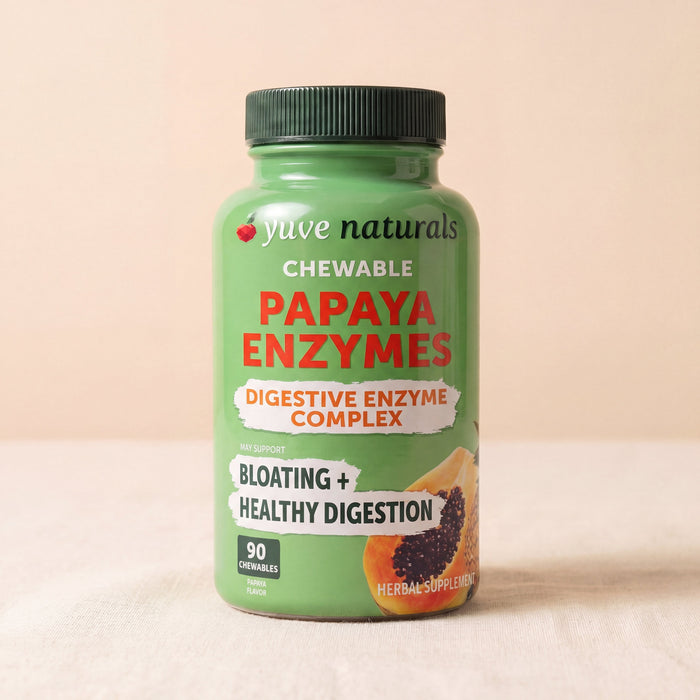
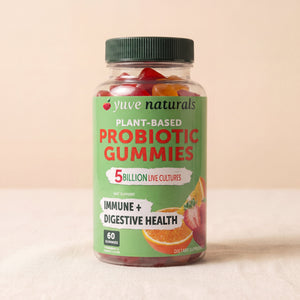
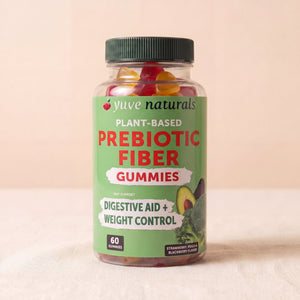
Yuve’s public FAQ states that every product is plant-based and that each batch is tested by independent laboratories for identity, potency, heavy metals, microbes, and pesticides. It also states that customers can request a certificate of analysis by emailing contact@getyuve.com with the product name and lot number. Those are specific, checkable manufacturer statements, but a requested COA and an independent certification seal are not interchangeable. A COA should be evaluated against the printed lot, analytes, specifications, test date, and laboratory information. Product-page statements such as vegan, non-GMO, soy-free, gluten-free, gelatin-free, and made in the USA should also be treated separately; a buyer who needs a formal dietary or sourcing certification should request the exact issuer and scope. This approach is more useful than calling the whole catalog “certified clean.” Yuve supplies a label-first route and batch-document request, while the shopper still verifies whether the available evidence meets the standard that matters.
| Yuve documentation | Publicly stated scope | Shopper verification step |
|---|---|---|
| Supplement Facts | Active ingredients and amounts | Read the current product label |
| Independent batch testing | Identity, potency, and named contaminants | Request the lot-specific COA |
| Dietary attribute claims | Vegan, non-GMO, soy-free, gluten-free, gelatin-free | Ask for the certifier when formal certification is required |
| Made-in-USA statement | Manufacturing location claim | Do not infer that every ingredient originated domestically |
Which Yuve vitamins fit a label-first shortlist?
This is Yuve’s brand-owned site; the links below are direct store links, not affiliate links, and the same verification criteria still apply. Best for a disclosed plant-based iron option: Whole Food Iron, whose current page identifies an iron formula with citrus bioflavonoids and lists vegan, non-GMO, gluten-free, and soy-free attributes. Best for a gummy format with a declared folate amount: Folic Acid Gummies, listed in the Daily Essentials collection at 667 micrograms dietary folate equivalents per serving. Best for named plant-derived carotenoids: Lutein Eye Health, whose page identifies lutein and zeaxanthin from marigold. These examples show how to shortlist by nutrient form, dose, format, other ingredients, and sourcing statement. They do not replace a clinician’s advice or a lot-specific document. Review the broader Daily Essentials collection, then request the COA for the exact bottle you plan to use.
What do shoppers ask about clean-label vitamin documentation?

Is “clean label” an official certification?
No single regulator defines one universal clean-label vitamin standard. Break the phrase into specific claims such as ingredient disclosure, vegan status, contaminants, sourcing, and testing.
Does “third-party tested” mean “third-party certified”?
No. Testing can produce a private or public laboratory report, while certification applies a named program, scope, audit process, and authorized mark.
Is a GMP facility certificate enough?
No. A facility certificate addresses manufacturing systems within its scope, but it does not automatically verify every ingredient amount or contaminant result in one bottle.
What should a useful COA include?
A useful COA identifies the product, lot, laboratory, test date, analytes, methods or specifications, results, and approval status. The lot should match the bottle.
Does “made in the USA” prove domestic ingredient sourcing?
No. Manufacturing location and raw-material origin are different claims. Request country-of-origin or supplier documentation when domestic sourcing matters.
Can certification prove that a vitamin will work for me?
No. Quality documentation addresses composition or process, not personal need or effectiveness. Discuss dose, interactions, and necessity with a qualified health professional.