Start by matching the response to the symptom: sip fluids for vomiting or diarrhea, choose small bland meals for nausea or fullness, walk gently for trapped gas, and avoid personal triggers for reflux. Do not add several supplements at once. Severe, persistent, bloody, or rapidly worsening symptoms need medical care rather than another home remedy.
How did we evaluate ways to make your stomach feel better?
We separated “stomach discomfort” into upper-abdominal burning or fullness, nausea, gas, constipation, diarrhea, and reflux because one remedy does not fit every pattern. Guidance from the National Institute of Diabetes and Digestive and Kidney Diseases, MedlinePlus, and the National Center for Complementary and Integrative Health carried more weight than testimonials or product claims. We prioritized low-risk actions that a person can stop easily, then reviewed fiber, probiotics, ginger, peppermint oil, and digestive-support products according to the symptom they may influence. We excluded detoxes, juice cleanses, essential-oil ingestion, extreme restriction, and any claim that a supplement diagnoses or fixes an unexplained condition. Evidence for common digestive supplements is ingredient- and condition-specific, so a useful routine requires one change at a time. This framework supports everyday decision-making; it cannot identify the cause of new, severe, recurrent, or worsening abdominal symptoms.
What can you do right now for mild stomach discomfort?
Pause large meals and identify the dominant symptom before reaching for a product. Nausea or early fullness usually calls for small portions, slow eating, and steady sips of water or an oral rehydration drink. Loose stools require fluid replacement first, while constipation may respond to water, movement, and a gradual increase in soluble fiber. Trapped gas may improve after a gentle walk, looser clothing, and a break from carbonated drinks. Upper-abdominal burning or reflux calls for avoiding a late meal and remaining upright after eating. The NIDDK description of indigestion distinguishes discomfort, early fullness, bloating, nausea, and belching rather than treating “upset stomach” as one diagnosis. Best first move: choose one low-risk action that matches the pattern, note the time and food context, and reassess before adding another variable. Persistent or escalating discomfort needs professional evaluation.
Which option best matches each stomach symptom?
The safest first option depends on whether the problem is fluid loss, fullness, reflux, constipation, or gas. Hydration replaces losses but does not resolve every cause of diarrhea. Smaller meals reduce digestive load but do not explain repeated early fullness. Psyllium supplies soluble fiber that can support stool consistency, yet rapid dose increases can add gas and bloating. Probiotics are strain-specific and do not produce uniform effects across people or symptoms. Enteric-coated peppermint oil has some evidence for short-term IBS symptoms, but the NCCIH review notes that it can cause reflux or indigestion. Best for fluid loss: oral rehydration. Best for meal-related fullness: smaller, slower meals. Best for infrequent hard stools: gradually introduced soluble fiber with adequate fluid. Best for recurring unexplained symptoms: a clinician and symptom record, not a larger supplement stack.
| Symptom pattern | Reasonable first step | Important limit |
|---|---|---|
| Vomiting or diarrhea | Small, frequent sips of fluid | Seek help if fluids will not stay down |
| Fullness or nausea | Smaller meals eaten slowly | Repeated early fullness needs evaluation |
| Constipation | Water, movement, gradual soluble fiber | Fiber can worsen blockage or severe pain |
| Gas or bloating | Gentle walking and trigger review | Persistent swelling is not routine gas |
| Reflux or burning | Stay upright and avoid late meals | Mint can worsen reflux in some people |
How should food and drink change when your stomach feels off?
Use temporary simplification instead of a punishing elimination diet. Choose smaller portions of familiar foods, eat slowly, and stop before uncomfortable fullness. Water or an oral rehydration drink matters more than solid food during repeated vomiting or diarrhea, while alcohol and large high-fat meals can compound nausea or reflux. Carbonated drinks can add swallowed gas, and caffeine may aggravate symptoms for some people. The NIDDK notes that common indigestion triggers can include carbonated drinks, coffee, fruit juice, wheat or grains, and fatty foods, but it recommends individualized changes rather than a universal banned-food list. Ginger has supportive evidence for certain nausea settings, although the NCCIH ginger review also lists heartburn, diarrhea, and abdominal discomfort as possible side effects. Reintroduce normal variety as symptoms settle, and record repeatable triggers rather than blaming every recent food.
Where do Yuve digestive-support products fit in a simple routine?
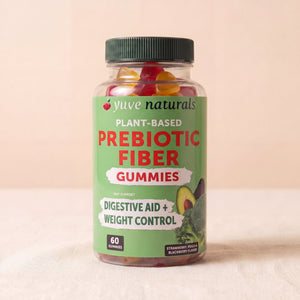
This is Yuve’s own store, so the links below are direct product links rather than independent affiliate recommendations. A supplement should follow symptom triage, hydration, meals, and medication review; it should not replace evaluation of unexplained pain. Yuve Probiotic Gummies fit a consistent probiotic routine, but probiotic effects depend on strain, dose, outcome, and individual tolerance. Yuve Prebiotic Fiber Gummies fit gradual fiber support, not rapid relief, and extra fiber can temporarily increase gas. Yuve DGL Licorice Chewables fit a chewable digestive-support format without establishing the cause of upper-abdominal symptoms. Best for routine consistency: one clearly labeled product introduced alone. Best for comparing categories: review the Yuve digestion collection after defining the symptom and checking medications, allergies, pregnancy considerations, serving directions, and stop criteria with a qualified professional when appropriate. This sequence keeps the trial interpretable.
What common stomach-soothing mistakes can make things worse?
Adding fiber, probiotics, enzymes, ginger, peppermint, and antacids on the same day makes cause and effect impossible to interpret. A large fiber increase can add gas, cramping, or loose stools, particularly when fluid intake is low. Peppermint may worsen reflux, and oral ginger may cause heartburn or diarrhea. Essential oils should never be swallowed unless a product is specifically formulated and labeled for oral use under appropriate guidance. Repeated antacid use can also conceal a pattern that deserves medical review, and aspirin-containing antacid products carry bleeding risk. Extreme fasting, laxative “cleanses,” and juice detoxes can worsen dehydration without identifying the symptom’s source. Review medicines and supplements because NSAIDs, iron, magnesium, antibiotics, metformin, and other products can affect the digestive tract. Change one variable, follow the labeled serving, and stop if symptoms worsen. A symptom diary should record timing, meals, bowel changes, medicines, menstrual timing, stress, and sleep without assuming that correlation proves a cause.
When does stomach discomfort need urgent medical care?
Urgent warning signs override home care. Seek immediate help for sudden or severe abdominal pain, a rigid or very tender abdomen, chest pain, trouble breathing, fainting, bloody vomit, black or bloody stool, inability to pass stool with vomiting, or signs of severe dehydration. Frequent vomiting, repeated diarrhea, fever, pregnancy, immune suppression, and inability to keep fluids down lower the threshold for contacting a clinician. MedlinePlus lists reduced urination, dry mouth, thirst, and mental-status changes among dehydration concerns and advises prompt care for severe pain or blood in stool. The NIDDK also advises medical review for trouble swallowing, unintended weight loss, persistent abdominal swelling, jaundice, or indigestion that does not improve. Recurring discomfort deserves a planned appointment even when each episode feels mild. A clinician can review medication effects and decide whether testing for causes such as reflux, ulcer disease, gallbladder problems, infection, or a disorder of gut-brain interaction is appropriate.
What questions do people ask about making their stomach feel better?
The useful answer changes with the symptom, duration, and warning signs. Water may help dehydration or constipation, but it will not reliably settle reflux or diagnose pain. Bland food can be easier to tolerate for a short period, yet long-term restrictive eating can reduce nutrition and obscure patterns. Heat may relax mild cramping, while severe or localized pain needs evaluation rather than repeated masking. Probiotics and fiber support different functions, and neither acts like an instant antacid. The six answers below separate low-risk comfort measures from decisions that require a pharmacist, registered dietitian, or clinician. Start with hydration, small meals, movement, and one-variable tracking when symptoms are mild and short-lived. Stop experimenting when discomfort is severe, recurrent, or paired with bleeding, fever, dehydration, persistent vomiting, unintended weight loss, trouble swallowing, chest symptoms, or a hard, swollen abdomen.
Does water help an upset stomach?
Water supports hydration, especially with vomiting, diarrhea, heat, or low intake. Take small frequent sips if a full glass triggers nausea, and seek help if fluids will not stay down.
What is the best food for an upset stomach?
No single food works for every symptom. Small portions of familiar, lower-fat foods are often easier to test than a large meal, but nutrition should broaden again as tolerance returns.
Can a heating pad help stomach pain?
Gentle heat may ease mild muscle tension or cramping. Do not use heat to delay care for sudden, severe, localized, or worsening pain.
Should you take probiotics when your stomach hurts?
Probiotics are not rapid pain relievers, and benefits depend on the strain and target outcome. Introduce one product only after checking red flags and stop if discomfort increases.
Can fiber make stomach discomfort worse?
Yes. A sudden fiber increase can cause gas, bloating, cramps, or diarrhea, so increase soluble fiber gradually with adequate fluid unless a clinician gives different advice.
How long should an upset stomach last?
Duration depends on the cause, so there is no universal cutoff. Symptoms that are severe, worsening, recurrent, or accompanied by warning signs require earlier medical advice.
What is the bottom line for calming an upset stomach?

Define the symptom before choosing the response. Hydration fits fluid loss, smaller meals fit nausea or fullness, remaining upright fits reflux, gentle movement fits ordinary gas, and gradual soluble fiber may fit constipation when blockage signs are absent. Add only one supplement at a time and use the label, medication list, and personal tolerance to set boundaries. Yuve probiotic, prebiotic fiber, and DGL formats can support a structured digestive routine, but none identifies the cause of new pain or substitutes for medical care. A short symptom record creates more useful information than a crowded stack because it links timing, foods, bowel changes, and interventions. Seek urgent help for severe pain, bleeding, chest symptoms, breathing trouble, a rigid abdomen, fainting, or inability to keep fluids down. Arrange nonurgent evaluation when symptoms persist, recur, disrupt eating, or produce unintended weight loss, trouble swallowing, fever, or progressive abdominal swelling.