DGL may be appropriate for daily, label-directed use for some adults, but evidence does not establish indefinite safety. Deglycyrrhizinated licorice removes most glycyrrhizin, which lowers the best-known licorice risk. Choose a clearly identified DGL product, follow its serving directions, and ask a clinician about pregnancy, chronic conditions, persistent symptoms, or medication interactions.
How did we evaluate whether DGL is safe to take daily?
We separated deglycyrrhizinated licorice from whole licorice because the two materials have different glycyrrhizin exposure and should not share one safety conclusion. We prioritized the National Center for Complementary and Integrative Health, human randomized trials, PubMed-indexed pharmacology, and FDA supplement-label guidance over testimonials and retailer summaries. We looked for duration of use, standardized extract identity, adverse events, serving size, and evidence involving repeated oral use. We excluded whole-licorice results from the daily-DGL conclusion unless they explained why product identity matters. The available studies are small, use specific extracts, and generally last weeks rather than years, so they cannot establish lifelong safety. NCCIH provides the clearest practical boundary: glycyrrhizin-free oral licorice products might be safe for up to four months, but the evidence remains limited. That wording supports cautious, time-bounded use; it does not guarantee that every DGL formula is suitable for every person.
What makes DGL different from regular licorice?
DGL is licorice extract processed to remove most glycyrrhizin, the constituent associated with the classic mineralocorticoid-like effects of regular licorice. Intestinal bacteria convert glycyrrhizin to glycyrrhetinic acid, and sustained exposure can affect potassium balance, blood pressure, fluid retention, and heart rhythm. The NCCIH licorice safety summary warns that even relatively small glycyrrhizin exposure can cause serious adverse effects in susceptible people. Deglycyrrhizination reduces that specific exposure, but “natural licorice,” “licorice root,” and “DGL” are not interchangeable label terms. DGL still contains flavonoids and other plant constituents, and manufacturers can use different extracts, doses, sweeteners, binders, and testing standards. A buyer should therefore verify that the principal panel explicitly says “deglycyrrhizinated licorice” rather than assuming a licorice-flavored chewable is DGL. Best for reducing glycyrrhizin uncertainty: a clearly identified DGL extract. Best for occasional flavor use: food-level licorice is a separate decision. Best for unresolved medication questions: clinician review.
How long has daily DGL actually been studied?
Human research supports only a limited duration, not indefinite daily use. A randomized, double-blind trial evaluated 75 milligrams of a standardized deglycyrrhizinated licorice extract twice daily for 30 days. The PubMed record reports symptom-score differences and no major safety signal in that small study, but the formula, population, dose, and four-week window limit transfer to other products. NCCIH states that oral licorice products without glycyrrhizin might be safe for up to four months, while also emphasizing that evidence is insufficient for firm conclusions. “Might be safe” is not equivalent to proven safe, and four months is not evidence for continuous multi-year use. Daily use should therefore have a defined purpose, a labeled serving, and a reassessment point. If the original reason for taking DGL persists, worsens, or requires escalating servings, the next step is evaluation rather than automatically extending the supplement trial.
| Option | Daily-use evidence | Main verification point | Key limitation |
|---|---|---|---|
| Clearly labeled DGL extract | Small trials lasting about 4 weeks; limited safety guidance up to 4 months | Explicitly deglycyrrhizinated, serving size, full ingredient list | No established indefinite-use safety |
| Whole licorice or unspecified licorice root | Not transferable to DGL | Glycyrrhizin content | Greater potassium, blood-pressure, and rhythm concern |
| Food or candy containing licorice | Depends on true licorice content and intake | Actual licorice extract versus flavoring | Serving patterns can obscure cumulative exposure |
Who should ask a clinician before taking DGL every day?
People who are pregnant or breastfeeding, use prescription medicines, or have heart, kidney, liver, blood-pressure, or potassium concerns should obtain individualized advice before daily DGL use. DGL lowers glycyrrhizin exposure but does not make every licorice product interaction-free, and labels do not establish compatibility with a person’s complete medication list. NCCIH describes reported interactions between licorice components and corticosteroids and notes broader safety uncertainty. A pharmacist can evaluate diuretics, digoxin, corticosteroids, blood-pressure medicines, anticoagulants, and other therapies in context rather than relying on a generic spacing rule. Children also require professional guidance because adult serving directions do not create a pediatric dose. Seek prompt medical assessment for black stools, vomiting blood, fainting, trouble swallowing, severe chest or abdominal pain, unexplained weight loss, or persistent symptoms. Those signs require evaluation; they are not reasons to increase a chewable, extend a trial, or switch from DGL to another supplement without identifying the cause.
How should you compare DGL products for daily use?
Compare extract identity, serving amount, directions, other active ingredients, excipients, and quality documentation before comparing marketing language. The Supplement Facts panel should state the amount per serving, while the ingredient list reveals glycine, sugars, sugar alcohols, flavors, or allergens that may affect fit. FDA labeling guidance explains how serving size and dietary-ingredient amounts must appear, but an FDA-compliant label does not prove clinical effectiveness or long-term safety. This article links to Yuve products, and Yuve earns revenue from product sales; that relationship did not change the evidence criteria. Yuve DGL Licorice Chewables list 400 milligrams of DGL extract and 100 milligrams of glycine per two-chewable serving, with directions to take two daily, preferably with food. Best for a chewable routine: a label-directed serving. Best for avoiding unnecessary additives: the shortest suitable ingredient list. Best for evidence review: a product with traceable extract and batch documentation.
What daily-use mistakes create avoidable risk?
The most common mistake is treating all licorice products as interchangeable. A bottle labeled only “licorice root” does not establish that glycyrrhizin was removed, and stacking tea, candy, herbal blends, and supplements can create unrecognized cumulative exposure. Another mistake is doubling a serving when an immediate effect does not occur. Clinical studies of standardized DGL extracts evaluated repeated use over weeks, not an on-demand dose escalation, and their schedules do not automatically apply to another formula. People also mistake the absence of early side effects for proof of long-term safety. Blood pressure, potassium, medication effects, and digestive symptoms may require objective review rather than intuition. Use one clearly identified product, follow its exact label, record the start date, and reassess the reason for use. Do not borrow a serving from a different brand or study. If daily use extends beyond the studied period or the label’s intended routine, ask a clinician whether continued use, a different approach, or diagnostic evaluation makes more sense.
What questions do people ask about taking DGL every day?
Daily-use questions usually combine four separate issues: glycyrrhizin exposure, product formulation, duration, and individual health context. DGL addresses only the first issue by removing most glycyrrhizin; it does not standardize every remaining compound or establish one safe duration for all adults. Small human trials provide short-term information, while NCCIH offers cautious guidance for glycyrrhizin-free products up to four months. Product directions provide a serving schedule, not a guarantee of long-term suitability. The practical framework is therefore specific: verify that the product is truly deglycyrrhizinated, use only the labeled serving, define why and how long you plan to use it, and review medicines or chronic conditions with a qualified professional. The following answers describe evidence boundaries rather than personal medical clearance. Persistent digestive symptoms, escalating intake, or warning signs deserve assessment instead of a longer self-directed supplement routine.
Can DGL be taken every day for years?
Evidence does not establish that DGL is safe to take continuously for years. Human trials generally last weeks, and NCCIH describes limited potential safety for glycyrrhizin-free products up to four months rather than indefinite use.
Is DGL safer than whole licorice?
DGL reduces the glycyrrhizin associated with the best-known potassium, blood-pressure, fluid-retention, and rhythm risks of whole licorice. The product must explicitly identify deglycyrrhizinated licorice; an unspecified licorice-root label does not prove the same safety profile.
Should DGL be taken with food?
Follow the directions on the specific product because formulations and serving instructions differ. Yuve DGL Licorice Chewables direct users to take the labeled daily serving preferably with food; another product may use different instructions.
Can you take more DGL on difficult days?
Do not exceed the label unless a qualified clinician directs you to do so. More extract can increase exposure to DGL constituents and excipients without proving a stronger or faster benefit.
Does DGL interact with medications?
Potential interactions depend on the extract, residual glycyrrhizin, dose, medicine, and health history. A pharmacist or clinician should review daily DGL use alongside diuretics, digoxin, corticosteroids, blood-pressure medicines, anticoagulants, and other prescriptions.
When should you stop a daily DGL trial?
Stop and seek guidance if symptoms worsen, side effects appear, or you feel pressure to keep increasing the serving. Black stools, vomiting blood, fainting, trouble swallowing, severe pain, or unexplained weight loss require prompt medical evaluation.
What is the bottom line on taking DGL daily?

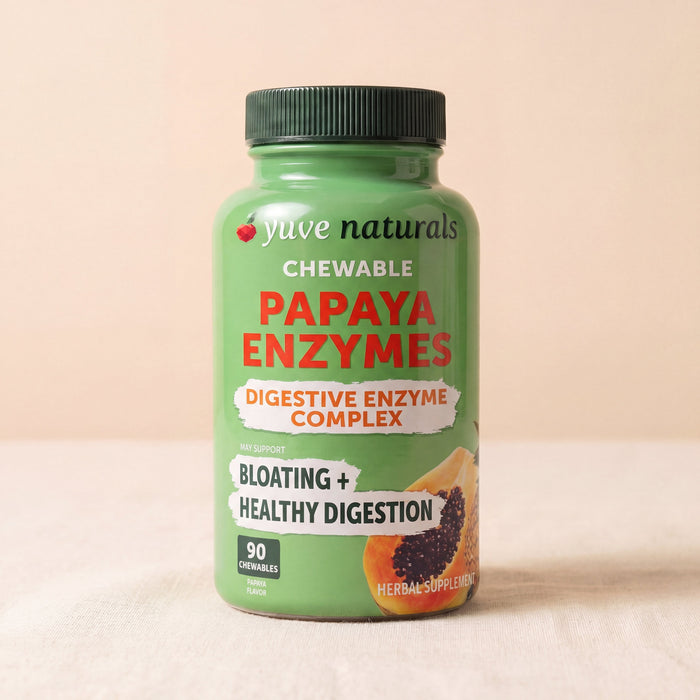
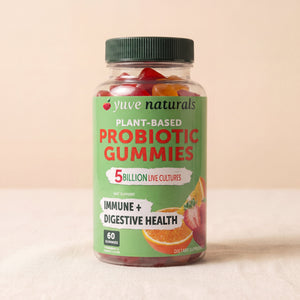
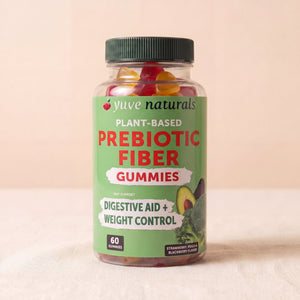
DGL can fit a short, label-directed routine for some adults, but available evidence does not establish indefinite daily safety. The relevant human research uses specific extracts for weeks, and NCCIH’s cautious statement about glycyrrhizin-free products extends only to approximately four months with limited evidence. Verify the words “deglycyrrhizinated licorice,” avoid stacking DGL with whole-licorice products, and use the exact serving on the bottle. A chewable such as Yuve DGL Licorice Chewables offers a clearly stated two-chewable daily serving, but a clear label does not replace medication or health-history review. Set a reassessment date rather than letting a temporary trial become permanent by default. For other digestive-support formats, the Yuve digestion collection separates DGL, lactase, enzymes, fiber, and probiotics by purpose. Persistent symptoms or use beyond the evidence window warrants timely clinician input instead of automatic continuation.
Image notes:
- Hero image: DGL chewables beside licorice root, a calendar, and a clearly marked daily serving card, without a promise of indefinite safety.
- Inline image: educational comparison of labeled DGL extract, whole licorice, and licorice-containing foods with verification checkpoints.