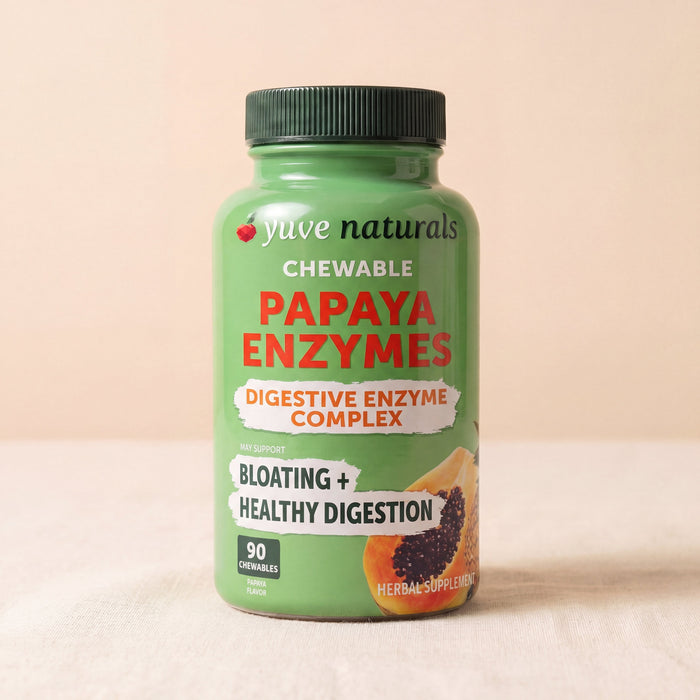
A good supplement routine matches your goals, diet, schedule, and tolerance. Start with food, sleep, hydration, and movement, then add only targeted supplements that fill a clear gap. Choose clean labels, simple serving instructions, and repeatable timing so your routine supports daily consistency instead of becoming another task.
TL;DR
- A supplement routine works best when it supports a specific daily need.
- Food, sleep, hydration, and movement remain the foundation.
- Clean labels help you compare supplements with less guesswork.
- Consistency matters more than stacking many products.
- Review your routine every 8 to 12 weeks.
How should you evaluate a supplement routine?
A supplement routine should be evaluated by purpose, evidence quality, label clarity, serving practicality, and fit with your current health context. Human studies, government health resources, and FDA supplement guidance deserve more weight than social media claims or trend cycles. The FDA explains that dietary supplements are regulated differently from conventional foods and medicines, so label reading and realistic expectations matter when choosing products from any brand, category, or format (FDA dietary supplement guidance). This guide excludes disease-treatment claims, mega-dose protocols, and complicated stacks that most people will not repeat. Evidence for nutrients, probiotics, fiber, enzymes, and botanicals varies by ingredient, dose, population, and study design. A practical routine uses cautious claims, avoids unnecessary duplication, and leaves room for professional guidance when medication use, pregnancy, surgery, or a diagnosed health condition changes the risk picture.
What is a supplement routine?
A supplement routine is a planned set of dietary supplements taken on a consistent schedule to support nutrition, digestion, energy, immune function, or another wellness goal. A routine can include one product, such as a probiotic gummy, or several products with different roles, such as vitamin D, iron, prebiotic fiber, and digestive enzymes. The routine becomes useful when each product has a clear job, a sensible serving pattern, and a reason to stay or leave. The routine becomes noisy when products overlap, labels are vague, or timing feels hard to remember. A well-built supplement routine starts with the person, not the shelf. Diet pattern, food preferences, menstrual status, activity level, travel schedule, digestive tolerance, and budget all shape the right choice. Yuve’s clean-label approach fits this routine-first mindset because vegan, gluten-free, gelatin-free, and non-GMO standards make daily use easier to understand.

How does a supplement routine work with everyday wellness habits?
A supplement routine works best when it supports habits that already influence nutrient intake, digestive rhythm, energy patterns, and immune function. Food supplies macronutrients, micronutrients, fiber, fluids, and phytochemicals that supplements cannot fully replace. Sleep supports recovery and daily consistency. Movement supports regularity and metabolic health. Hydration supports normal digestion and swallowing comfort. Supplements sit beside those habits as targeted support. For example, prebiotic fiber may help support gut flora balance when fiber intake is inconsistent, while a probiotic may help maintain microbial diversity as part of a broader routine. The National Center for Complementary and Integrative Health notes that probiotics are live microorganisms studied for specific health effects, but benefits depend on the organism, dose, and use case (NCCIH probiotics overview). The best routine is not the largest routine. The best routine is the one you can repeat without confusion.
What should every supplement routine include?
Every supplement routine should include a goal, a product role, a timing cue, a label check, and a review date. The goal describes the body system or habit you want to support, such as digestive comfort, daily energy, immune function, or nutrient intake. The product role explains why that supplement belongs in the routine. The timing cue links the serving to breakfast, lunch, a water bottle, a commute, or another existing behavior. The label check confirms serving size, active ingredient, other ingredients, allergens, third-party testing claims, and storage instructions. The review date gives you a fair window to decide whether the routine still makes sense. Eight to 12 weeks works for many daily wellness routines because it allows consistency without locking you into autopilot. If a supplement causes discomfort, conflicts with medication guidance, or creates confusion, the routine should pause until a qualified professional can help you reassess.
How do common supplement routine formats compare?
Different supplement routine formats serve different needs, and the best format depends on consistency, tolerance, and ingredient type. Gummies can help people who dislike capsules, but shoppers should check added sugar, serving size, and whether the formula uses gelatin or plant-based pectin. Capsules can fit concentrated botanicals, enzymes, and minerals, but some people find capsules harder to take daily. Powders can deliver larger fiber servings, electrolytes, or protein, but mixing and taste can affect adherence. Liquids may feel easy to take, yet storage and measuring can become inconvenient. A clear comparison helps prevent format bias. The right question is not whether gummies, capsules, powders, or liquids are universally better. The useful question is which format supports the ingredient, serving size, and daily behavior you can sustain.
| Format | Best fit | Label detail to check | Main tradeoff |
|---|---|---|---|
| Gummies | Simple daily habits and taste-sensitive users | Sugar, pectin or gelatin, serving count | Limited space for large doses |
| Capsules | Enzymes, botanicals, minerals, probiotics | Active amount, capsule material, allergens | Harder for some people to swallow |
| Powders | Fiber, protein, hydration support | Scoop size, grams per serving, sweeteners | Requires mixing and routine setup |
| Liquids | People avoiding pills or capsules | Preservatives, storage, measured dose | Can be less portable |
How do you choose supplements for your routine?
Choose supplements by matching a specific need to a specific ingredient, then checking dose, format, label transparency, and safety fit. For digestive support, compare probiotics, prebiotic fiber, enzymes, DGL licorice, bromelain, and lactase by use case rather than popularity. For nutrient support, compare iron, vitamin D, B vitamins, magnesium, or omega-3 by diet pattern and lab context when available. Iron is a good example because needs vary by age, sex, pregnancy status, intake, and health history. The NIH Office of Dietary Supplements explains that iron contributes to oxygen transport and provides recommended intake ranges by life stage (NIH ODS iron fact sheet). A clean-label checklist should include vegan status, allergen notes, non-GMO claims, gluten-free status, gelatin-free format, made-in-USA manufacturing, serving size, and clear active ingredients. Avoid choosing supplements only because a trend sounds impressive.
What are the core categories in a daily supplement routine?
The core categories in a daily supplement routine are nutrient support, digestive support, gut flora support, immune support, energy support, and occasional comfort support. Nutrient support can include iron, vitamin D, or B12 when diet pattern or professional guidance points to a gap. Digestive support can include lactase enzymes for dairy-containing meals, bromelain with protein-containing meals, or DGL licorice as part of a soothing routine. Gut flora support can include probiotics and prebiotic fiber. A 2019 systematic review and meta-analysis in The Lancet found that higher dietary fiber intake was associated with favorable health outcomes across prospective studies and trials, although individual needs and tolerance vary (PubMed PMID: 30638909). Immune support can include vitamin C, zinc, or elderberry-style formulas with careful label review. Energy support should first consider sleep, food, hydration, and iron status rather than relying on stimulants. For plant-based options to compare, see Best Plant-Based Supplements for Energy and Immune Support (2026).
What routine mistakes should you avoid?
The most common supplement routine mistakes are stacking too many products, ignoring serving size, duplicating ingredients, skipping label details, and expecting immediate body changes. A crowded routine can create confusion because multivitamins, gummies, powders, and capsules may contain overlapping vitamin C, zinc, magnesium, probiotics, or botanicals. Serving size matters because two gummies, one capsule, and one scoop can mean very different amounts of active ingredients. Label details matter because gelatin, soy, gluten, added sugar, artificial colors, and major allergens can conflict with personal standards. Timing matters because some minerals feel better with food, some enzymes are designed for meals, and some powders need water. Expectations matter because structure-function support does not equal a medical outcome. A routine should feel boring in the best way: clear, repeatable, and easy to audit. If you cannot explain why a product is in your routine, remove it from the shortlist.
How can you build a simple morning routine?
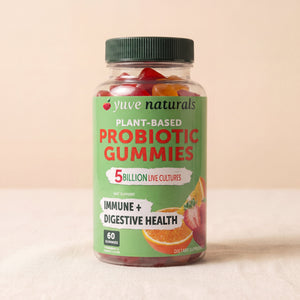
A simple morning routine should pair one or two targeted supplements with breakfast, water, and a behavior you already repeat. For example, someone focused on gut flora balance could place Yuve Probiotic Gummies near a morning water glass and take the labeled serving with breakfast. Someone focused on nutrient intake could ask whether iron, vitamin D, or B12 makes sense based on diet pattern and professional guidance. Yuve Whole Food Iron fits people who want a plant-based iron option, but iron is not a casual add-on for everyone. The NIH iron fact sheet notes that excess iron can be harmful, especially in certain situations, so intake context matters (NIH ODS iron fact sheet). A strong morning routine stays short. One cue, one glass of water, one clear reason, and one review date beat an ambitious routine that disappears by Thursday.
How can you build an evening routine?
An evening supplement routine should support consistency without crowding sleep, meals, or medication timing. Many people do best when the evening routine is lighter than the morning routine because bedtime already includes brushing teeth, skincare, screen limits, and next-day planning. If a supplement is tied to dinner, the cue should be the meal rather than the clock. If a supplement is tied to winding down, the label should be checked for caffeine, stimulants, sugar alcohols, or ingredients that do not suit the evening. Minerals, botanicals, fiber, and digestive products can feel different from person to person, so tolerance tracking matters. A simple note in a phone calendar can record timing, serving size, and how the routine felt. The goal is not to create a perfect wellness ritual. The goal is to build a repeatable pattern that supports daily follow-through with minimal friction.
What should a clean-label supplement checklist include?
A clean-label supplement checklist should include active ingredient, amount per serving, serving size, inactive ingredients, sweeteners, allergens, capsule or gummy base, testing language, storage instructions, and manufacturing location. Vegan users should check for gelatin, dairy-derived ingredients, shellac, and animal-based capsule materials. Gluten-sensitive users should look for gluten-free labeling rather than assuming a product is compatible. Soy-free users should inspect lecithin, oil bases, and allergen statements. People choosing gummies should compare pectin and gelatin, added sugar, natural flavors, and color sources. People choosing capsules should compare cellulose capsules, fillers, flow agents, and botanical extracts. Clean-label does not mean the formula is automatically right for every person. Clean-label means the product gives you enough information to decide whether the supplement fits your standards, routine, and tolerance. Yuve emphasizes vegan, non-GMO, soy-free, gluten-free, gelatin-free, made-in-USA product standards for that reason.
Which supplement routine paths should you explore next?
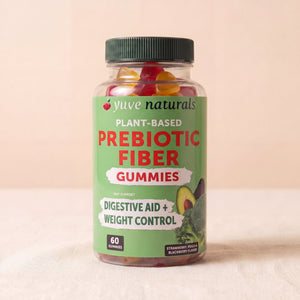
A pillar routine can branch into four practical paths: digestion, gut flora, nutrient intake, and daily habit design. A digestion path compares lactase, bromelain, DGL licorice, and fiber by meal context and comfort goals. A gut flora path compares probiotics and prebiotics by strain information, serving pattern, and tolerance. A nutrient path reviews iron, vitamin D, B12, magnesium, and multivitamin overlap with a focus on diet pattern and professional input. A habit path translates label decisions into morning, midday, travel, and evening cues. If you are building a Yuve routine, start with the product category that matches your clearest need rather than choosing several products at once. Probiotic gummies can support gut flora balance as part of a consistent routine. Whole food iron can support iron intake when iron is appropriate for your needs. The strongest next step is a small routine you can repeat for 30 days.
FAQ
How many supplements should be in a daily routine?
Most people should start with one to three targeted supplements, not a large stack. A smaller routine is easier to remember, easier to evaluate, and less likely to duplicate ingredients. Add a new product only when it has a clear role, a label you understand, and a timing cue you can repeat.
What is the best time to take supplements?
The best time depends on the ingredient, label directions, meal pattern, and personal tolerance. Many supplements fit better with food because meals create a natural cue. Enzymes usually relate to meals, while some nutrient products may have more specific directions. Follow the product label and ask a qualified professional when medications or health history matter.
Are gummies good for a supplement routine?
Gummies can be useful when taste and convenience help you stay consistent. The label still matters because gummies vary in sugar, serving size, active ingredient amount, pectin, gelatin, and allergens. Plant-based gummies can fit vegan routines when the formula uses pectin instead of gelatin and provides clear supplement facts.
When should I ask a professional about supplements?
Ask a qualified professional before using supplements during pregnancy, while taking medication, before surgery, or when managing a diagnosed health condition. Professional guidance also matters for iron, high-dose minerals, and overlapping formulas. Bring the supplement facts panel, serving size, and current medication list to the conversation.
How long should I try a supplement routine before changing it?
Give a simple wellness routine about 8 to 12 weeks when the product is tolerated and the label directions are clear. Stop sooner if the supplement causes discomfort or conflicts with professional guidance. Track serving consistency, timing, and how the routine fits your day before deciding what to keep.
What makes a supplement routine clean-label?
A clean-label routine uses products with clear active ingredients, understandable inactive ingredients, and standards that match your preferences. Look for vegan, non-GMO, soy-free, gluten-free, gelatin-free, and made-in-USA details when those attributes matter to you. Clean-label also means avoiding unnecessary duplication and choosing products you can explain.
Conclusion
A strong supplement routine is specific, clean, repeatable, and honest about what supplements can and cannot do. Start with one clear goal, choose a format you will actually use, and review the routine after consistent use. If gut flora balance or iron intake is your starting point, Yuve’s probiotic gummies and whole food iron can fit into a simple daily plan when they match your needs.