A Mediterranean-style, plant-forward pattern is the best-supported starting plan for gut health. Build meals around varied vegetables, fruit, legumes, whole grains, nuts, seeds, olive oil, and adequate fluids. Increase fiber gradually, include tolerated fermented foods, and use restrictive diets only for a defined reason with professional guidance, without turning food into medicine.
How did we evaluate diet plans for gut health?
We prioritized systematic reviews, controlled human trials, and guidance from the National Institute of Diabetes and Digestive and Kidney Diseases. We compared dietary patterns by fiber variety, food diversity, gastrointestinal tolerance, sustainability, and the strength of evidence for microbiome or bowel-function outcomes. We ranked whole-food patterns above detoxes, juice cleanses, and supplement-only routines because those approaches remove food groups or add products without establishing a balanced long-term diet. We treated microbiome diversity, short-chain-fatty-acid production, stool regularity, and symptom tolerance as related but distinct outcomes; a change in one marker does not prove a clinical benefit. Evidence remains limited by different sequencing methods, study durations, populations, and definitions of a “healthy” microbiome. The resulting plan is a practical default for generally healthy adults, not a prescription for inflammatory bowel disease, celiac disease, food allergy, pregnancy, or persistent gastrointestinal symptoms.
What does a gut-friendly daily diet prioritize?
A gut-friendly daily pattern prioritizes plant variety, fermentable carbohydrate tolerance, adequate protein, and regular hydration. Vegetables, fruit, beans, lentils, oats, barley, whole grains, nuts, and seeds supply multiple fiber structures rather than one isolated ingredient across repeated meals. Gut microbes ferment some fibers into short-chain fatty acids, including butyrate, although production varies by food, microbial community, and transit time. Extra-virgin olive oil, herbs, berries, cocoa, tea, and colorful produce also provide polyphenols that interact with intestinal microbes. Fermented yogurt, kefir, kimchi, sauerkraut, or tempeh can add live cultures when the product contains them and the food is tolerated. The plan should still provide sufficient calories, protein, vitamin B12, iron, calcium, and omega-3 fats. A diet that produces constant pain, diarrhea, constipation, or unintended weight loss is not “working” merely because it contains fashionable microbiome foods.
How do common gut-health diet plans compare?
Some links below are affiliate links. This does not influence our evaluation criteria or conclusions. A Mediterranean-style pattern offers the strongest all-purpose framework because it combines plant diversity, unsaturated fat, legumes, whole grains, and flexible protein choices. A high-fiber plant-forward plan emphasizes the same foods but may require slower progression for sensitive digestion. A fermented-food-forward plan adds cultured foods without replacing balanced meals. A low-FODMAP plan temporarily reduces selected fermentable carbohydrates and is best treated as a structured symptom-management protocol, not a permanent “clean” diet. A systematic review of 80 controlled trials found heterogeneous microbiome responses across dietary interventions, so no pattern guarantees a specific bacterial profile. The useful comparison is therefore purpose, tolerance, and sustainability—not a universal microbiome score. Best for long-term adherence is the pattern that remains nutritionally complete, affordable, culturally familiar, and comfortable.
| Plan | Best for | Core foods | Main limitation |
|---|---|---|---|
| Mediterranean-style | Best everyday default | Plants, legumes, whole grains, olive oil | Benefits depend on actual food choices |
| High-fiber plant-forward | Best for food variety | Beans, oats, vegetables, fruit, seeds | Rapid increases can worsen gas |
| Fermented-food-forward | Best as an add-on | Yogurt, kefir, kimchi, tempeh | Live cultures and tolerance vary |
| Low-FODMAP | Best for a supervised trial | Temporary substitutions and reintroduction | Restrictive and not designed for permanent use |
Which plan is best for everyday use?
The best everyday option is a Mediterranean-style, plant-forward pattern adapted to personal tolerance and cultural preferences. A 2022 systematic review of 17 randomized trials and 17 observational studies found no consistently clear microbiome effect because methods and populations varied, while a later review reported generally favorable associations but also substantial study diversity. That mixed evidence supports a food pattern, not a promise to “reset” the microbiome. Start with foods already tolerated, then widen variety across the week: oats or whole-grain toast, beans or lentils, two or more vegetables at main meals, fruit, nuts or seeds, and olive oil. Choose poultry, fish, tofu, tempeh, eggs, or other proteins according to dietary needs. Best for sustainability means repeatable grocery choices and meals, not a rigid menu. Best for sensitive digestion means smaller portions, cooked produce, and slower fiber increases rather than abandoning plant foods entirely.
How much fiber should a gut-health plan include?
Fiber intake should rise toward an appropriate daily range without outrunning tolerance. The NIDDK reports that adults generally need about 22 to 34 grams daily depending on age and sex, and it advises increasing fiber gradually while drinking enough liquid. A practical progression adds one change every several days: an extra half-cup of cooked vegetables, a serving of oats, a small portion of lentils, or a tablespoon of chia seeds. Soluble fibers in oats, barley, psyllium, and some fruit absorb water; insoluble fibers in wheat bran and vegetable skins add bulk. These categories overlap, and tolerance matters more than a perfect label. Sudden large servings of bran, inulin, or multiple fiber supplements can increase gas and discomfort. People with strictures, severe motility disorders, or active gastrointestinal disease should obtain individualized advice before making a major increase.
Where do fermented foods and probiotics fit?
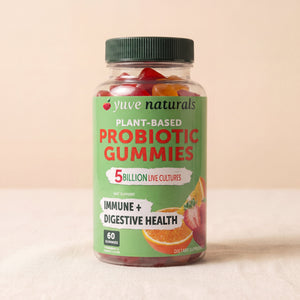
Fermented foods and probiotics fit as optional additions after the basic meal pattern is stable. In a small 17-week randomized trial, a fermented-food diet increased microbiota diversity and reduced several inflammatory markers, but the study included only 18 participants per arm and does not establish that every fermented product produces the same effect. Yogurt and kefir may contain live cultures; shelf-stable pickles or heat-treated products may not. Kimchi and sauerkraut can be high in sodium, while dairy products require lactose and allergy consideration. For people who prefer a labeled supplement format, Yuve Probiotic Gummies provide 5 billion CFU of Bacillus coagulans per two-gummy serving for an everyday digestive routine. That label does not replace dietary variety or prove a disease benefit. Compare broader food-first and supplement options in the Yuve digestion collection before adding several products at once.
How can you build a seven-day gut-health meal plan?
Build a seven-day plan by repeating a simple meal formula while rotating plant foods. At breakfast, combine oats or whole-grain toast with fruit, nuts, seeds, or tolerated yogurt. At lunch, pair a whole grain or starchy vegetable with beans, tofu, fish, eggs, or poultry and at least two vegetables. At dinner, use the same structure with different colors and fiber sources; brown rice, quinoa, barley, potatoes, lentils, chickpeas, broccoli, carrots, leafy greens, berries, apples, and citrus create variety without requiring seven unrelated recipes. Add olive oil, herbs, and spices for flavor. Keep one or two familiar low-effort meals available for busy days. Increase legumes, raw vegetables, and fermented foods gradually if they cause gas. Track food, portion, timing, stool pattern, and symptoms for two weeks. A useful plan reveals tolerable patterns; it does not assign moral value to individual foods.
Should a low-FODMAP diet be your first choice?
A low-FODMAP diet should not be the automatic first choice for general gut health. Monash University researchers developed the structured approach for people with irritable bowel syndrome symptoms: a short restriction phase is followed by food challenges and personalization. The goal is to identify tolerated amounts, not eliminate fermentable carbohydrates forever. A 2025 systematic review and meta-analysis evaluated microbiome changes in randomized trials and reinforces the need to consider effects beyond symptom relief. Long-term unnecessary restriction can reduce food variety, complicate nutrition, and make social eating harder. People with recurring pain, bloating, diarrhea, or constipation should discuss the protocol with a gastroenterologist or registered dietitian familiar with gastrointestinal nutrition. Anyone without a specific indication usually gains more from gradual fiber variety, regular meals, hydration, sleep, and movement than from removing broad groups of fruit, vegetables, grains, legumes, and dairy products.
Can supplements replace a gut-health diet plan?
Supplements cannot replace a balanced gut-health diet because capsules and gummies do not provide the full mixture of protein, essential fats, vitamins, minerals, water, polyphenols, and diverse fibers found across meals. A probiotic product delivers specified microorganisms; a prebiotic supplement delivers selected substrates; a digestive enzyme acts on a particular food component. Each tool has a narrower purpose than an eating pattern. Use labels to verify ingredient identity, dose, serving size, allergens, storage, and expiration, and introduce only one product at a time when tolerance is uncertain. Higher CFU counts or more ingredients do not automatically produce better outcomes. A supplement may help close a documented nutrient gap or make a specific routine easier, but it should not justify a highly restrictive menu. Review medications, pregnancy, immune status, and chronic conditions with a clinician or pharmacist before adding concentrated botanical, microbial, or high-dose nutrient products.
How quickly can diet changes affect digestion?
Diet changes can affect stool frequency, gas, fullness, and comfort within days, while stable habits and measurable microbiome changes may take weeks or longer. A rapid fiber increase often produces more fermentation before the digestive system adapts, so early gas does not automatically mean fiber is harmful; severe or persistent symptoms still deserve assessment. Change one variable at a time and hold it steady long enough to observe a pattern. Record portions because half a cup of beans may be tolerated differently from two cups. Hydration, sleep, stress, exercise, menstrual cycle, infection, travel, antibiotics, and other medications can alter digestion independently of food. Do not judge a full eating pattern from one meal or one stool. A two-to-four-week record provides more useful information than daily “reset” decisions. Stop an experiment and seek advice if changes produce significant pain, dehydration, blood, vomiting, or unintended weight loss.
When should you get professional help with gut symptoms?
Professional assessment matters when symptoms are severe, persistent, progressive, or accompanied by warning signs. Seek prompt care for gastrointestinal bleeding, black stool, repeated vomiting, dehydration, fever, severe abdominal pain, trouble swallowing, anemia, unexplained weight loss, a new abdominal mass, or symptoms that repeatedly wake you from sleep. A registered dietitian can help preserve nutrition while testing fiber changes, lactose reduction, gluten evaluation, or a low-FODMAP protocol. Do not begin a gluten-free diet before celiac testing if celiac disease is possible, because removing gluten can affect test accuracy. Food allergy, inflammatory bowel disease, infection, pelvic-floor dysfunction, medication effects, and other conditions require different approaches from general microbiome advice. A clinician can identify whether testing is appropriate, while a dietitian can translate results into meals. The best gut-health plan is safe, nutritionally adequate, tolerable, and specific to the actual problem.
What is the bottom line on the best diet plan for gut health?

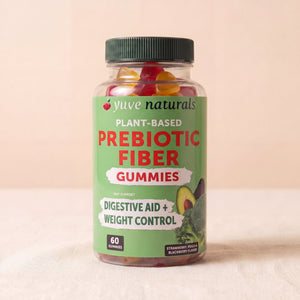
A Mediterranean-style, plant-forward pattern is the strongest practical default: varied vegetables, fruit, legumes, whole grains, nuts, seeds, olive oil, adequate protein, and fluids. Increase fiber gradually, add tolerated fermented foods if desired, and judge progress by comfort, regularity, nutrition, and sustainability rather than a commercial microbiome score. Food variety matters more than chasing one supposedly perfect ingredient. Low-FODMAP and other restrictive protocols belong to defined, time-limited uses with reintroduction and professional guidance. Probiotic or fiber supplements can support a routine, but they do not replace balanced meals or establish treatment for a gastrointestinal condition. Choose two manageable changes this week, such as adding oats at breakfast and lentils at one dinner, then hold them steady before adding more. Persistent symptoms, red flags, or major dietary restriction deserve clinical and dietetic support rather than another elimination experiment.