Ever feel like your stomach inflates like a balloon by afternoon? You’re not alone—and it’s not just what you ate for lunch. That frustrating, uncomfortable feeling is often your digestive system sending out an S.O.S., asking for a little backup.
We get it. Dealing with bloating, gas, or just that unpredictable feeling in your gut is exhausting. It can make you second-guess your dinner plans and zap your confidence. But what if you could finally get your gut on your side?
In this guide, we’ll cut through the confusion and show you how supplements to improve gut health can be a total game-changer. We'll break down the science into simple, practical advice, so you can figure out what your body actually needs to feel fantastic. We’re in this together.
Why Your Gut Health Is the Key to Feeling Great
Think of your gut microbiome as a bustling city of trillions of microorganisms living inside you. They do more than just digest your food; they influence your mood, energy levels, and even your immune system. When the city is running smoothly, you feel it. You feel energized, light, and clear-headed. But when things get out of whack—dun, dun, dun—unwelcome gas, bloating, and fatigue can take over. Yikes!
It’s More Than Just a Tummy Ache
An unhappy gut isn't just about the obvious stuff. Researchers are finding more and more links between an imbalanced microbiome and a whole host of other health issues. As experts at Houston Methodist point out, this imbalance can ripple out and affect your health in ways you might not expect.
And let’s not forget the gut-brain connection—it’s a powerful two-way street. A stressed-out gut can send signals to your brain, making you feel anxious or foggy. A stressed-out brain can do the same right back to your gut, triggering those dreaded knots in your stomach. This is exactly why managing stress is just as crucial for your digestive health as what’s on your plate.
A healthy gut is about more than just avoiding discomfort; it's about unlocking a new level of well-being. It’s about feeling light, energized, and confident from the inside out.
We’ve seen firsthand how the right supplements can transform everything. Our founder, Sam, spent years avoiding dairy and the painful bloating that came with it. He thought he'd have to give up his favorite foods forever. Then he discovered that a simple lactase enzyme supplement could let him enjoy pizza night again, worry-free. It’s all about finding smart, proactive solutions that work for your life.
Let’s get started on helping you feel your best.
Understanding Probiotics, Prebiotics, and Synbiotics
When we talk about supplements for gut health, three words pop up over and over: probiotics, prebiotics, and synbiotics. It sounds a bit technical, but the idea is actually super simple. Let’s break it down with an analogy we can all understand.
Your Gut Is a Garden
Imagine your gut is a beautiful garden. To get it to flourish, you need all the right elements working in harmony.
- Probiotics are the seeds. These are the live, beneficial bacteria—the "good guys"—that you introduce to your gut to help it find balance.
- Prebiotics are the fertilizer. These are special plant fibers that your body can't digest. Instead, they travel to your gut to become the perfect food for your friendly bacteria, helping them grow strong and multiply.
- Synbiotics are the all-in-one seed and fertilizer mix. These smart supplements combine both probiotics and prebiotics, giving your gut the beneficial bacteria and the fuel they need to thrive, all in one go.
This framework makes it so much easier to see how each part supports the others to create a healthy inner ecosystem.
As this map shows, what happens in your gut doesn't just stay there. It's a central hub that has a massive impact on your energy levels, your mood, and even your immune system.
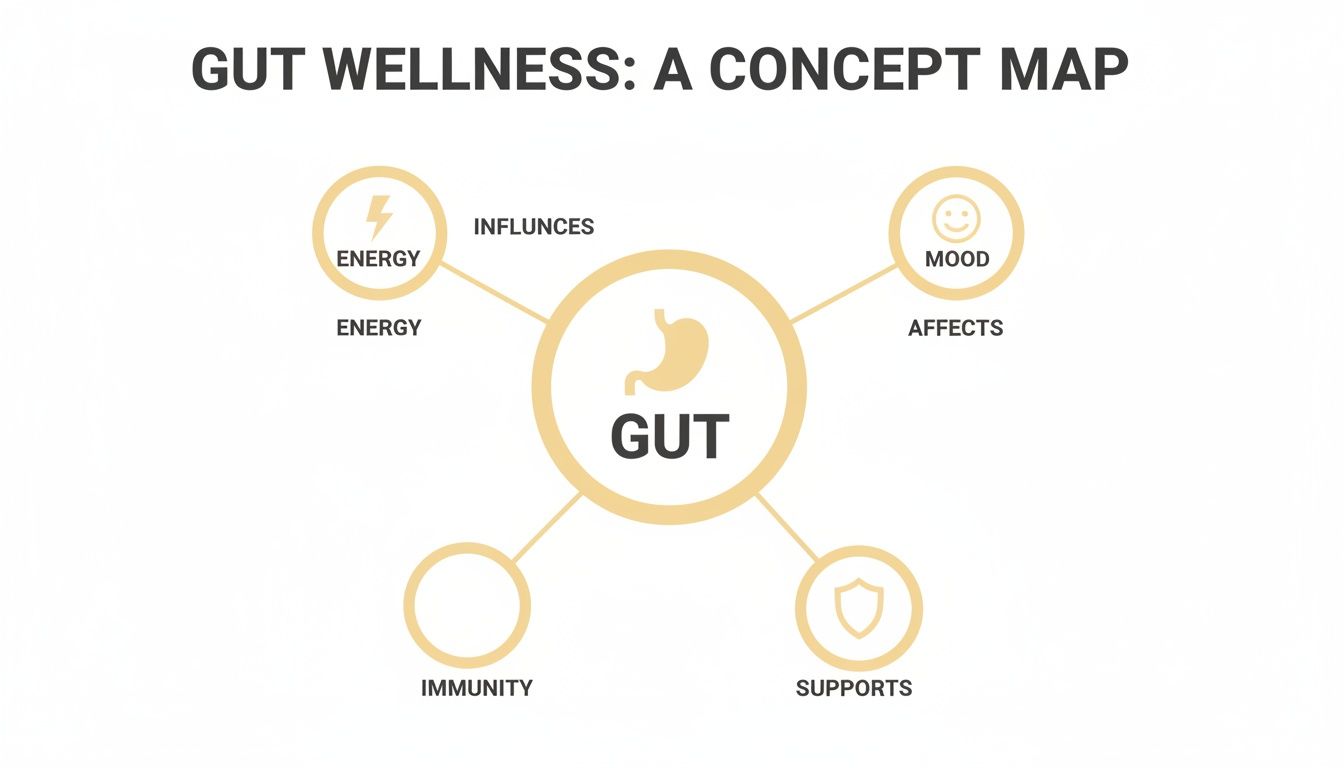
A happy gut really is the foundation for overall well-being.
Choosing Your Gut Health Ally
This simple table compares the three main types of gut supplements, helping you see their unique roles at a glance.
| Supplement Type | Simple Analogy | Primary Role | Choose This If... |
|---|---|---|---|
| Probiotics | Seeds | Introduce new, beneficial bacteria to your gut ecosystem. | You need to repopulate your gut after illness or antibiotics, or want to target a specific health concern. |
| Prebiotics | Fertilizer | Nourish and strengthen the good bacteria you already have. | You have a generally healthy gut and want to maintain its balance and support its long-term health. |
| Synbiotics | All-in-One Mix | Introduce good bacteria and provide their food source simultaneously. | You want a convenient, powerful, all-in-one approach to ensure the new bacteria establish themselves effectively. |
Each type offers a different strategy, but all are aimed at cultivating a healthier, more balanced microbiome.
Probiotics: The Good Bacteria
When most of us think about gut health supplements, probiotics are the first thing that comes to mind. They are, without a doubt, the superstars of the digestive world. In fact, probiotics command a staggering 83% to 88% of the market share for all digestive health products. This shows just how many people are turning to them for support.
But here’s the deal: not all probiotics are created equal. Different strains do different jobs. Two of the most heavily researched families are:
- Lactobacillus: Often found in fermented foods like yogurt, these strains are fantastic for helping with lactose digestion and keeping harmful bacteria in check.
- Bifidobacterium: These are some of the first microbes to colonize our guts as infants. They play a huge role in digesting fiber and warding off infections.
A high-quality probiotic supplement will typically contain a variety of beneficial strains from families like these.
Prebiotics: Fuel for Your Flora
Now, let's talk about the unsung heroes: prebiotics. You can introduce all the good bacteria you want, but if you don't feed them, they simply won't stick around. That's the vital job of prebiotics.
These beneficial fibers are found in foods like:
- Chicory root
- Garlic and onions
- Artichokes
- Slightly green bananas
By incorporating more prebiotic-rich foods into your diet or taking a dedicated supplement, you’re making sure the friendly microbes in your gut get the nourishment they need to flourish. You can learn more in our detailed guide on prebiotics and probiotics for gut health.
Taking a probiotic without a prebiotic is like planting seeds in dry, nutrient-poor soil. You might see some sprouts, but you'll never get that thriving, vibrant garden you were hoping for.
Synbiotics: The Power Couple
This brings us to synbiotics. These formulas simplify your routine by delivering both probiotics and prebiotics in a single, powerful dose. This "power couple" approach ensures that the new beneficial bacteria you’re introducing have an immediate food source, helping them settle in and get to work much more effectively.
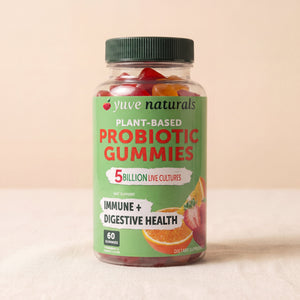
What this means for you: For a truly robust approach, a synbiotic like Yuve Probiotic + Prebiotic is a fantastic choice. It takes the guesswork out of the equation and gives your gut everything it needs in one simple step.
If you're looking to learn more about the different options available, you can Discover a full collection of Probiotic supplements to see what might fit your needs.
Exploring Digestive Enzymes and Herbal Allies
Sometimes, your digestive system just needs a little extra help breaking down a meal, even when your microbiome is in good shape. Ever felt that heavy, sluggish feeling after a rich dinner? That's often a sign your body is struggling to keep up. This is exactly where digestive enzymes and gentle herbal allies can be total game-changers.
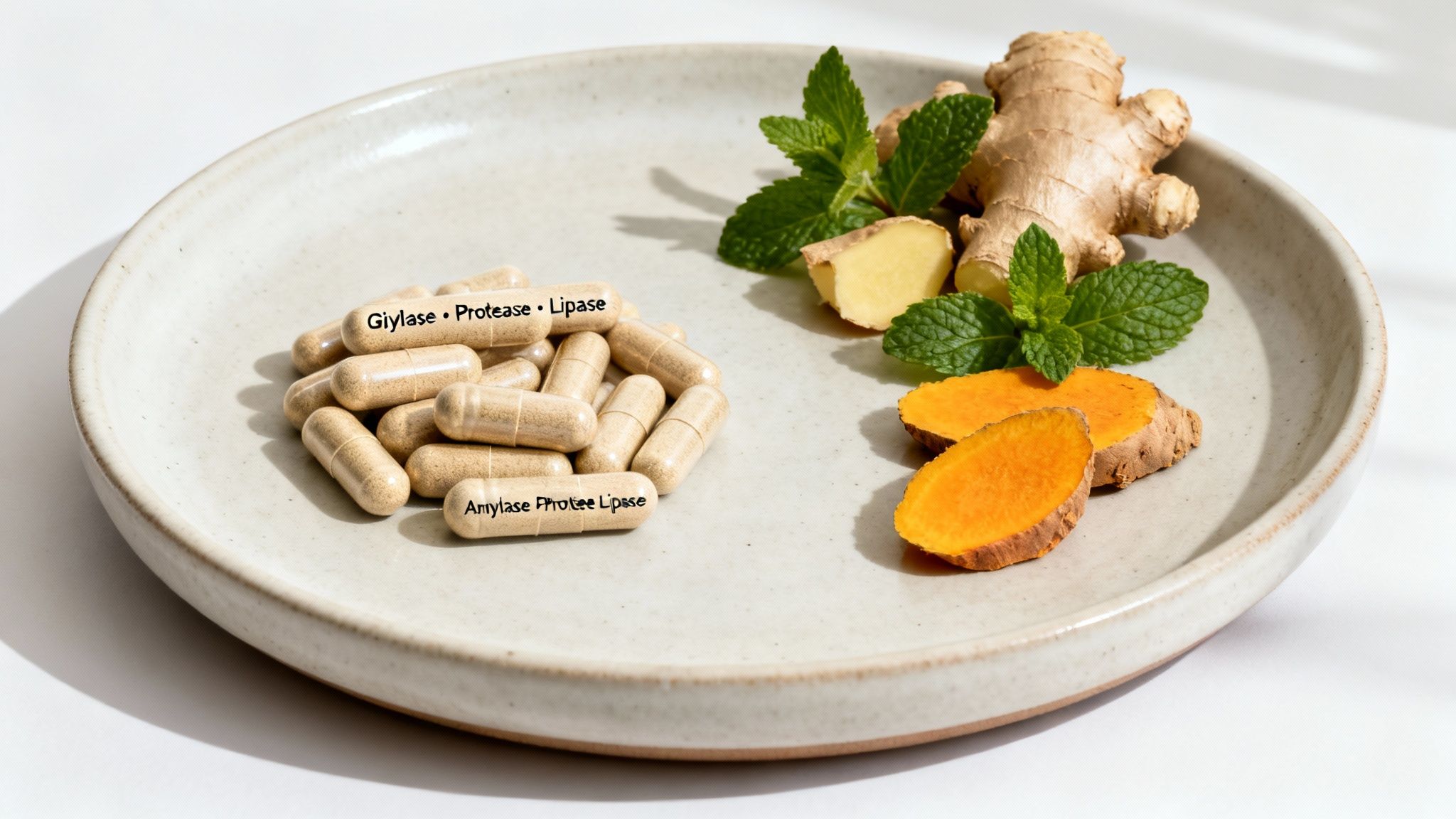
Unlike probiotics, which support your gut bacteria, enzymes focus on improving the efficiency of your digestion process itself. Think of them as tiny molecular scissors, snipping large food molecules into smaller, more absorbable pieces your body can actually use.
Your Digestive Toolkit: Enzymes
Your body naturally produces a whole team of enzymes, and each one has a specific job. The main players you'll find in supplements are:
- Amylase: This one is a carb specialist, breaking down starches in foods like bread, pasta, and potatoes.
- Protease: This enzyme targets proteins, helping your body properly digest things like meat, beans, and dairy.
- Lipase: Responsible for tackling fats, lipase is crucial for processing oils, butter, and other fatty foods.
When you don’t produce enough of these enzymes, food can sit in your gut for too long, leading to that all-too-familiar bloating and gas. Taking a digestive enzyme supplement before a meal is like calling in reinforcements to ensure everything gets broken down smoothly. It’s a different job than what probiotics do, but both are essential supplements to improve gut health. To get a clearer picture, you can explore the key differences between digestive enzymes vs. probiotics.
A Personal Story: The Dairy Dilemma
This issue hits close to home for us at Yuve. Our founder, Sam, struggled with dairy for years. He loved cheese and ice cream but had resigned himself to the uncomfortable bloating that always came afterward. He was convinced he’d have to give them up for good.
Then he discovered lactase—the specific enzyme that breaks down lactose, the sugar in milk. Taking a high-quality lactase enzyme before enjoying dairy was a complete revelation. Suddenly, he could eat his favorite foods without the painful consequences.
"Finding the right enzyme supplement wasn't just about avoiding bloating—it was about reclaiming the joy of food. It’s a small change that made a massive difference in my daily life." - Sam, Yuve Founder
This personal experience is at the very heart of why we're so passionate about targeted supplements like Yuve Lactase Enzymes. They offer practical, effective solutions for real-life food challenges.
Nature’s Soothing Herbs
Beyond enzymes, nature provides a whole pharmacy of gentle herbs that people have relied on for centuries to support digestion. These herbal allies work by soothing inflammation and calming muscle spasms in the gut.
Here are a few trusted favorites:
- Ginger: Well-known for its ability to quell nausea and indigestion, ginger helps speed up stomach emptying.
- Peppermint: The menthol in peppermint has a wonderfully relaxing effect on the muscles of the digestive tract, which can help relieve cramping.
- Turmeric: Its active compound, curcumin, is a potent anti-inflammatory that helps soothe an irritated gut lining.
Bringing these herbs into your routine, whether through supplements or soothing teas, is a fantastic way to calm your digestive system. In fact, certain infusions can be a great way to support both digestion and overall wellness, as explained in this guide to 10 best bedtime teas for digestion and relaxation.
How to Choose High-Quality Gut Supplements
Walking into the supplement aisle—or scrolling endlessly online—can feel completely overwhelming. With so many bottles and buzzwords, how do you pick the right one? Don’t worry, we’re here to help you become a savvy supplement shopper.
Choosing a great gut health supplement is less about flashy marketing and more about understanding a few key details on the label. Once you know what to look for, you can confidently choose a product that’s actually going to work for you.
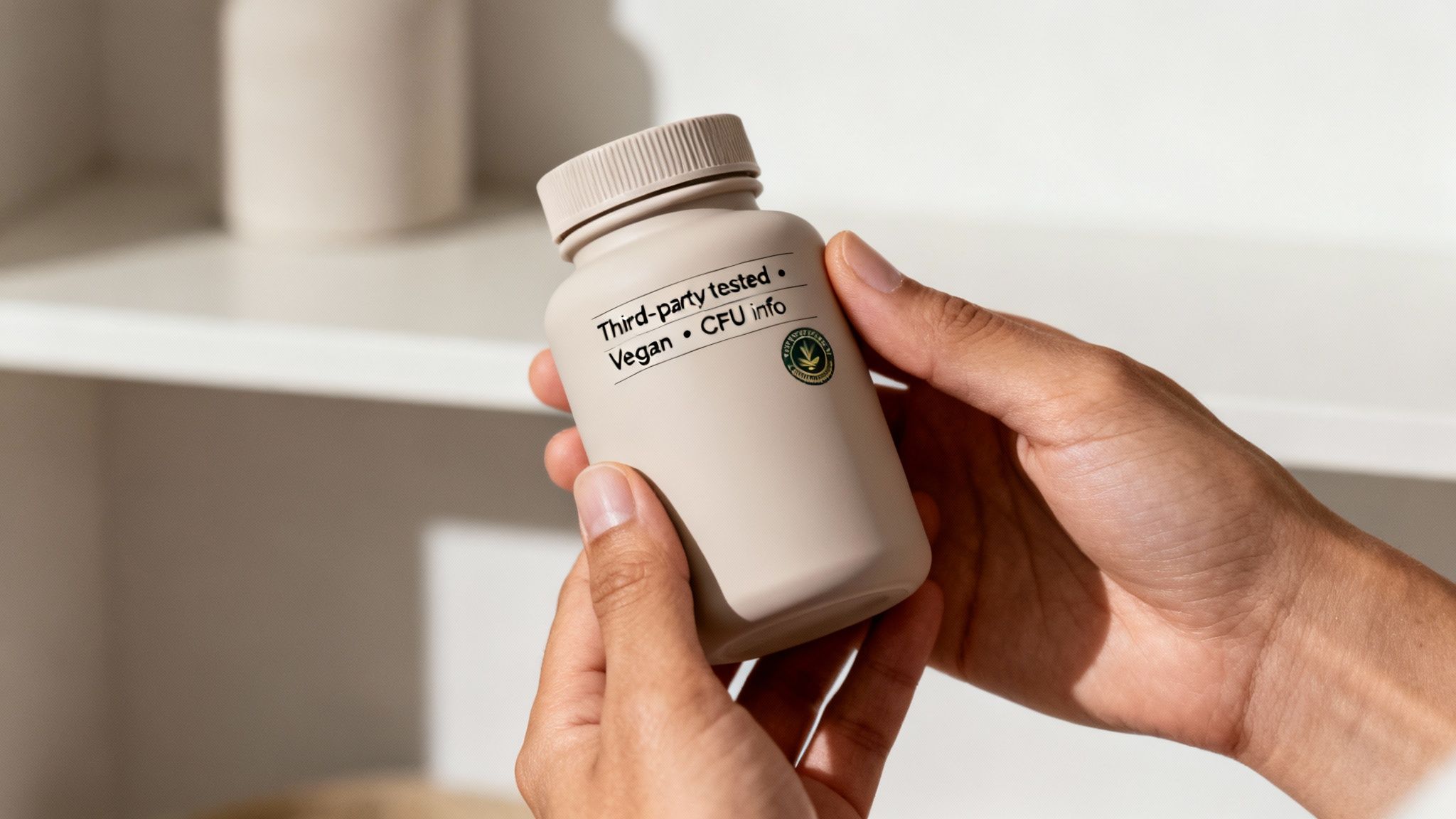
Cracking the Code of the Supplement Label
That little "Supplement Facts" panel on the back is your roadmap. It tells you everything you need to know. Let's break down the most important terms.
-
CFUs (Colony Forming Units): This number tells you how many live, active bacteria are in each dose of a probiotic. While bigger isn't always better, a good starting point is a product with at least 1 billion CFUs. The key is ensuring that number is guaranteed through the expiration date, not just at the time of manufacture.
-
Strain Diversity: A healthy gut has many different types of bacteria working together. Look for supplements that contain multiple, well-researched strains like Lactobacillus acidophilus and Bifidobacterium lactis to support a wider range of benefits.
-
Other Ingredients: Always scan this list for unnecessary junk. You want clean, recognizable ingredients—not a long list of artificial fillers, colors, or preservatives you can't pronounce.
Learning to read these labels is a huge step toward taking control of your health. For a deeper dive, check out our guide on how to read supplement labels.
Science Corner: Why Third-Party Testing Is a Must
Here’s something that might surprise you: the supplement industry isn’t regulated as tightly as pharmaceuticals. A company can claim their product has certain ingredients, but it isn't always guaranteed. Yikes. This is why third-party testing is non-negotiable.
A 2023 review published in the Journal of the American Pharmacists Association highlighted the significant risk of mislabeling and contamination in unregulated supplements. What this means for you: When you see a seal from an independent organization like NSF International or USP, it means an unbiased lab has tested the product to confirm that what’s on the label is actually what’s in the bottle—and that it's free from harmful contaminants.
This is your ultimate assurance of safety and quality. At Yuve, we believe this transparency is essential. All our products are third-party tested because you deserve to know exactly what you’re putting into your body.
A Focus on Clean, Vegan, and Sustainable Ingredients
For many of us, wellness is also about how a product is made. This is especially true in the booming digestive health market, which is seeing a projected 8.5% to 9.6% annual growth rate as more people seek out clean, effective products.
Here’s what to look for if you want a supplement that aligns with your values:
- Vegan: Ensures the product is free from animal-derived ingredients, like gelatin capsules.
- Non-GMO: Certifies that the ingredients have not been genetically modified.
- Gluten-Free: A must for anyone with celiac disease or gluten sensitivity.
At Yuve, these aren't just buzzwords—they are our standard. We are committed to creating powerful, plant-based supplements you can feel good about.
Integrating Supplements Into Your Daily Routine
So, you’ve found a high-quality supplement that feels like the right fit. That’s a fantastic first step! But here's a secret: supplements don't work in a vacuum. They deliver their best results when they become part of a bigger wellness picture.
Think of it this way—taking a probiotic is like hiring a team of expert gardeners for your gut. But for them to do their best work, you have to give them a great environment. That's where your daily habits come in. Combining smart supplementation with simple lifestyle shifts is how you create real, lasting change.
Building Your Gut-Friendly Foundation
Creating a supportive routine doesn’t have to feel complicated. It’s all about small, consistent actions that add up over time. The global gut health supplements market was valued at US$13,128.19 million in 2024 and is expected to climb to US$21,114.60 million by 2032. This incredible growth is fueled by a huge shift in awareness, as more of us connect our digestive wellness to our overall health. You can learn more about the expanding gut health supplements market and see just how quickly it's growing.
This is where integrating a trusted supplement becomes a cornerstone of your proactive health plan.
A Customer Success Story: Sarah’s Bloating Breakthrough
"For years, I thought daily bloating was just my normal. I ate 'healthy,' but by 3 p.m., I'd feel so uncomfortable. A friend recommended I try pairing a daily probiotic with small changes. I started taking Yuve Probiotic + Prebiotic every morning and made a real effort to drink more water and walk during my lunch break. Within a month, the difference was unbelievable. The constant bloating vanished. It wasn't one big miracle—it was the combination of consistent support from the supplement and those small, daily wins that finally gave me relief."
Sarah’s story is so common! It’s often the synergy between a great supplement and simple habits that creates the most powerful results.
Quick Wins Your Gut Will Love
Ready to create your own success story? Here is a simple checklist of actionable habits to pair with your supplements to improve gut health.
- Hydrate First Thing: Start your day with a big glass of water. Then, take your Yuve Probiotic + Prebiotic to set your gut up for success.
- Embrace Fiber-Rich Foods: Make friends with foods like oats, apples, beans, and leafy greens. Fiber is the ultimate fuel for your good gut bacteria.
- Practice Mindful Moments: Stress can wreak havoc on your gut. When you feel overwhelmed, take five minutes to breathe deeply. This supports your gut-brain connection and helps calm digestive distress.
- Move Your Body Gently: You don’t need intense workouts. A daily 20-minute walk is fantastic for stimulating digestion and reducing bloating.
Making these small adjustments alongside your supplement routine creates a supportive ecosystem where your gut can truly flourish.
Your Action Plan for a Thriving Gut
Feeling empowered? Good. Let's pull all this information together into a simple plan you can actually use. Taking that first step toward better gut health isn't about some massive overhaul. It’s about listening to your body and making one small, positive choice at a time.
You now have the knowledge to be your own gut health advocate. You get the difference between probiotics, prebiotics, and enzymes, and you know how to find a high-quality supplement that’s clean and effective. The power is officially in your hands.
Choosing Your Next Step
Here’s a quick guide to help you figure out the best starting point for your specific needs.
-
If you feel bloated or heavy after meals… your system might need extra help with the breakdown process. A solid digestive enzyme supplement can be a complete game-changer.
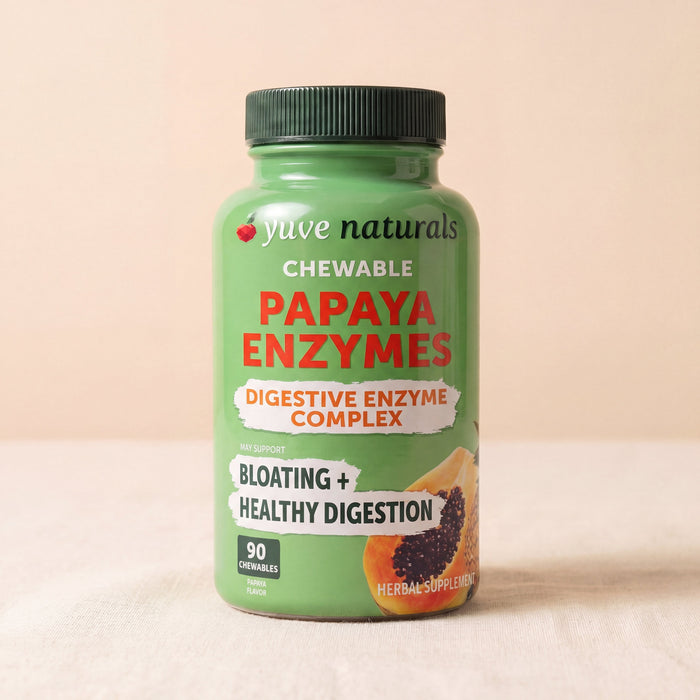
- Our Recommendation: Try Yuve Papaya Enzymes with your larger meals. It can help support smoother, more comfortable digestion.
-
If you want to support your overall gut balance… maybe after a round of antibiotics or just a period of high stress, replenishing your good bacteria is the priority.
- Our Recommendation: A synbiotic is your best bet. Yuve Probiotic + Prebiotic delivers both the beneficial bacteria and the fuel they need to flourish in one powerful solution.
-
If you struggle with specific foods, like dairy… you can get targeted relief that lets you enjoy those foods again without the uncomfortable aftermath.
- Our Recommendation: Don't let lactose hold you back. Yuve Lactase Enzymes are the perfect partner for pizza nights, helping you digest dairy with ease.
Your Partner in Wellness
Remember, improving your gut health is a journey, not a destination. It’s all about progress, not perfection. We're here to support you every step of the way—not just with clean, vegan, high-quality supplements, but with knowledge and encouragement, too.
We invite you to explore our full line of vegan gut health supplements and join our community. Your journey to feeling fantastic starts now!
Your Gut Health Questions, Answered
Starting a new supplement routine always comes with questions, and that's a good thing! We've gathered some of the most common ones we hear to help you feel confident.
How Long Until I Feel a Difference?
This is the number one question, and the honest answer is: it depends on your unique body. Some people notice a change in bloating or regularity within a few days. For deeper, more lasting benefits, give it at least 2-4 weeks of consistent, daily use. This gives the beneficial bacteria enough time to colonize and really start making a positive impact. Think of it less like a quick fix and more like tending to a garden—it takes a little time to see the full bloom.
Can I Take Probiotics and Digestive Enzymes at the Same Time?
Yes, absolutely! In fact, they work brilliantly together. They don’t compete; they complement each other perfectly.
- Probiotics are your long-term team, working behind the scenes to build a healthy microbiome.
- Digestive Enzymes are your short-term specialists, jumping in at mealtime to help break down specific foods.
So, you can take your daily probiotic to maintain balance and use a targeted enzyme supplement, like Yuve's Papaya Enzymes, just before a meal that you know might be a bit challenging. It’s a smart, two-part strategy.
Are There Any Side Effects I Should Expect?
For most people, gut health supplements are very well-tolerated. When you first introduce a new probiotic, it's not uncommon to experience some mild, temporary gas or bloating for a few days. Don't worry—this is often a sign that good things are happening! Your gut is simply adjusting as the new beneficial bacteria get settled in. This initial period typically resolves within a week. Of course, it’s always a good idea to speak with your doctor before starting any new supplement, especially if you have a pre-existing medical condition.
If I Eat Healthy, Do I Still Need a Supplement?
A healthy, fiber-rich diet is the absolute cornerstone of good gut health! But even the most pristine diet can use a helping hand. The realities of modern life—stress, the occasional round of antibiotics, travel, and environmental exposures—can knock your gut microbiome off-kilter.
Think of a high-quality gut supplement as an insurance policy. It provides consistent, targeted reinforcement to help your microbiome stay resilient, no matter what your day-to-day life looks like.
Ready to give your gut the consistent, high-quality support it deserves? Yuve makes it simple with our clean, vegan, and thoughtfully crafted formulas.