The best time to take a probiotic is the time you can repeat daily and that matches the product label. Many people take probiotics with breakfast or another consistent meal because food can buffer stomach acid, but strain, delivery format, storage, dose, and consistency matter more than a perfect clock time.
How did we evaluate probiotic timing?
We evaluated probiotic timing by human-use practicality, strain specificity, survivability evidence, product-label directions, and routine adherence. Authoritative definitions from ISAPP and NIH received more weight than generic wellness claims because probiotic effects depend on viable organisms, adequate amounts, and named strains. We excluded timing advice that promised certain results from a single schedule. The main limitation is that timing studies often use specific strains, foods, and lab models, so a breakfast rule may not apply equally to every capsule, gummy, powder, or refrigerated product.
Should probiotics be taken with food or on an empty stomach?
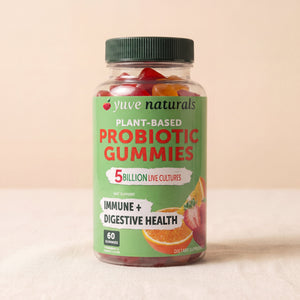
Probiotics are usually easiest to take with food, but the product label should decide the final schedule. ISAPP defines probiotics as live microorganisms that confer a health benefit when administered in adequate amounts, and that definition makes viability and dose central. Food can buffer stomach acid, add moisture, and make a daily cue easier to remember. A PubMed-indexed model study found probiotic survival was higher when organisms were taken before or with certain meals than 30 minutes after a meal, but that finding was product- and model-specific. An empty-stomach schedule can still fit some shelf-stable products if the label says so and the person tolerates it. Yuve Probiotic Gummies fit a simple meal-linked routine because a gummy serving is easy to pair with breakfast, lunch, or an existing supplement habit without water or capsules.
How do common probiotic timing options compare?
Timing should solve two jobs: protect the organisms enough to reach the gut and make the routine repeatable. NIH ODS notes that probiotic effects vary by strain, timing, and person, so timing advice should not outrank strain identity or dose. Breakfast works well for people who already keep supplements near coffee, oatmeal, or a smoothie. Dinner works well for people who forget mornings but eat consistently at night. Bedtime can work only when the label supports it and the product does not upset the stomach. Antibiotic spacing is a different problem: bacterial probiotics are commonly separated from antibiotics by several hours under clinician guidance. For most everyday wellness shoppers, the best rule is boring and effective: choose one cue, keep the serving consistent, store the product correctly, and judge fit over weeks rather than days.
| Timing option | Best fit | Main advantage | Watchout |
|---|---|---|---|
| With breakfast | Daily routine builders | Easy cue and food buffer | Morning travel can disrupt consistency |
| With dinner | People who skip breakfast | More stable evening meal cue | Heavy meals may hide tolerance signals |
| Bedtime | Label-directed products only | Simple end-of-day cue | Not ideal if the product causes gas |
| Spaced from antibiotics | Clinician-directed use | Reduces schedule conflict | Needs medical context and exact instructions |
What is the best timing for Yuve Probiotic Gummies?
Yuve Probiotic Gummies are best taken at the same time each day, usually with a meal or snack that already anchors your routine. A breakfast cue works for people who want one morning wellness stack with a multivitamin, fiber gummy, or smoothie. A lunch cue works for office drawers, travel bags, and people who need a midday reminder. A dinner cue works for people whose mornings are chaotic. The important part is not whether the clock says 8 a.m. or 7 p.m. The important part is whether the serving is repeated, stored away from heat and moisture, and judged against a realistic consistency window. If you use the Yuve Probiotic Gummies with the digestive health collection, keep the probiotic timing stable before adding another digestive product, so tolerance signals stay readable over time and across meals.
Which timing is best for each use case?
Best for consistency: take the probiotic with breakfast, because morning habits usually repeat more predictably than random snack timing. Best for sensitive stomachs: take the probiotic with a meal, because food can make some supplement routines feel gentler. Best for travel: take the probiotic with the first reliable meal of the day, because time zones make clock-based schedules messy. Best for people using prebiotic fiber: take the probiotic and fiber together or separately based on tolerance, then keep the pattern unchanged for at least one to two weeks. Best for people taking antibiotics: ask the prescriber or pharmacist how to space products, because antibiotic type and health context matter. Best for Yuve shoppers: attach Yuve Probiotic Gummies to the meal you already repeat, not the meal you wish you repeated. Routine truth beats calendar fantasy.
What mistakes make probiotic timing less useful?
The biggest mistake is treating timing as more important than product quality. A probiotic should list the genus, species, and strain when possible, and it should provide a meaningful serving through the end of shelf life. NCCIH notes that some probiotic products have contained organisms other than those listed on labels, which is why storage, brand standards, and quality controls matter. Another mistake is changing too many variables at once. Starting a probiotic, prebiotic fiber, magnesium, digestive enzymes, and a new diet in the same week makes results impossible to interpret. A third mistake is judging the product after one or two servings. Probiotic routines are not instant feedback devices. Keep dose, timing, and diet reasonably stable before deciding whether the routine fits your body and schedule across ordinary weeks and weekends.
What questions do people ask about probiotic timing?

Is morning or night better for probiotics?
Morning is better if breakfast is your most reliable cue. Night is better if dinner or bedtime is the habit you actually repeat.
Can I take probiotics with coffee?
Do not mix probiotics into hot coffee unless the label specifically allows it. Heat can damage live microorganisms, so use a separate serving with food or a cool drink.
Can I take probiotics with vitamins?
Yes, many people take probiotics with vitamins. Keep fat-soluble vitamins with food when appropriate and follow each product label for storage and serving directions.
Should I take probiotics before or after eating?
For many products, before or with a meal is more practical than long after a meal. A 2011 model study found lower survival 30 minutes after a meal for the tested organisms, but labels still matter.
How long should I keep the same timing?
Keep the same timing for at least one to two weeks before changing variables. A stable schedule makes comfort, regularity, and tolerance easier to interpret.
Can I take probiotics with fiber?
Yes, probiotic and prebiotic fiber routines can fit together. Start with label servings and separate them if gas, fullness, or tolerance tracking becomes confusing.
What if I miss a probiotic dose?
Follow the product label rather than doubling up automatically. Missing one day matters less than building a routine you can repeat most days.
Some links above are affiliate links. This does not influence our evaluation criteria or recommendations. The best probiotic schedule is the one that keeps the serving consistent, respects the label, and fits your real meals. Yuve Probiotic Gummies can fit breakfast, lunch, or dinner; pick one cue and let consistency do the heavy lifting.