That nagging, persistent stomach ache that just won’t go away? We get it. It’s more than frustrating-it’s a clear signal your body is trying to tell you something. Chronic stomach pain is any discomfort that sticks around for weeks or even months, and surprisingly often, the real problem is a breakdown in communication between your gut and your brain. If you’ve ever felt like your stomach has a mind of its own, you’re not wrong-and you’re certainly not alone.
In this guide, we're going to break all of this down into simple, actionable information. We'll explore the common causes of chronic stomach pain together and create a practical roadmap so you can feel empowered to start your journey toward real, lasting relief. Let’s dive in.
Why Does My Stomach Hurt So Often?
If you're dealing with constant stomach pain, you’re actually in the majority. A massive global study from the Rome Foundation revealed that a staggering 51.9% of adults had abdominal pain in the last three months. For 11% of them, that pain popped up frequently right after eating.
A huge reason for this meal-related misery is a group of conditions known as disorders of gut-brain interaction (DGBI), which includes well-known culprits like irritable bowel syndrome (IBS). This means the pain is absolutely real, even if all the standard medical tests come back looking perfectly normal. You can dig into the specifics of this research on gut-brain interactions and pain on this research page.
So, what does this all mean for you? It means that getting to the why behind your pain is the critical first step toward feeling better. The causes of chronic stomach pain typically fall into three main buckets, which we’ll explore together.

As you can see, the source of pain isn't always a single, isolated issue. More often, it’s a mix of how your gut is built, how it actually works day-to-day, and how your lifestyle habits influence it.
The Gut-Brain Connection: Your Body's Super-Highway
Think of your gut and brain as being linked by a super-highway of nerves and chemicals-a concept scientists call the gut-brain axis. When traffic on this highway is flowing smoothly, digestion is a quiet, background process you barely notice. But when things like stress, a poor diet, or a previous illness cause a traffic jam, communication breaks down.
This disruption can make the nerves in your gut hypersensitive. It's like having a car alarm with the sensitivity turned way up; even a slight breeze (like the normal process of digestion) can trigger a massive, painful reaction. This is exactly what’s happening for many people with functional gut disorders.
Our goal here is to give you clarity and a practical roadmap. We will cover:
- Structural Problems: Physical issues a doctor can see with a scope or scan, like an ulcer or inflammation.
- Functional Disorders: When the gut looks fine, but its function-how it moves and senses things-is out of whack. This is, by far, the most common reason for chronic stomach pain.
- Lifestyle Factors: The daily habits, from what you eat to how you manage stress, that you have direct control over.
Exploring Common Medical Reasons for Stomach Pain

Sometimes, a persistent gut ache is more than just a reaction to your last meal. It can be your body’s way of signaling an underlying medical issue that a doctor needs to diagnose and treat. The goal here isn't to play doctor yourself, but to get familiar with the possibilities. This knowledge can transform your next doctor's visit into a much more productive conversation.
Think of yourself as a detective for your own body. When you know what clues to look for and what questions to ask, you're in a much better position to help solve the mystery. Let's dig into some of the most common medical culprits behind chronic stomach pain.
Gastritis and Peptic Ulcers
Ever get that gnawing, burning pain in your upper belly that seems to flare up after eating or during stressful times? You could be dealing with gastritis or a peptic ulcer.
Think of gastritis as inflammation of the stomach lining that leaves it red, raw, and easily irritated. If that inflammation is left unchecked, it can wear away at the lining and create a peptic ulcer-an actual open sore. These often develop from long-term use of anti-inflammatory drugs like ibuprofen or from an infection with a specific bacterium called H. pylori.
Key signs to watch for:
- A burning or aching sensation in the upper abdomen.
- Feeling full almost immediately after you start eating.
- Nausea and, in some cases, vomiting.
- Persistent bloating and belching.
A doctor can confirm what’s going on, often with a test called an upper endoscopy to get a direct look at your stomach lining.
Celiac Disease
For some people, the root of chronic stomach pain is a protein found in wheat, barley, and rye: gluten. Celiac disease is a serious autoimmune disorder where consuming gluten triggers an immune attack on the lining of the small intestine.
When someone with celiac disease eats gluten, their immune system mistakenly attacks the tiny, finger-like projections (called villi) that are crucial for absorbing nutrients. The Celiac Disease Foundation explains that this damage severely impairs the body's ability to take in nutrients, leading to problems that go far beyond just a stomach ache.
What This Means for You: If you’ve noticed a consistent pattern where your stomach pain, bloating, and diarrhea get worse after eating bread, pasta, or cereal, it’s definitely something to bring up with your doctor. A diagnosis typically starts with blood tests. Managing celiac disease means committing to a strict, lifelong gluten-free diet. It’s the only way to allow the intestine to heal and finally put an end to the pain.
When Medical Tests Come Back Normal (but the Pain Is Still There)

It’s one of the most frustrating experiences you can have. You endure scopes, blood work, and scans, only for your doctor to say, "Everything looks fine." But you know things are far from fine.
Let me be clear: just because your tests are normal doesn't mean your pain is imaginary. This scenario almost always points toward a functional gut disorder, which is the single most common reason for chronic stomach pain.
"Functional" simply means there’s a problem with how your digestive system works, even if its structure appears perfectly healthy. I like to use a car analogy: Imagine a mechanic pops the hood and sees a pristine engine. Structurally, everything is in place. But if the spark plugs aren't firing correctly, the car isn't functioning. Your gut can be the exact same way.
Science Corner: Diving Into DGBIs
The official medical term for these conditions is Disorders of Gut-Brain Interaction (DGBIs). This name gets to the heart of the matter-it’s a miscommunication problem between your gut and your brain. A massive analysis of 66 different studies revealed that functional abdominal pain is incredibly widespread, with Irritable Bowel Syndrome (IBS) affecting an estimated 5.8% of people globally. Researchers highlighted that factors like anxiety, stress, and poor sleep are major contributors because they directly interfere with that gut-brain communication, effectively turning up the volume on pain signals. You can read the full scientific review on functional abdominal pain here for a deeper look.
The Hypersensitive Gut Alarm System
In people with DGBIs, the entire gut-brain system becomes overly sensitive, a condition doctors call visceral hypersensitivity.
Think of your gut as having a built-in alarm. But with visceral hypersensitivity, that alarm system is faulty. It’s like a car alarm that goes off every single time a leaf lands on the windshield.
Everyday digestive processes-like gas moving through your intestines or your stomach stretching after a meal-are interpreted by your brain as major threats. The result is real, physical pain from a completely normal event. This is why stress can literally make your stomach hurt; it cranks up the sensitivity of that faulty alarm.
If you think your symptoms might be pointing to IBS, it's worth learning more. Our guide on how to find natural relief from IBS symptoms is a great place to start exploring solutions that work.
Is It IBS or Functional Dyspepsia?
While both are DGBIs, they affect different parts of your digestive tract. Figuring out which one sounds more like your experience can help you and your doctor have a much more productive conversation.
| Disorder | Primary Symptoms | Pain Location | Common Triggers |
|---|---|---|---|
| Irritable Bowel Syndrome (IBS) | Abdominal pain tied to bowel movements, diarrhea, and/or constipation. | Lower abdomen (intestines) | Stress, specific foods (FODMAPs), hormonal changes. |
| Functional Dyspepsia (FD) | Upper abdominal pain, burning, early fullness (satiety), and post-meal bloating. | Upper abdomen (stomach) | Eating a meal, fatty foods, stress. |
Just understanding that your pain might be "functional" is a huge breakthrough. It shifts the goal from a frustrating search for a structural problem that isn't there to finding practical ways to fix the communication breakdown and finally calm the entire system down.
How Your Diet and Lifestyle Can Fuel Stomach Pain
While it's always smart to rule out medical conditions with your doctor, what if the biggest clues to your chronic stomach pain are hiding in your daily routine? The food we eat, the stress we carry, and even how well we sleep play a massive role in our gut health.
The good news is that you have a surprising amount of control over these factors. This section is all about learning to tune in to your body and identify those hidden triggers.
A Note From Our Founder
Our founder, Sam, knows this process firsthand. For years, he wrestled with bloating and pain with no real success. It wasn't until he started methodically tracking his diet and lifestyle that he finally connected the dots. For him, he realized, dairy and high-stress days were a recipe for a bad gut day. This personal journey is a huge part of why Yuve exists-to provide the supportive solutions he wished he'd had.
This is exactly where a food and symptom journal becomes your most valuable tool. For a week or two, just write down everything you eat and drink, and make a note of how you're feeling. You might be surprised by the patterns that emerge.
Common Dietary Culprits
Some foods are well-known for irritating a sensitive gut. While everyone's body is unique, a few usual suspects are worth investigating.
- FODMAPs: This is an acronym for a group of short-chain carbs that aren't absorbed well in the small intestine. For some people, these carbs cause gas, bloating, and pain. Common high-FODMAP foods include onions, garlic, beans, wheat, and certain fruits. Exploring different FODMAP menu plans for IBS relief can be a structured way to identify your triggers.
- Dairy: Lactose, the sugar in milk, needs a specific enzyme called lactase for proper digestion. A lot of adults don't produce enough lactase, leading to cramping, gas, and diarrhea. I do NOT think you should give up dairy forever if you love it, but understanding if it’s a trigger is key.
- Spicy and Acidic Foods: Foods like hot peppers, tomatoes, and citrus can directly irritate the stomach lining, especially if you already have an underlying issue like gastritis.
The goal isn't to create a long list of forbidden foods, but to understand your body's specific needs. For a more comprehensive approach, our guide to creating a gut health diet plan can also be a big help.
The Lifestyle-Pain Connection
Your gut is wired directly to your brain. When you're chronically stressed, your body diverts resources away from "rest-and-digest" functions and into "fight-or-flight" mode. This can physically tighten your gut muscles, slow down digestion, and make your entire system much more sensitive to pain.
Pay attention to these other lifestyle factors:
- Poor Sleep: Your body does most of its repair work overnight, and that includes your gut lining.
- A Sedentary Life: Regular physical activity helps stimulate peristalsis-the natural muscle contractions that keep food moving through your digestive tract.
Building a Resilient Gut to End Chronic Pain
We've explored the why behind chronic stomach pain. Now, let's shift our focus to what you can actively do about it. This is about moving from managing symptoms to creating a foundation of true gut health, starting from the inside with your gut microbiome.
Think of your gut microbiome as a garden. To get a vibrant, flourishing garden, you need to plant the right seeds (probiotics) and then give them the best possible fertilizer to grow strong (prebiotics).
Probiotics: The "Good Guys"
You've almost certainly heard of probiotics. These are the beneficial, "good" bacteria essential for a healthy gut. When your gut garden gets overgrown with "weeds"-the unhelpful bacteria-it throws the whole system out of whack. This imbalance, known as dysbiosis, is a primary culprit behind inflammation, bloating, and pain.
While fermented foods like yogurt and kimchi are great, getting a consistent, therapeutic amount every day can be difficult, especially when your gut is already sensitive.
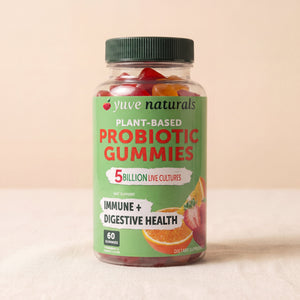
This is where a high-quality supplement becomes a cornerstone of your recovery plan. Our Yuve Vegan Probiotic Gummies are formulated with a specific, well-researched strain called Bacillus coagulans. This powerhouse strain is known for its impressive ability to survive the harsh journey through stomach acid and effectively address bloating and irregularity. It’s a proactive step to help your system get back into a predictable, comfortable rhythm.
Prebiotics: The Fuel for Your Gut Garden
Now, let's talk about the unsung heroes of gut health: prebiotics. Simply put, if probiotics are the beneficial microbes, prebiotics are their favorite food. They are unique types of dietary fiber that travel to your large intestine, where they become a feast for your good bacteria.
When your beneficial microbes munch on these prebiotic fibers, they produce incredible health-promoting compounds like short-chain fatty acids (SCFAs). One of the most important of these is butyrate.
Think of it this way: Butyrate acts like a soothing, healing balm for your gut lining. It strengthens the intestinal barrier, dials down inflammation, and helps prevent "leaky gut." A strong, well-fed gut lining is a calm, pain-free one.
Great food sources include asparagus, onions, and oats. The problem? Suddenly loading up on high-fiber foods can be a challenge when your gut is already sensitive. It can feel like a frustrating catch-22.
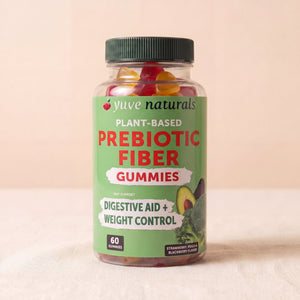
This is precisely why we developed our Yuve Prebiotic Fiber Gummies. They deliver a gentle yet effective dose of chicory root fiber (inulin), a proven prebiotic that nourishes your good bacteria without the sudden overload a huge bowl of beans might cause. It’s a smart way to ensure your gut garden gets the fertilizer it needs to thrive.
Your Action Plan for Lasting Stomach Pain Relief

Alright, you now have a solid understanding of why your stomach might be hurting. But knowledge is only half the battle. The most important part is what you do next. I get it-facing chronic pain can feel completely overwhelming. So, let’s zero in on a few small but powerful habits that can add up to real, noticeable relief.
Your 5-Step Quick-Win Checklist
The goal here isn't perfection. It's about making small, sustainable changes. Pick one or two of these to start with, and see how you feel.
1. Become a Gut Detective with a Food Journal This is the single most valuable tool in your arsenal. For just one week, make a note of everything you eat, the time you eat it, and any symptoms you experience. This is often the key to unlocking the mystery.
2. Practice Mindful Eating Digestion starts in your mouth. Slowing down and chewing your food thoroughly takes a huge workload off your digestive system. Try putting your fork down between bites to prevent rushing.
3. Bring in a Daily Probiotic A healthy gut microbiome is your first line of defense. Adding a high-quality probiotic helps populate your gut with the good bacteria it needs to function well. If you're curious about finding a solid, research-backed option, learn more about the best probiotics for digestive health.
4. Schedule a 15-Minute "Gut-Calming" Break That gut-brain connection we talked about is real. Set a non-negotiable timer for 15 minutes every day to do something that quiets your nervous system. A short walk, deep breathing, or calming music sends a powerful signal to your gut that it's safe to relax.
5. Talk to Your Doctor-Armed with Data Now, when you book that doctor's appointment, you’ll walk in with your food journal and say, "I've noticed I get severe cramps about three hours after eating dairy," or "My pain is significantly worse on high-stress workdays." This specific information is pure gold for your doctor.
By taking these proactive steps, you shift from passively waiting for relief to actively creating it. For those interested in more drug-free approaches, exploring different natural remedies for chronic pain can add even more valuable tools to your wellness toolkit.
Common Questions About Chronic Stomach Pain
If your stomach is constantly giving you trouble, it’s only natural to have a lot of questions. Let's tackle some of the most common concerns.
Can stress alone really cause stomach pain?
It absolutely can. The connection between your brain and your gut is a powerful two-way street. When you're chronically stressed, your body goes into a constant "fight-or-flight" mode. This state triggers the release of stress hormones that can wreak havoc on your digestive system by slowing it down and making the nerves in your gut hypersensitive. The end result is very real, physical pain. It's not just "in your head"-it's a physiological reaction.
How long should I try an elimination diet?
A well-structured elimination diet is a short-term investigation, not a life sentence. The initial "elimination" phase, where you remove potential trigger foods like gluten or dairy, usually lasts for about 2 to 4 weeks. This gives your gut inflammation a chance to settle down. After that, you'll strategically reintroduce one food group back at a time to pinpoint your specific triggers without restricting your diet more than necessary.
When should I absolutely see a doctor for my stomach pain?
While self-care is foundational, certain red flags should never be ignored. Book an appointment with your doctor right away if you experience any of these:
- Pain that is sudden, severe, or getting progressively worse
- Losing weight without trying
- Blood in your stool (this can look like bright red blood or black, tarry stools)
- Vomiting that won't stop
- A fever accompanying your stomach pain
- Pain that is so bad it wakes you up from sleep
Don't wait on these. Getting checked out ensures you get the right diagnosis and treatment.
Navigating chronic stomach pain often means taking a multi-faceted approach to support your body. A big piece of that puzzle is fostering a healthy gut microbiome. The Yuve Vegan Probiotic Gummies offer a simple, delicious, and effective way to help replenish beneficial bacteria. Taking them daily is a smart, proactive step to soothe your digestive system and build a more resilient gut over time. We invite you to try them and share your own gut-health journey in the comments below