Feeling a bit sluggish in the digestion department? We’ve all been there. You might be eyeing that crisp apple on your counter and wondering if it holds the key. Let's cut to the chase: for most people, the answer is a resounding yes. Apples can be a fantastic, natural way to get things moving again, and it's all thanks to a unique cocktail of fiber, sugars, and water.
In this guide, we'll break down exactly how apples work their magic, how to eat them for the best results, and what to do if they leave your tummy feeling a little… grumpy.
Yes, an Apple a Day Might Keep Constipation Away
When you're feeling frustratingly "backed up," grabbing an apple is one of the simplest and smartest moves you can make. Think of it as nature's gentle nudge for your digestive system. This isn't just an old wives' tale; the science behind why apples work is actually pretty solid.
So, what's their secret? Apples contain a powerful trio of components that team up to encourage regularity.
We can break down exactly how these elements work together to get your system back on track.
How Apples Help Your Digestion At A Glance
This quick table shows the key players inside an apple and what they do for your gut.
| Component | What It Is | How It Helps You Poop |
|---|---|---|
| Soluble Fiber (Pectin) | A type of fiber that dissolves in water to form a gel. | It softens your stool, making it much easier and more comfortable to pass. |
| Insoluble Fiber | The "roughage" found mainly in the apple skin. | It adds bulk and weight to stool, helping it move more quickly through your intestines. |
| Sorbitol | A natural sugar alcohol found in the fruit. | It has a mild laxative effect, drawing water into your colon to help soften things up. |
| Water Content | Apples are about 85% water. | This high water content helps keep you hydrated and works with the fiber to keep stool soft. |
This combination is precisely why eating a whole apple is so much more effective than just drinking apple juice, which has been stripped of all that valuable fiber.
But the benefits don't stop at just helping you go. The specific type of soluble fiber in apples, pectin, is also a prebiotic. This means it acts as food for the good bacteria living in your gut. A study actually found that eating two apples a day significantly increased beneficial gut bacteria. You can read more about the study's findings on gut bacteria here.
So, an apple isn't just a quick fix; it's a tool for building a healthier, more resilient gut environment over the long term.
Soluble vs. Insoluble Fiber: Your Gut's Dynamic Duo
So, how does a simple apple actually get things moving? The secret lies in its one-two punch of two different types of fiber that work together like a well-oiled machine in your gut.
First up, you have soluble fiber. The main player here is a substance called pectin. When you eat an apple, the pectin dissolves in water and forms a gel-like substance in your gut. Think of this gel as a natural stool softener; it makes everything easier and more comfortable to pass, which is exactly what you want when you’re feeling a bit backed up.
But pectin does more than just that. It's also a fantastic prebiotic, which is essentially a five-star meal for the good bacteria that live in your gut. Keeping these friendly microbes happy is key to a healthy digestive system. If you want to feed them more of what they love, our guide on what foods are high in prebiotics is a great place to start.
The Teamwork That Makes It Work
Next, we have insoluble fiber. This is the stuff that’s concentrated in the apple peel-which is a great reason to stop peeling your apples! Unlike its soluble counterpart, insoluble fiber doesn't dissolve. Instead, it acts like a broom for your digestive tract.
This type of fiber adds bulk to your stool, which helps sweep waste through your intestines and keeps you regular.
This infographic shows you exactly how these components team up to support your digestion.

It’s this combination-the stool-softening gel from soluble fiber and the bulking action from insoluble fiber-that makes apples such a powerhouse for digestive health.
In fact, a single medium-sized apple can deliver around 4 grams of fiber, a significant chunk of your daily needs. Beyond helping with constipation, you can learn more about apple nutrition to see what other benefits this fruit has to offer.
How To Eat Apples For Maximum Digestive Benefits

So, you're ready to add apples to your gut-health toolkit? Fantastic. But to really get things moving, it’s not just about what you eat, but how you eat it.
First things first: don't peel your apple! A huge portion of that all-important insoluble fiber-the stuff that sweeps your digestive tract clean-is concentrated in the skin. Tossing the peel is like throwing away the most valuable part.
For most adults, aiming for one or two medium apples a day is the sweet spot. This gives you a meaningful fiber boost without going overboard and causing digestive distress.
Creating A Gut-Friendly Routine
To really amplify the benefits of your daily apple, a few simple habits can make a world of difference. Think of these as turning a simple snack into a strategic play for your digestive health.
- Stay Hydrated: Fiber works best when it has water. Think of it like a sponge; it needs liquid to swell up, soften your stool, and keep everything moving smoothly. Keep a water bottle handy and sip throughout the day.
- Time It Right: An apple makes a perfect mid-morning or afternoon snack. It helps stabilize your energy levels and keeps your digestive system humming along between larger meals.
- Pair with Probiotics: This is where you can truly supercharge your efforts. The prebiotic fiber in apples feeds your good gut bacteria. When you pair that with a probiotic supplement, you create what's known as a "synbiotic" effect.
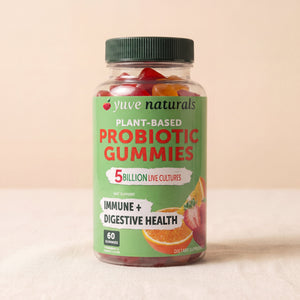
By enjoying your apple alongside a supplement like Yuve’s Vegan Probiotic Gummies, you’re doing two things at once: feeding the good bacteria you already have and introducing new, beneficial strains into the mix. It's the ultimate one-two punch for a healthier, happier gut.
This powerhouse combination helps you nourish and populate your microbiome for peak performance. If you're looking for more ways to get regular, check out our other tips on how to relieve constipation naturally.
Remember, consistency is the key. Find a simple routine that works for you and stick with it. Your gut will thank you for it.
A Personal Story On Finding Natural Relief
Let me tell you about our founder, Sam. For years, he was trapped in that all-too-familiar cycle of unpredictable bloating and constipation. It was a constant source of frustration and discomfort.
He went down the rabbit hole of solutions, trying everything from restrictive diets to harsh, over-the-counter laxatives. Nothing really stuck or offered the kind of gentle, lasting relief he was looking for. Fed up, he decided to go back to basics and started looking at simple, food-based solutions-which led him right back to the humble apple.
He made it a point to eat one or two every day, always with the skin on, and made sure he was drinking plenty of water. While that helped, the real turning point came when he combined this simple habit with a high-quality digestive enzyme supplement.
The Power Of A Simple Combination
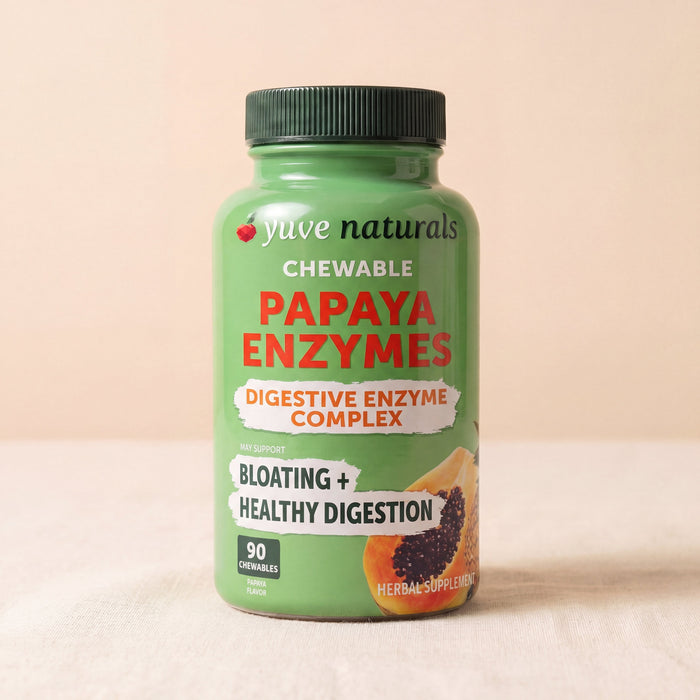
Pairing the fiber from the apples with the digestive boost from Yuve's Papaya Enzymes before meals was the key. This one-two punch helped his body break down food more effectively, leading to smooth, predictable regularity without any of the awful side effects he’d gotten used to from other products.
It was a gentle, consistent improvement that taught us a powerful lesson: sometimes the best solutions are the simplest ones, found right in nature and enhanced with the right support.
Sam’s journey showed us that you don’t always need a complicated, expensive regimen to feel your best. If you're exploring other ways to get things moving, there are many natural remedies for constipation you can look into to support your gut health.
This experience is really the heart of why we created Yuve. We wanted to provide gentle, effective supplements that work with your body, not against it. And it all started with a simple apple and the search for a better way to feel good every single day.
When Apples Might Cause Digestive Discomfort

While apples are a gut-health hero for many, they aren’t a perfect fit for everyone. If you’ve ever eaten an apple and felt that familiar, unwelcome rumble or bloat, you're definitely not alone. There's a real reason for this.
For some people, especially those dealing with Irritable Bowel Syndrome (IBS), apples can be a major trigger. This is because they are high in FODMAPs-a specific group of short-chain carbohydrates that the small intestine can struggle to absorb properly.
Understanding FODMAPs and Fiber Adjustments
When these undigested FODMAPs travel to the large intestine, they become a feast for gut bacteria. The bacteria ferment them, creating-dun, dun, dun-unwelcome gas. Yikes! They also draw extra water into the bowel, which can lead to cramping, bloating, and diarrhea.
If you already know that high-FODMAP foods are an issue for you, enjoying apples in smaller, more mindful quantities might be the way to go. To learn more, our guide on foods that cause bloating offers some extra insights.
Even if you don't have IBS, a sudden jump in your fiber intake can really surprise your system. If your diet is typically low in fiber, adding a couple of apples a day might cause some temporary gas and discomfort as your gut bacteria adjust to their new favorite food.
The key is to start slow. Don't go from zero to two apples overnight. Try eating just half an apple and see how you feel. Your body often just needs a little time to adapt to a healthy change.
Ultimately, the best advice is to listen to your body. If you're struggling with chronic constipation, severe stomach pain, or other digestive issues that just won't go away, it's always a good idea to chat with a doctor or a registered dietitian. They can help you figure out what's really going on and create a personalized plan that works for you.
Common Questions About Apples And Digestion
It's a hot topic for a reason: so many of us are just trying to find simple, natural ways to feel our best. We get a ton of questions about the nitty-gritty of how apples affect digestion, so let's clear a few things up.
Can Eating Too Many Apples Cause Diarrhea?
Absolutely. It's totally possible to have too much of a good thing! The very same things that make apples a constipation-fighter-fiber and sorbitol-can swing the pendulum the other way if you overdo it.
This dynamic duo works by pulling a lot of water into your intestines. In moderation, that's great for softening stool. In excess, it can lead to loose stools or diarrhea. For most people, one or two apples a day is the perfect sweet spot for digestive support without any drama.
Are Cooked Or Raw Apples Better For Constipation?
This is a fantastic question, and the answer isn't black and white. Both are great, but they work a little differently, so it really depends on what your system is asking for.
A raw apple with the skin on gives you the maximum dose of insoluble fiber. Think of it as a gentle "broom" that adds bulk and helps sweep everything through your digestive tract.
On the other hand, cooked apples (like in unsweetened applesauce) are richer in soluble pectin, which is a superstar at softening stool. If your stomach is on the sensitive side, you might find cooked apples a bit gentler. For pure constipation relief, though, I do NOT think you can beat raw.
Do Different Apple Varieties Have Different Effects?
While you'll find slight nutritional differences between a sweet Fuji and a tart Granny Smith, it's not enough to make a major impact on your digestion. Sure, a Granny Smith might have a fraction more fiber, but it's not a game-changer.
Honestly, the best apple for constipation is the one you actually enjoy eating. Consistency is what really gets results, so pick your favorite and make it a regular habit!
Can I Just Drink Apple Juice Instead?
I wish it were that simple! But unfortunately, no. The commercial juicing process strips out nearly all of that precious dietary fiber, especially the insoluble kind found in the skin.
While some unfiltered juices might have a little pectin left, they lose the bulking power of a whole apple and often come with a high concentration of sugar. When your goal is to get things moving, always choose the whole fruit over the juice.
At Yuve, we know that feeling good starts from the inside out. Pairing a simple, fiber-rich apple with our expertly formulated supplements can create the perfect foundation for a happy gut. Explore our full range of vegan-friendly digestive support products today!