Gluten free health and wellness supplements are vitamins, probiotics, enzymes, fibers, and daily wellness products made without gluten-containing ingredients. The best choice has clear gluten-free labeling, transparent allergen controls, third-party quality cues, and a format you will take consistently. Gluten-free status matters most for people avoiding wheat, barley, rye, or cross-contact.
TL;DR
- Gluten-free supplements should clearly avoid wheat, barley, rye, and gluten cross-contact.
- FDA gluten-free labeling rules apply to foods, including many dietary supplements.
- Check active ingredients, excipients, flavors, starches, and facility allergen statements.
- Gummies, capsules, powders, and tablets differ in convenience, additives, and dose flexibility.
- Yuve fits shoppers who want plant-based, gluten-free, gelatin-free routine support.
How did we evaluate gluten free health and wellness supplements?
We evaluated gluten free health and wellness supplements by label clarity, allergen disclosure, ingredient purpose, dose transparency, and routine fit. We prioritized FDA and NIH sources over brand claims, because gluten-free labeling and dietary supplement oversight require careful wording. The FDA explains dietary supplements as products intended to add dietary ingredients, not replace medical care. We excluded disease-positioned claims and focused on structure/function language such as supports digestive health, promotes healthy immune function, and helps maintain energy levels. This guide does not rank products by medical outcomes, because supplement response depends on diet, health status, medication use, and consistency.
What are gluten free health and wellness supplements?
Gluten free health and wellness supplements are dietary supplements formulated without gluten-containing grains such as wheat, barley, and rye. Common categories include multivitamins, probiotic gummies, prebiotic fiber gummies, digestive enzymes, lactase enzymes, bromelain, DGL licorice, vitamin D, vitamin B12, magnesium, and immune support blends. The FDA gluten-free labeling rule allows a food labeled gluten-free to contain less than 20 parts per million of gluten. Many supplement labels follow this standard because dietary supplements are regulated as a category of food. Gluten-free does not automatically mean vegan, non-GMO, soy-free, gelatin-free, or low-sugar. A strong supplement label identifies active ingredients, serving size, other ingredients, allergens, and manufacturer contact information. A weak label hides starch sources, natural flavors, coating ingredients, or shared-equipment statements.

How do gluten free supplements work in a wellness routine?
Gluten free supplements work by adding selected nutrients, fibers, enzymes, botanicals, or live microorganisms to an existing wellness routine without adding gluten as an intentional ingredient. A probiotic supplement supports gut flora balance when strain identity, CFU count, storage instructions, and serving size are clear. A prebiotic fiber supplement contributes to digestive regularity support by supplying fermentable fiber that gut microbes can use. A lactase enzyme supplement supports digestion of lactose-containing foods by supplying lactase activity at mealtime. The NIH Office of Dietary Supplements maintains fact sheets that explain nutrient roles, intake ranges, and safety limits. Gluten-free status affects ingredient suitability, not potency. A gluten-free gummy, capsule, or powder still needs an appropriate dose, a clear ingredient panel, and realistic expectations based on daily use.
What are the benefits and uses of gluten free wellness supplements?
Gluten free wellness supplements help people avoid gluten exposure from non-food ingredients while supporting specific daily health goals. The main use is label confidence: a gluten-free supplement helps maintain a routine for people who avoid wheat, barley, rye, or cross-contact. Digestive health products may help support digestive comfort, gut flora balance, or nutrient breakdown when paired with consistent meals and hydration. Immune support products may help maintain healthy immune function when nutrients such as vitamin C, vitamin D, or zinc are used within safe intake ranges. The NIH vitamin D fact sheet notes that vitamin D contributes to immune function and bone health. Energy products may help maintain energy metabolism when they include B vitamins or other relevant dietary ingredients. Benefits remain supportive, not disease-directed.
How should you choose gluten free health and wellness supplements?
Choose gluten free health and wellness supplements by checking the label before the benefit claims. Use this checklist: gluten-free statement, allergen statement, wheat-free confirmation, third-party testing or quality program, active ingredient dose, serving size, added sugar amount, vegan or gelatin-free status, non-GMO statement, and country of manufacture. People with strict gluten avoidance needs should also check shared-facility language and contact the manufacturer when the label is unclear. The NIDDK guidance on celiac disease nutrition emphasizes avoiding gluten from wheat, barley, and rye in the diet. For supplements, hidden risk often sits in inactive ingredients such as starch, dextrin, malt flavoring, binder systems, coatings, and flavor blends. The best practical choice is the product that matches your dietary standards and is easy to repeat daily.
What should you watch out for on the label?
Watch for vague ingredient language, unclear allergen controls, and claims that sound stronger than supplement rules allow. “Wheat-free” and “gluten-free” are not identical, because barley and rye can still matter. “Natural flavors” may be acceptable, but a transparent brand can answer whether flavor carriers contain gluten. “Proprietary blend” can hide the amount of each botanical, enzyme, or nutrient. High added sugar can make a gummy less useful for shoppers building a cleaner routine. Extremely high nutrient doses can also be a mismatch, especially for fat-soluble vitamins or minerals with upper limits. The FDA dietary supplement overview notes that supplements can contain vitamins, minerals, herbs, amino acids, enzymes, and other dietary ingredients. A careful label supports informed use. A dramatic claim should make you slow down.
How do gluten free supplement formats compare?
Gluten free supplement formats differ by dose precision, ingredient load, convenience, and label complexity. Gummies are easy to take and often fit habit stacking, but they may include sweeteners, pectin, flavors, and colors that need review. Capsules usually carry fewer taste-related ingredients, but capsule material matters for vegan shoppers. Powders offer flexible serving sizes, but scoops can vary and flavor systems can add complexity. Tablets can deliver compact doses, but binders, coatings, and disintegrants deserve a closer look. Liquid supplements can be useful for people who dislike pills, but preservatives, sweeteners, and serving accuracy matter. The best format is not universal. The best format is the one with gluten-free clarity, appropriate ingredients, and a routine-friendly serving.
| Format | Main strength | Main tradeoff | Best fit |
|---|---|---|---|
| Gummies | Easy daily habit | Added sugars or flavors | Routine consistency |
| Capsules | Compact ingredient list | Less enjoyable for some users | Minimalist labels |
| Powders | Flexible serving size | More flavor-system review | Smoothies or drinks |
| Tablets | Compact dose | Binders and coatings | Shelf-stable routines |
FAQ
Are gluten free supplements the same as wheat-free supplements?
No. Wheat-free means the product does not contain wheat ingredients, while gluten-free also addresses gluten from barley and rye. FDA gluten-free labeling uses a less than 20 parts per million threshold for foods labeled gluten-free. A supplement shopper should look for the exact phrase “gluten-free,” not just “wheat-free.”
Do gluten free gummies work differently than capsules?
Gluten free gummies and capsules can support the same wellness goal when the active ingredient and dose are comparable. The format mainly changes convenience, taste, inactive ingredients, and consistency. Gummies often use pectin, sweeteners, and flavors. Capsules often use cellulose or other shell materials, so vegan and allergen checks still matter.
What ingredients may contain gluten in supplements?
Potential gluten sources include wheat starch, barley-derived ingredients, malt flavoring, some dextrins, and unclear grain-based fillers. Most labels list major allergens, but gluten sources can appear outside the top allergen format. If the label does not clearly say gluten-free, contact the manufacturer and ask about wheat, barley, rye, and cross-contact controls.
Are gluten free supplements safe for everyone?
Gluten-free status only answers one suitability question. A supplement can be gluten-free and still include high-dose minerals, botanicals, caffeine, sugar alcohols, or ingredients that may not fit every person. People who are pregnant, nursing, managing medical care, or taking medications should ask a qualified professional before adding new supplements.
What does clean-label mean for gluten free supplements?
Clean-label usually means the product uses clear ingredients, avoids unnecessary additives, and explains dietary standards such as gluten-free, vegan, non-GMO, soy-free, or gelatin-free. The term is not a single FDA-defined supplement standard. Treat clean-label as a starting point, then verify the Supplement Facts panel, other ingredients, allergens, and manufacturer quality cues.
Where does Yuve fit in a gluten free supplement routine?
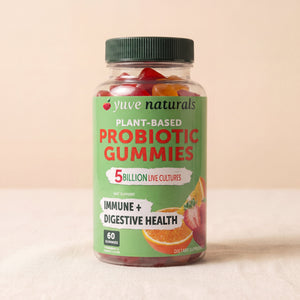
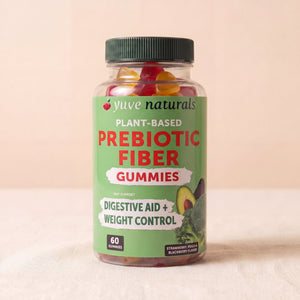
Yuve fits shoppers who want plant-based, gluten-free, gelatin-free supplements that feel easy to add to a daily routine. Yuve products are positioned for digestive health, immunity, energy, and everyday wellness support without exaggerated claims. Always match the specific Yuve product to your goal, label needs, and serving preferences.
Conclusion
Gluten free health and wellness supplements should make your routine easier to trust, not harder to decode. Start with gluten-free labeling, then compare format, active ingredients, dose, allergens, and daily fit. Yuve is a practical option for shoppers who want plant-based, gluten-free supplement support with cleaner label standards.