Menopause can make you feel like your body changed the rules without warning. You're trying to work, sleep, think clearly, and get through the day, and suddenly you're dealing with heat surges, restless nights, mood shifts, or a waistline that seems less cooperative than it used to be.
Food won't solve every part of menopause. But the right eating pattern can make this transition feel a lot less chaotic. A thoughtful plant based diet for menopause can support symptom relief, help you feel more steady, and give you a practical way to care for your long-term health without getting trapped in food perfectionism.
Meta title: Your 2026 Guide to Plant Based Diet Menopause
Meta description: Learn how a plant based diet for menopause may help with hot flashes, weight, gut health, and long-term wellness, plus key nutrients and a simple 1-week meal plan.
Navigating Menopause Can Feel Like a Maze
You're in the middle of a presentation. A minute ago you were fine. Then your face gets hot, your shirt feels too heavy, and your brain suddenly forgets the word you were about to say. Later that night, you wake up sweaty, throw off the blanket, and stare at the ceiling wondering why your body feels so unpredictable.
That experience is common, and it can feel unsettling. Menopause isn't just one symptom. It's often a mix of hot flashes, sleep disruption, mood changes, body composition changes, and a general sense that your old routine stopped working.
For a lot of women, food becomes confusing too. You may hear that you should cut carbs, avoid soy, eat more protein, stop snacking, or overhaul everything overnight. No wonder it feels like a maze.
Here's the good news. You don't need a punishing plan. You need a clear one.
A plant-forward way of eating can give you structure when hormones feel anything but structured. It can help you build meals around foods that support fullness, steadier energy, digestion, and symptom management. It also gives you something menopause often seems to steal for a while: a sense of direction.
Menopause can feel noisy. A simple eating pattern can bring some calm back to the day.
I've seen this with women who start small. They swap a pastry breakfast for oats with soy milk and berries. They build lunches around beans, grains, and vegetables instead of grabbing whatever is easiest. They stop trying to “diet” and start trying to nourish. That shift matters.
If you've been feeling frustrated, uncomfortable, or disconnected from your body, you're not failing. Your body is asking for a different kind of support now. And your plate is one of the most useful places to start.
What a Plant Based Diet for Menopause Really Means
A lot of people hear “plant-based” and picture dry salads, food rules, and saying goodbye to anything fun. That's not the goal.
For menopause, plant-based means building most meals around plants. Think beans, lentils, tofu, soy foods, vegetables, fruit, whole grains, nuts, and seeds. It can be fully vegan, but it doesn't have to be. Some women do well with a flexitarian approach where plants lead and animal foods play a smaller role.
The real focus is quality
Many people stumble on this point. A plant-based pattern isn't automatically health-supportive just because it excludes meat.
A 2022 analysis of the Nurses' Health Studies found no overall association between a general plant-based diet and early menopause. But an unhealthy plant-based diet index was linked to higher risk, showing that diet quality matters more than avoiding animal foods alone.
That's such an important distinction.
If most of your “plant-based” meals come from refined grains, sugary drinks, and highly processed snack foods, your body won't get the same support it would from fiber-rich, nutrient-dense meals. Menopause is not the time to live on beige vegan convenience food and hope for the best.

What this looks like on your plate
A helpful way to think about a plant based diet for menopause is abundance, not restriction.
- Start with protein-rich plants like tofu, tempeh, edamame, lentils, chickpeas, or beans.
- Add color from vegetables and fruit. The more variety, the better.
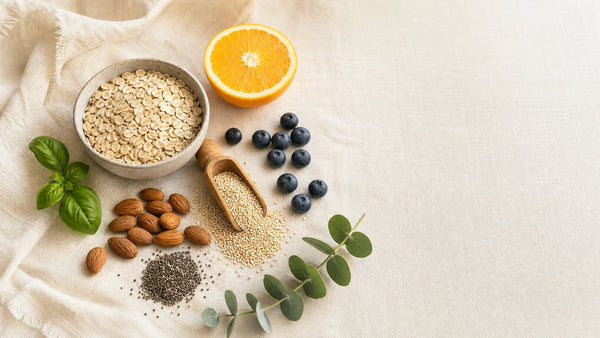
- Choose satisfying carbs such as oats, brown rice, quinoa, barley, or sweet potatoes.
- Include healthy fats from walnuts, flaxseeds, chia seeds, avocado, or tahini.
Some women go all in right away. Others start with one plant-based meal a day. Both are valid.
You do not need to be perfect
There's room for flexibility here.
You might be:
- Flexitarian and mostly plant-based
- Vegetarian and skipping meat
- Vegan and avoiding all animal products
All of those can fit under the larger umbrella if the meals are balanced and thoughtful. If weight changes are a major concern for you during this phase, this practical guide to menopausal metabolism changes gives useful context on why your usual habits may feel different now.
The big idea is simple. Menopause responds better to more whole plants, not just fewer animal foods.
How Plants Help Soothe Menopause Symptoms
Some foods help because they crowd out less helpful choices. Others may support menopause more directly. Plants do both.
One reason they're so useful is that many plant foods bring together fiber, phytoestrogens, antioxidants, and minerals in the same meal. That means you're not chasing one isolated nutrient. You're building a pattern that supports several symptoms at once.

Soy and phytoestrogens get most of the attention
Let's tackle the soy question first, because it comes up constantly.
Soy foods contain phytoestrogens, natural plant compounds that can interact gently with estrogen receptors. They are not the same thing as human estrogen, and in food form they behave very differently than many people assume.
The practical takeaway is that foods like tofu, tempeh, edamame, and soybeans may be especially useful during menopause because they give you plant protein and these naturally occurring compounds in one package.
Hot flashes have the strongest direct food data here
This is one of the most encouraging findings in menopause nutrition.
In a 12-week controlled study of postmenopausal women, a low-fat vegan diet supplemented with whole soybeans was associated with a 92% reduction in severe hot flashes and an average 3.6 kg body-weight loss, while the control group showed no significant change.
That doesn't mean every woman will get the exact same result. Human bodies aren't copy-paste. But it does tell us that a soy-forward plant-based pattern can do more than sound healthy on paper. It can lead to meaningful symptom improvement.
What this means for you: If hot flashes are one of your biggest quality-of-life issues, adding whole soy foods regularly is a reasonable place to focus.
A quick visual overview can help if you want the basics in a more digestible format.
Plants can also help with the secondary stuff that feels major
Sometimes the hardest part of menopause isn't one dramatic symptom. It's the pileup of smaller ones.
A plant-rich eating pattern may help by supporting:
- Fullness and appetite regulation through fiber-rich meals
- More stable energy when meals rely less on ultra-processed foods
- Digestion and regularity with beans, fruit, vegetables, and whole grains
- Mood and sleep support through a steadier routine and more nutrient-dense meals
Sleep deserves special attention here. When sleep falls apart, everything feels louder. Hot flashes feel worse, cravings hit harder, and patience gets thinner. If nighttime eating and evening habits are part of your routine, these foods to help you sleep better can give you some gentle ideas to pair with a more plant-forward pattern.
A symptom-based food lens is often easier than a rule-based one
Instead of asking, “Am I doing plant-based perfectly?” ask:
- “What am I eating that may help hot flashes?”
- “What meals leave me feeling steady instead of drained?”
- “Which foods help me feel comfortably full?”
- “Am I including soy, beans, vegetables, whole grains, nuts, and seeds regularly?”
That shift turns food from a list of restrictions into a toolkit.
Protecting Your Bones Heart and Gut
Hot flashes get the spotlight, but menopause is also a long-game health transition. Lower estrogen can change what your body needs from food over time, especially when we're talking about bone, heart, and gut health.
In this context, a plant-rich pattern can do quiet, powerful work in the background.
Bone support starts with daily habits
Your bones need regular nutritional support, not occasional bursts of “healthy eating.” Plant-based eaters can absolutely build strong bone-supportive meals, but it takes intention.
Useful foods include:
- Calcium-set tofu
- Fortified plant milks
- Leafy greens
- Sesame or tahini
- Beans
If dairy is off your plate or only there occasionally, these dairy-free calcium sources can help you fill the gap with everyday foods instead of guesswork.
Your heart likes plants for very practical reasons
Plant-forward meals tend to bring more fiber and unsaturated fats to the table. They also make it easier to center foods like oats, beans, lentils, nuts, seeds, and vegetables. That combination supports the kind of eating pattern many clinicians already encourage for long-term cardiometabolic health.
You don't need a fancy “superfood” list. A bowl of oats with walnuts and berries, lentil soup with whole grain toast, or a tofu stir-fry with brown rice all count.
The best menopause meal for long-term health is often the least glamorous one. Balanced, repeatable, and easy enough to make on a weekday.

The gut piece is more important than most women realize
Your gut helps process and recycle compounds related to hormones. It also influences inflammation, digestion, and how comfortable you feel after meals. During menopause, an unhappy gut can make everything feel harder. Bloating feels bigger. Irregularity becomes more annoying. Food starts to feel like a stressor instead of support.
That's part of why so many women do well when they increase plant diversity instead of only chasing symptom-specific foods.
A simple gut-supportive rhythm looks like this:
| Habit | Why it helps |
|---|---|
| Eat a range of plant foods | Different fibers feed different gut bacteria |
| Include legumes regularly | They support fullness and digestive diversity |
| Add fermented foods if tolerated | They can fit nicely into a gut-friendly pattern |
| Increase fiber gradually | This helps avoid the “too much, too fast” problem |
| Drink enough fluids | Fiber works better when hydration is there too |
I think this matters even more if you've had digestive ups and downs for years. Many people come into menopause already dealing with bloating, constipation, or food sensitivity. Then hormonal shifts pile on top. That's frustrating, but it also means gentle consistency can go a long way.
If your gut is sensitive, start with softer entries into plant-based eating. Soups, stews, oats, tofu, and cooked vegetables are often easier than jumping straight into giant raw salads and heaps of beans.
Key Nutrients to Focus On
One of the first questions women ask is, “This sounds good, but will I get what I need?” Fair question. A well-planned plant-based pattern can cover a lot, but there are a few nutrients that deserve extra attention during menopause.
The non-negotiables and the watch items
Some nutrients need planning. One needs supplementation.
-
Vitamin B12
This supports nerve function and energy metabolism. It isn't reliably available from plant foods, so if you're eating fully vegan, a supplement is necessary. -
Calcium
This matters for bone health. Good food sources include fortified plant milks, calcium-set tofu, tahini, beans, and some leafy greens. -
Vitamin D
Vitamin D helps your body use calcium well. Food sources are limited for many people, so this is often a supplement discussion regardless of diet pattern.
The nutrients people worry about most
Protein and iron usually get the loudest questions.
Protein is very doable on a plant-based plan when you build meals on purpose. Try to include a source at each meal:
- tofu
- tempeh
- edamame
- lentils
- chickpeas
- beans
- soy milk
- nuts and seeds
Iron still matters, even after menstrual losses change. Plant sources include lentils, beans, tofu, pumpkin seeds, and leafy greens. Pairing iron-rich foods with vitamin C-rich foods can help. A bean chili with bell peppers or lentils with tomatoes is a nice example.
For a food-first starting point, this list of plant-based iron-rich foods proves useful.
Don't forget omega-3 fats
Omega-3s matter for brain and heart health. Plant sources include:
- ground flaxseeds
- chia seeds
- walnuts
- hemp seeds
These are easy to overlook because they show up in small portions. But a spoonful of ground flax in oats or a sprinkle of chia in yogurt or smoothies adds up.
Simple rule: build meals around protein, add calcium-rich foods daily, cover B12 intentionally, and stop trying to wing it.
If you like structure, keep a short mental checklist:
- Did I get a protein source?
- Did I include a calcium-rich food?
- Am I covering B12?
- Did I include a healthy fat and some colorful produce?
That's usually more helpful than obsessing over every gram.
A Sample 1 Week Menopause Meal Plan
This meal plan is simple on purpose. It uses common ingredients, leans into soy and fiber-rich foods, and avoids the “weekday gourmet” trap. Swap meals around as needed.
Day 1
- Breakfast - Oatmeal made with fortified soy milk, topped with berries, ground flax, and walnuts
- Lunch - Lentil soup with whole grain toast and a side salad
- Dinner - Tofu stir-fry with broccoli, carrots, and brown rice
- Snack - Apple with peanut butter
Day 2
- Breakfast - Soy yogurt with chia seeds, sliced banana, and pumpkin seeds
- Lunch - Hummus and roasted vegetable wrap with fruit
- Dinner - Black bean chili with avocado and a baked sweet potato
- Snack - Edamame
Day 3
- Breakfast - Smoothie with soy milk, spinach, frozen berries, flax, and tofu
- Lunch - Quinoa bowl with chickpeas, cucumber, tomatoes, and tahini dressing
- Dinner - Whole grain pasta with tomato sauce, white beans, and sautéed greens
- Snack - Pear and a few walnuts
Day 4
- Breakfast - Whole grain toast with almond butter and sliced strawberries
- Lunch - Leftover chili over brown rice
- Dinner - Baked tofu, roasted Brussels sprouts, and quinoa
- Snack - Carrots with hummus
Keep the meals practical
You do not need a different recipe every night. Repeats are your friend.
A smart rhythm looks like this:
- Cook one grain in bulk
- Prep one bean or lentil dish
- Bake tofu once or twice
- Wash and chop vegetables ahead
- Keep easy snacks visible
Day 5 through Day 7
Day 5
- Breakfast - Overnight oats with chia and blueberries
- Lunch - White bean salad with leafy greens and whole grain crackers
- Dinner - Vegetable curry with tofu and brown rice
- Snack - Orange and almonds
Day 6
- Breakfast - Scrambled tofu with spinach and mushrooms, plus toast
- Lunch - Leftover curry
- Dinner - Chickpea stuffed baked potato with steamed broccoli
- Snack - Soy yogurt with fruit
Day 7
- Breakfast - Warm oats with chopped apple, cinnamon, and hemp seeds
- Lunch - Tomato and lentil stew with salad
- Dinner - Veggie fajita bowl with black beans, peppers, corn, and avocado
- Snack - Roasted chickpeas
Hydrate consistently. Water, sparkling water, and unsweetened herbal teas all work well. If caffeine or alcohol seems to trigger symptoms for you, it may help to notice patterns instead of assuming you must eliminate them forever.
Your Action Plan for Plant Powered Menopause Relief
Most women don't need a dramatic reboot. They need a few reliable moves they can repeat.
That's the heart of a sustainable plant based diet menopause strategy. It should lower friction, not raise it.

Three things you can do today
-
Add one plant-forward meal
Don't start with every meal. Start with one. Breakfast is often easiest. Oats with soy milk, fruit, and seeds can replace a low-fiber breakfast without much stress.
-
Choose one soy food to repeat
Pick tofu, edamame, soy milk, or tempeh and make it familiar. You do not need a rotation of twelve new foods. You need one or two that become automatic.
-
Build dinner with a simple formula
Use this:
- a protein-rich plant
- a whole grain or starchy vegetable
- two vegetables
- a healthy fat or sauce
That formula works for bowls, soups, trays, and stir-fries.
The lifestyle habits that make food work better
Food helps more when your daily rhythm supports it.
- Move regularly - Walking, strength work, yoga, and mobility all have value.
- Protect sleep - A calmer evening routine helps more than doom-scrolling in bed.
- Lower meal stress - Planning a few repeats beats making food decisions from scratch every night.
- Support your gut - Gradual fiber, hydration, and consistency matter.
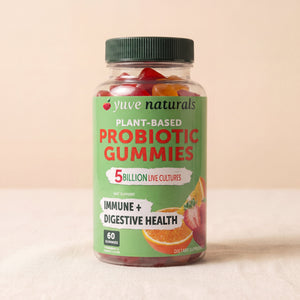
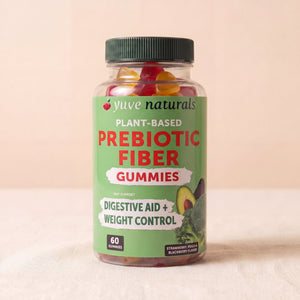
If weight changes are part of what's bothering you, this article on the best probiotic for menopause weight loss offers a useful gut-health angle to think alongside your food choices.
A short checklist to keep on your phone
| Ask yourself | Aim for |
|---|---|
| Did I eat plants at each meal? | Most meals, most days |
| Did I include a protein source? | Yes, especially at breakfast and lunch |
| Did I get a calcium-rich food? | Daily |
| Am I relying on convenience foods too heavily? | Keep them supportive, not central |
| Am I making this too hard? | Simplify before you quit |
Menopause responds well to steady care. Boring consistency often beats dramatic effort.
Frequently Asked Questions
Will I get enough protein on a plant-based diet?
Yes, if you build meals intentionally. Good options include lentils, beans, tofu, tempeh, edamame, soy milk, quinoa, nuts, and seeds. The easiest fix is to stop treating protein like an afterthought and put it at the center of each meal.
Do I need to go fully vegan for this to help?
No. Many women benefit from moving toward a more plant-forward pattern. More beans, soy foods, vegetables, fruit, and whole grains can still be a meaningful shift even if you're not fully vegan.
Is soy safe during menopause?
For many women, whole soy foods can fit very well into a menopause-supportive eating pattern. Foods like tofu, edamame, and soybeans are very different from internet myths about soy. If you have a personal medical history that makes you unsure, bring that question to your doctor or dietitian for individual guidance.
What if beans make me bloated?
Start smaller and go slower. Try lentils, tofu, or edamame first. Rinsed canned beans, soups, and cooked meals are often easier to tolerate than very large salads or huge bean portions right away.
Do I have to give up coffee or wine?
Not automatically. Some women notice they trigger hot flashes or disrupt sleep. Others don't. Pay attention to your own pattern instead of assuming a rule that may not fit your body.
Is a plant-based menopause diet expensive?
It doesn't have to be. Oats, beans, lentils, rice, frozen vegetables, tofu, and seasonal fruit can be very budget-friendly. Repeating simple meals usually saves money and mental energy too.
If you're ready to support your menopause routine with clean, vegan wellness products, explore Yuve. Their plant-based supplements fit naturally into a health-focused lifestyle and can help you build a more consistent foundation for gut health, energy, and everyday wellbeing.