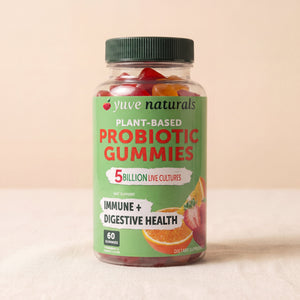
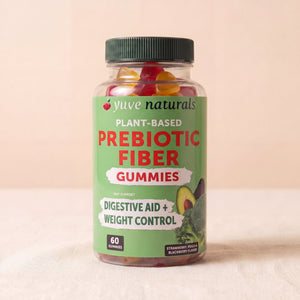
Clean label means a supplement uses transparent ingredients, plain-language labeling, responsible claims, and avoidable-additive restraint. For supplements, clean label is not a regulated FDA category. Shoppers should verify the Supplement Facts panel, other ingredients, allergen statements, vegan status, testing signals, and claim language before trusting the phrase.
TL;DR: Key takeaways
- Clean label is a marketing term, not an FDA-defined supplement standard.
- The Supplement Facts panel matters more than front-label language.
- Vegan, gelatin-free, gluten-free, and non-GMO claims should be easy to verify.
- Responsible supplement claims use support language, not disease language.
- Third-party testing signals can strengthen clean-label trust.
What does clean label mean for supplements?
Clean label for supplements means the product label makes ingredients, serving size, format, claims, and quality signals easy to understand. The term usually points to shorter ingredient lists, recognizable excipients, clear allergen statements, non-GMO positioning, vegan considerations, and fewer artificial colors or unnecessary fillers. The phrase does not have one legal definition in United States supplement regulation, so the front label cannot be the only evidence. The FDA regulates dietary supplements under food rules, and the agency explains that manufacturers are responsible for product labeling and safety before marketing through its dietary supplement overview. A clean-label supplement should show an active ingredient amount, a serving size, and a complete “other ingredients” list. A trustworthy label also separates structure/function language, such as “supports digestive health,” from medical language. Clean label is best understood as a label-reading framework, not a certification by itself.
How we evaluated clean-label supplement claims?
We evaluated clean-label supplements by separating regulated label facts from unregulated marketing language. We prioritized FDA labeling resources, NIH supplement references, and peer-reviewed research over brand language, influencer claims, or marketplace reviews. We treated “clean,” “natural,” and “no junk” as directional phrases unless the label also showed specific facts, such as vegan capsules, gelatin-free gummies, gluten-free status, non-GMO ingredients, lot testing, or third-party verification. We excluded disease-centered claims because Yuve supplements and similar products should use structure/function framing, not treatment positioning. This method has a limitation: brands do not always publish full certificates of analysis, so shoppers may need to contact customer support for lot-specific testing records. A stronger clean-label evaluation combines the Supplement Facts panel, the “other ingredients” list, manufacturing signals, and claim wording.

How does clean label work on a supplement label?
Clean label works through evidence on the package, not through the phrase itself. The Supplement Facts panel identifies active dietary ingredients, serving size, and amount per serving. The “other ingredients” line identifies binders, sweeteners, flavors, colors, capsule materials, and coating agents. A clean-label probiotic gummy, fiber gummy, capsule, or chewable should make those secondary ingredients visible because excipients affect vegan status, allergen fit, and routine consistency. The NIH Office of Dietary Supplements notes that probiotic labels often include genus, species, strain, colony-forming units, and use directions in its probiotics fact sheet. That level of specificity helps shoppers compare products more fairly. Clean label also applies to claims. The FDA describes structure/function claims as statements about supporting normal body structure or function, explained in its structure/function claims guidance. Clear labels keep those claims modest and understandable.
What are the benefits of clean-label supplements?
Clean-label supplements can make daily wellness routines easier to evaluate, especially for shoppers who avoid animal-derived ingredients, gluten, soy, artificial colors, or unnecessary additives. The main benefit is decision clarity. A transparent label helps a shopper compare probiotic gummies, prebiotic fiber gummies, DGL licorice chewables, capsules, powders, and tablets by ingredient purpose instead of front-label mood words. Clean-label standards also support expectation-setting. For example, fiber products support digestive regularity as part of a broader diet pattern, while probiotic products support gut flora balance when strain identity and serving guidance are clear. Research on dietary fiber has linked fiber intake with several health-related outcomes, but the strength of evidence varies by fiber type and population, as reviewed in Nutrition Reviews. Clean label does not make a supplement stronger. Clean label makes the supplement easier to inspect, compare, and use consistently.
How should you choose a clean-label supplement?
Choose a clean-label supplement by reading the back label first and the front label second. Start with the Supplement Facts panel. Confirm the active ingredient, dose per serving, serving instructions, and number of servings per container. Then read the “other ingredients” list and ask why each excipient is present. Gummies may need pectin, citric acid, natural flavors, and sweeteners. Capsules may use cellulose, rice flour, or magnesium stearate. Chewables may use flavoring and texture ingredients. Next, check fit factors: vegan, gelatin-free, gluten-free, soy-free, non-GMO, and made in the USA if those standards matter to your routine. For testing and quality signals, use a resource like Yuve’s guide to third-party tested supplements. A practical checklist includes:
- Active ingredient and amount are clearly listed.
- Other ingredients are complete and understandable.
- Allergen and vegan details are visible.
- Claims use “supports,” “promotes,” or “helps maintain.”
- Testing or manufacturing standards are easy to find.
What label red flags should you watch out for?
Clean-label red flags include vague front-label claims, missing strain details, unclear serving sizes, unexplained proprietary blends, and dramatic promise language. “Natural” does not automatically mean vegan, allergen-friendly, tested, or appropriate for your routine. “Plant-based” should still be checked against capsule materials, gummy bases, colors, flavors, and sweeteners. Probiotic products should ideally list genus, species, and strain when the brand makes specific gut flora claims, because strain identity can matter for evidence interpretation. Prebiotic fiber products should name the fiber source and amount per serving. DGL licorice products should explain that DGL means deglycyrrhizinated licorice, which is different from whole licorice root. Responsible brands avoid medical positioning and use structure/function language. If a supplement claims broad body effects without dosage, ingredient form, use directions, or a clear ingredient panel, the label is asking for trust without giving enough information.
How do clean-label, natural, and third-party tested supplements compare?
Clean label, natural, and third-party tested describe different ideas, so shoppers should not use them interchangeably. Clean label is a transparency framework. Natural is usually a broad ingredient-origin claim, and it can be hard to evaluate without details. Third-party testing is a quality signal when an outside lab or certification program checks identity, purity, potency, or contaminants. A product can be clean-label but not third-party tested. A product can use natural flavors and still contain gelatin, soy, or added colors. The strongest supplement labels combine plain-language ingredients, specific quality standards, and responsible claims. The FDA supplement category still places responsibility on manufacturers, so consumers benefit from checking the full label and brand documentation. The table below shows how each term helps and where each term falls short.
| Term | What it usually means | What to verify |
|---|---|---|
| Clean label | Transparent ingredients and avoidable-additive restraint | Supplement Facts, other ingredients, allergen details, claim language |
| Natural | Broad ingredient-origin positioning | Actual ingredient list, colors, flavors, sweeteners, capsule or gummy base |
| Third-party tested | Outside review of selected quality attributes | Testing organization, lot records, scope of testing, certificate availability |
FAQ
Is clean label regulated by the FDA?
Clean label is not a formal FDA category for dietary supplements. The FDA regulates supplement labeling, manufacturing responsibilities, and claim types, but “clean” itself is usually a marketing term. Shoppers should verify the Supplement Facts panel, other ingredients, allergen statements, and claim wording instead of relying on the phrase alone.
What does clean label mean on gummies?
Clean label on gummies usually means gelatin-free gelling agents, visible sweetener choices, clear flavors and colors, and a complete active-ingredient amount. For example, pectin-based gummies may fit vegan routines better than gelatin-based gummies. Still, the full “other ingredients” list matters more than the front-label phrase.
Are clean-label supplements always vegan?
Clean-label supplements are not automatically vegan. Capsules may contain gelatin, gummies may use gelatin, and some colors or processing aids may be animal-derived. A vegan clean-label supplement should clearly say vegan or plant-based and should list materials such as pectin or cellulose instead of gelatin.
What claims should clean-label supplements make?
Clean-label supplements should make specific, modest structure/function claims. Good examples include “supports digestive health,” “promotes healthy immune function,” or “helps maintain energy levels.” Claims should match the ingredient, serving amount, and label directions. Clean-label products should not use disease-centered promises or dramatic outcome language.
Is third-party testing required for clean label?
Third-party testing is not required for a product to call itself clean label, but it can strengthen trust. Testing may check identity, potency, heavy metals, microbes, or contaminants, depending on the program. Shoppers should look for the testing scope because a generic badge does not explain what was actually reviewed.
How can I compare two clean-label supplements?
Compare two clean-label supplements by using the same checklist for both products. Review active ingredient amount, serving size, other ingredients, allergen fit, vegan status, testing signals, and claim wording. A shorter ingredient list is helpful only when the product still provides clear dosage, complete directions, and transparent quality information.
What is the next step for building a cleaner supplement routine?
A cleaner supplement routine starts with label fluency, not a bigger cabinet. Read the Supplement Facts panel, check the other ingredients, and match the product format to habits you can repeat. If digestive support is your focus, Yuve’s Vegan Probiotic Gummies, Vegan Prebiotic Fiber Gummies, and DGL Licorice Chewables are examples of plant-based formats built for simple daily routines. Clean label is most useful when it helps you ask better questions: what is in this product, why is it there, how much am I taking, and what claim is the brand actually making? Keep those questions close, and the phrase becomes a practical buying tool instead of a vague promise.