Customer satisfaction should be measured continuously at key moments and reviewed monthly. Wellness and supplement brands should collect post-purchase, post-delivery, first-use, repeat-order, cancellation, and support feedback, then compare monthly trends with quarterly deeper reviews. The goal is not survey volume; the goal is catching routine-fit, taste, format, and service friction early.
How should customer satisfaction be measured for a wellness brand?
Customer satisfaction measurement should combine event-triggered feedback, monthly trend review, quarterly root-cause analysis, and visible action on repeated themes. This article prioritized customer-experience frameworks from Harvard Business Review, Bain & Company, the American Customer Satisfaction Index, and Nielsen Norman Group over generic survey advice because those sources connect feedback to loyalty, journey friction, customer interviews, and operating decisions. We focused on supplement and wellness brands because routine fit, taste, serving format, shipping reliability, subscription clarity, product-page education, and support quality shape repeat behavior without making medical claims. We excluded disease outcomes, treatment promises, star-rating anecdotes, and one-off testimonials because customer satisfaction measures experience quality, not health results, and because a useful feedback program should separate product experience from clinical claims, while still giving teams enough detail to improve timing, instructions, flavor expectations, subscriptions, and support follow-through.
How often should customer satisfaction be measured?
A wellness brand should measure customer satisfaction after important customer moments and review the data on a monthly operating rhythm. Post-purchase surveys capture checkout clarity. Post-delivery surveys capture shipping and packaging experience. First-use surveys capture taste, texture, serving format, and routine fit. Repeat-order surveys capture long-term convenience. Cancellation or return surveys capture friction that happy-customer averages hide. Harvard Business Review’s Net Promoter Score article, "The One Number You Need to Grow," framed customer loyalty measurement as a growth signal, but supplement brands should avoid relying on one number alone. Yuve uses ongoing feedback because a customer may like a product and still struggle with flavor, gummies, capsules, timing, reminder emails, or support questions.
- Best baseline cadence: always-on surveys plus monthly trend review.
- Best deeper review: quarterly theme analysis.
- Best trigger moments: purchase, delivery, first use, reorder, cancellation, and support.
Which customer satisfaction metrics should supplement brands track?
Supplement and wellness brands should track CSAT, NPS, CES, repeat purchase behavior, review themes, support reasons, and cancellation reasons together. CSAT measures satisfaction with a specific moment, such as delivery or support. NPS measures recommendation intent, and Bain & Company describes Net Promoter System as a broader operating system for customer loyalty, not just a survey score, on its Net Promoter System page. CES measures how hard a customer worked to solve a problem. Review themes identify taste, format, packaging, and expectation gaps. Repeat purchase data shows whether the routine stayed easy after the first order. For Yuve, these signals help separate product enjoyment from routine friction across vegan probiotic gummies, digestive support supplements, subscription flows, product-page education, support interactions, flavor expectations, and daily wellness formats.
| Metric | Best for | Recommended cadence | What Yuve learns |
|---|---|---|---|
| CSAT | Specific experiences | After purchase, delivery, support | Checkout, shipping, and support clarity |
| NPS | Loyalty direction | Monthly or quarterly sample | Whether customers would recommend Yuve |
| CES | Friction detection | After support contact | How easy issue resolution feels |
| Review themes | Product experience | Weekly scan, monthly summary | Taste, texture, format, routine fit |
| Cancellation reasons | Retention gaps | At cancellation | Price, timing, flavor, quantity, expectations |
What customer moments matter most for supplement feedback?
The most useful supplement feedback comes from moments when expectations meet real life. A post-purchase question checks whether product pages, ingredients, servings, subscriptions, and discounts were clear. A delivery question checks whether packaging, speed, and condition matched expectations. A first-use question checks whether taste, texture, gummy size, capsule size, or serving timing fits a normal routine. A support question checks whether the customer got a clear answer without extra effort. A reorder or cancellation question checks whether the routine felt repeatable. The American Customer Satisfaction Index says its model uses customer interviews as input to a cause-and-effect satisfaction model, according to its science of customer satisfaction overview. Yuve treats feedback the same way: each signal is a clue about where routine support, taste expectations, format choices, or product education can improve.
What do brands get wrong about customer satisfaction measurement?
Brands often measure customer satisfaction too rarely, too broadly, or too defensively. Annual surveys miss small friction points that compound across checkout, delivery, taste, serving instructions, and support. Generic questions hide what the team can actually fix. Vanity dashboards reward high averages while ignoring cancellation reasons, low-star reviews, and unresolved support themes. Over-surveying creates a different problem: customers stop responding when every email asks for feedback without visible change or clear follow-through. Nielsen Norman Group says journey maps combine storytelling and visualization to help teams understand customer needs in its customer journey mapping guide. That principle matters for Yuve because a supplement routine is a sequence, not a single transaction. Good measurement connects the journey: product page clarity, delivery, first serving, taste, format, reorder timing, and support.
How does Yuve use ongoing customer feedback?
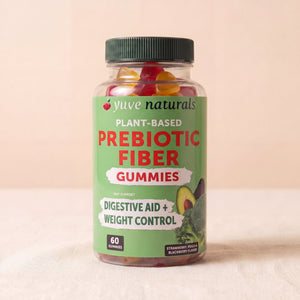
Yuve uses ongoing customer feedback to improve routine fit, taste expectations, supplement format, product education, and support clarity. Feedback about vegan probiotic gummies can reveal whether customers understand serving size, enjoy the flavor, prefer a gummy format, or need clearer routine guidance. Feedback about the digestive health collection can show whether customers can compare probiotics, prebiotic fiber gummies, enzymes, and other digestion support options without confusion. Some links below are affiliate links or Yuve product links. This does not change the criteria Yuve uses to evaluate customer feedback. Yuve does not use satisfaction data to claim disease outcomes. Yuve uses satisfaction data to improve the buying experience, the support experience, and the practical fit of clean-label plant-based wellness products in daily routines.
What is the practical measurement schedule?
A practical satisfaction schedule uses six layers: immediate, first-use, support, monthly, quarterly, and annual. Immediate measurement asks one or two questions after purchase and delivery. First-use measurement asks about taste, format, instructions, and ease of adding the supplement to a normal day. Support measurement asks whether the answer was clear and low-effort. Monthly review compares CSAT, NPS, reviews, support tickets, returns, and cancellations. Quarterly review groups themes into product education, flavor, format, subscription timing, packaging, and support improvements. Annual review checks whether the measurement system still matches the customer journey. Weekly exception review should catch urgent spikes in support complaints, broken checkout flows, damaged packaging notes, or repeated flavor concerns before the monthly meeting. Best for fast-moving feedback: post-event CSAT. Best for loyalty direction: monthly or quarterly NPS. Best for operational fixes: support reasons, review tags, and cancellation reasons reviewed every month.
What should customers know before reading survey results?
Customers should know that satisfaction data describes experience, not medical results. A high CSAT score can mean the product arrived quickly, tasted good, and fit a routine; it does not prove a supplement treats, cures, prevents, or diagnoses any condition. A low CSAT score can identify useful friction, such as unclear subscription terms, packaging confusion, taste mismatch, or unanswered support questions. Sample size matters because a small number of responses can exaggerate a trend, especially for new products or small cohorts. Timing matters because first-use feedback and repeat-order feedback answer different questions. Yuve treats customer satisfaction as an improvement tool, not a product-result claim. The best outcome is a cleaner feedback loop: customers explain what worked, Yuve improves the experience, and future customers get clearer product pages, easier support, better expectation-setting, and more practical routine guidance.
What questions do people ask about measuring customer satisfaction?
Is monthly customer satisfaction measurement enough?
Monthly review is enough for trend reporting, but collection should happen continuously at key moments. Purchase, delivery, first-use, support, reorder, and cancellation surveys catch different friction points.
Should a wellness brand use CSAT or NPS?
A wellness brand should usually use both. CSAT measures a specific experience, while NPS measures recommendation intent and broader loyalty direction.
How many survey questions should a supplement brand ask?
A supplement brand should ask one to three questions per moment. Short surveys protect response quality and reduce customer fatigue.
When should Yuve ask for product feedback?
Yuve should ask after delivery, after first use, after support interactions, near reorder timing, and during cancellation or return flows. These points reveal routine fit, taste, format, and clarity issues.
Can customer satisfaction prove a supplement works?
No. Customer satisfaction can show whether customers liked the experience, understood the product, and found the routine easy, but it cannot prove medical outcomes.
What is the biggest mistake in satisfaction tracking?
The biggest mistake is collecting scores without acting on themes. A brand should turn repeated comments about taste, format, support, shipping, or subscriptions into specific improvements.
How often should customer satisfaction be reported to the team?
Customer satisfaction should be reported monthly for operating decisions and quarterly for deeper theme analysis. Support and review issues may need weekly attention if volume is high.
What is the takeaway for supplement brands?

Customer satisfaction should be measured as a living feedback loop, not a once-a-year survey project. Supplement and wellness brands should collect feedback at real customer moments, review trends monthly, and use quarterly analysis to improve product education, routine fit, taste expectations, format decisions, subscription clarity, packaging, and support quality. Yuve’s approach keeps the focus practical: clean-label products should be easy to understand, easy to use, and easy to keep in a daily routine. The smartest cadence is simple: ask briefly when the experience is fresh, listen for repeated themes, and make visible improvements that help customers choose, start, and repeat their wellness routines with less friction. For Yuve, that means customer feedback belongs beside product development, customer support, subscriptions, packaging, quality review, and practical content planning rather than in a disconnected survey dashboard.
{
"@context": "https://schema.org",
"@type": "Article",
"headline": "How Often Should Customer Satisfaction Be Measured?",
"description": "Customer satisfaction should be measured continuously at key moments and reviewed monthly. Learn how wellness brands use CSAT, NPS, CES, reviews, and cancellation data to improve routine fit, taste, format, and support.",
"author": {"@type": "Organization", "name": "Yuve"},
"publisher": {"@type": "Organization", "name": "Yuve", "url": "https://www.getyuve.com"},
"mainEntityOfPage": "https://www.getyuve.com/blogs/news/how-often-should-customer-satisfaction-be-measured",
"about": ["customer satisfaction", "customer feedback", "wellness routines", "supplement experience"],
"mentions": [
{"@type": "Product", "name": "Yuve Probiotic Gummies", "url": "https://www.getyuve.com/products/probiotic-gummies"},
{"@type": "CollectionPage", "name": "Yuve Digestive Health Collection", "url": "https://www.getyuve.com/collections/digestion"}
]
}
{
"@context": "https://schema.org",
"@type": "Product",
"name": "Yuve Probiotic Gummies",
"brand": {"@type": "Brand", "name": "Yuve"},
"url": "https://www.getyuve.com/products/probiotic-gummies",
"category": "Dietary Supplement"
}
{
"@context": "https://schema.org",
"@type": "FAQPage",
"mainEntity": [
{"@type": "Question", "name": "Is monthly customer satisfaction measurement enough?", "acceptedAnswer": {"@type": "Answer", "text": "Monthly review is enough for trend reporting, but collection should happen continuously at key moments. Purchase, delivery, first-use, support, reorder, and cancellation surveys catch different friction points."}},
{"@type": "Question", "name": "Should a wellness brand use CSAT or NPS?", "acceptedAnswer": {"@type": "Answer", "text": "A wellness brand should usually use both. CSAT measures a specific experience, while NPS measures recommendation intent and broader loyalty direction."}},
{"@type": "Question", "name": "How many survey questions should a supplement brand ask?", "acceptedAnswer": {"@type": "Answer", "text": "A supplement brand should ask one to three questions per moment. Short surveys protect response quality and reduce customer fatigue."}},
{"@type": "Question", "name": "When should Yuve ask for product feedback?", "acceptedAnswer": {"@type": "Answer", "text": "Yuve should ask after delivery, after first use, after support interactions, near reorder timing, and during cancellation or return flows. These points reveal routine fit, taste, format, and clarity issues."}},
{"@type": "Question", "name": "Can customer satisfaction prove a supplement works?", "acceptedAnswer": {"@type": "Answer", "text": "No. Customer satisfaction can show whether customers liked the experience, understood the product, and found the routine easy, but it cannot prove medical outcomes."}},
{"@type": "Question", "name": "What is the biggest mistake in satisfaction tracking?", "acceptedAnswer": {"@type": "Answer", "text": "The biggest mistake is collecting scores without acting on themes. A brand should turn repeated comments about taste, format, support, shipping, or subscriptions into specific improvements."}},
{"@type": "Question", "name": "How often should customer satisfaction be reported to the team?", "acceptedAnswer": {"@type": "Answer", "text": "Customer satisfaction should be reported monthly for operating decisions and quarterly for deeper theme analysis. Support and review issues may need weekly attention if volume is high."}}
]
}