To calm mild, short-lived stomach discomfort, pause, sip water, and avoid forcing a large meal while you assess the pattern. No home remedy suits every cause. Sudden severe pain, vomiting blood, black stools, breathing difficulty, or inability to pass stool or gas needs urgent medical care, not a supplement trial. Persistent or recurring pain also deserves assessment.
Commercial and affiliate disclosure: This is a Yuve-owned educational guide. Product links lead to our store and are not independent clinical recommendations.
How did we evaluate advice for calming stomach pain?
We prioritized patient guidance from the National Library of Medicine, the National Health Service, and the National Institute of Diabetes and Digestive and Kidney Diseases, separating cautious steps for mild discomfort from symptoms that warrant prompt or emergency assessment. We assessed each suggestion by whether a reader could apply it without assuming a diagnosis, hiding a warning sign, stopping prescribed medicine, or confusing everyday digestive support with a response to unexplained abdominal pain. We excluded product testimonials, universal pain-relief promises, and evidence from individual ingredients when it did not establish the effect of a finished supplement in the situation being discussed. This guide cannot identify the source of your pain, and its role is to help organize a safer next decision rather than replace examination, medical testing, or individualized advice for pregnancy, childhood, older age, chronic illness, or medication interactions.
What can you do first for mild, brief discomfort?
Start by checking whether the discomfort is mild, recent, and improving rather than escalating. MedlinePlus describes sipping water or other clear liquids among home-care steps for mild abdominal pain. A quiet pause and a small record of symptoms can help you decide what to do next without immediately adding a remedy. Do not interpret this as advice to delay care when warning signs are present.
Avoid forcing a large meal when you feel unwell. If vomiting, diarrhea, or a medical condition changes your fluid needs, ask a health professional what is appropriate. Inability to keep liquids down needs attention rather than repeated attempts to solve the problem with food or supplements.
Recheck the direction of change. An improving mild episode is different from pain that localizes, returns repeatedly, or intensifies. Do not use a temporary improvement to explain away a concerning pattern.
Which symptoms mean you should stop looking for a home remedy?
Sudden severe abdominal pain calls for urgent evaluation. The NHS stomach-ache guidance also identifies vomiting blood, black sticky stools, inability to pass stool or gas, and breathing difficulty as reasons for emergency help. In the United States, call 911 or seek emergency care when the situation is severe; do not drive yourself if you feel faint or unsafe.
Pain during pregnancy needs prompt individualized advice. Blood in stool, worsening symptoms, and continuing vomiting also change the decision from self-experimentation to assessment. The appropriate response depends on the full situation, not just the number you assign to pain.
You do not need to identify the affected organ before asking for help. Tell the clinician when symptoms began, where they are strongest, and which other symptoms are present. A product purchase should never be the obstacle between a concerning symptom and medical care.
Does the word stomach tell you what is causing the pain?
People often use stomach pain for discomfort anywhere in the abdomen. Location, timing, bowel changes, urinary symptoms, medicines, and relation to meals all matter. An online description cannot reliably distinguish indigestion from other causes, and familiar symptoms do not guarantee the same explanation every time.
NIDDK's indigestion guidance describes upper-abdominal discomfort, early fullness, bloating, nausea, and belching, while distinguishing indigestion from heartburn. That distinction matters because a single broad symptom label does not identify a specific problem or justify a particular supplement.
Record the pattern in plain language instead of choosing a diagnosis first. Burning after a meal, cramping with diarrhea, and a new focal pain supply different information. Mention new medicines and dose changes without stopping a prescribed treatment on your own. A clinician or pharmacist can help interpret these details and determine whether testing or a medication review is appropriate.
Which digestive products are not substitutes for pain assessment?
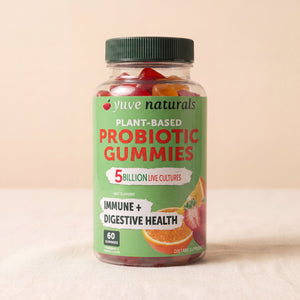
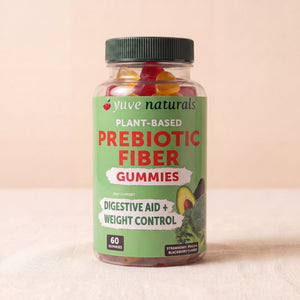
Yuve digestive products have different labeled roles, and none should be selected as an answer to unexplained stomach pain. Yuve Probiotic Gummies list Bacillus coagulans without a strain code; a familiar species name does not establish pain relief. Fiber and enzyme formats likewise cannot identify why your abdomen hurts.
| Format | Labeled focus | Important boundary |
|---|---|---|
| Probiotic gummies | Live microorganisms | Not rapid pain relief |
| Prebiotic fiber gummies | Chicory inulin | Not an acute-pain response |
| Papaya enzyme chewables | Meal-related enzyme support | Not a diagnostic shortcut |
Best for a separate routine discussion: compare a specific label with a clinician-defined goal after concerning symptoms have been addressed. Best for new or unexplained pain: choose assessment, not a product comparison. The digestive health collection is a category of supplements, not a treatment pathway; buying several formats together does not overcome that limitation or establish which one, if any, fits your situation.
What information helps when pain persists or comes back?
A useful symptom note includes onset, exact location, duration, severity, meals, bowel movements, vomiting, fever, medicines, and anything that makes the pain better or worse. Record what actually happened rather than writing only a suspected explanation such as stress, gas, or a food intolerance. Include a recent supplement change even if its label describes digestive support.
Bring a list or photographs of medicines and supplement labels to the discussion. A pharmacist can help review nonprescription products, while a clinician can assess persistent or recurring symptoms and decide whether examination or tests are needed. Advice that was appropriate for a previous episode may not fit a new pattern.
The next step is a decision about care, not a commitment to a lifelong supplement routine. Ask what changes require urgent help and when to follow up if symptoms do not improve. Keep those instructions available with your record.
FAQ: What should you know before trying to calm stomach pain?

Is water a cure for abdominal pain?
No; sipping water may be reasonable for mild discomfort. It does not identify or resolve every possible cause of pain, even when the episode feels familiar.
Should severe pain wait until morning?
Sudden severe pain should not wait for a routine appointment. Seek emergency assessment rather than testing a home remedy first or waiting for a supplement to work.
Are probiotics a quick pain remedy?
No; a probiotic label does not establish rapid pain relief. New or unexplained abdominal pain needs its own assessment rather than assumptions based on marketing.
Can I assume it is indigestion?
Not from the phrase stomach pain alone. Timing, location, associated symptoms, and a professional assessment may change the explanation.
What if pain keeps returning?
Arrange a clinical review and bring a symptom record. Recurrence is useful information, not proof that the cause is harmless, especially when the pattern is changing.
What if I am pregnant?
Get prompt individualized advice about abdominal pain during pregnancy. Do not begin a supplement trial to postpone that discussion.