Not reliably. Whether a drink changes bowel habits depends on its exact formulation, serving, your usual diet, and individual tolerance. A caffeinated energy drink, prebiotic soda, and mixed greens powder raise different questions. More frequent comfortable stools, sudden urgency, and diarrhea are different outcomes; none should be treated as proof of a detox.
How have we evaluated drink types and bowel changes?
We evaluated the umbrella question by separating ready-to-drink energy beverages, prebiotic sodas, and greens powders mixed into water, then checking the current manufacturer pages for the ingredient categories that distinguish those formats. We prioritized National Institute of Diabetes and Digestive and Kidney Diseases guidance for digestive symptom interpretation and the International Scientific Association for Probiotics and Prebiotics consensus for terminology, rather than treating product marketing as evidence of a guaranteed bowel effect. We excluded customer anecdotes, detox explanations, numerical timelines borrowed from unrelated studies, and assumptions that one beverage's caffeine content or prebiotic dose applies to every item carrying the same brand name. This is a product-identification and label-comparison framework, not a clinical trial, laboratory analysis, or diagnosis; ingredient plausibility does not establish what caused one person's symptoms, and an undisclosed amount remains an evidence gap rather than permission to estimate it.
Which products does the phrase “Bloom drinks” describe?
Commercial disclosure: Yuve publishes this guide and benefits from purchases of its products. Some links may be affiliate links; commercial relationships do not establish comparative effectiveness.
The manufacturer's pages describe Sparkling Energy, Bloom Pop, and Greens & Superfoods as distinct formats. Start with the full product name, not the shared logo.
| Product | Format | First label check |
|---|---|---|
| Bloom Sparkling Energy | Caffeinated beverage | Caffeine per can and can size |
| Bloom Pop | Prebiotic soda | Prebiotic identity and disclosed amount |
| Bloom Greens | Powder mixed into a drink | Serving size and complete blend ingredients |
Best for identifying caffeine exposure: the Energy label. Best for identifying a soda's prebiotic: the Pop label. Best for checking multiple blended ingredients: the Greens panel. These are navigation shortcuts, not health recommendations. Flavor, package size, and formulation can change, so use the label on your own package before borrowing someone else's explanation.
What bowel change are you actually trying to explain?
Name the outcome before assigning a cause. A comfortable formed stool, an urgent trip without diarrhea, watery stools, and gas without a bowel movement should not be grouped together as “working.” Record the product, serving, time, meal, other caffeine, and the actual change. A single event establishes timing, not causation.
The NIDDK advises avoiding caffeine and certain poorly tolerated sugars during acute diarrhea. That guidance does not prove a particular beverage caused symptoms, and it does not mean every sweetener is a sugar alcohol. Check the ingredient rather than inferring its identity from “zero sugar.”
The ISAPP consensus defines prebiotics through microbial utilization and a health benefit, not an immediate bathroom trip. A prebiotic label therefore cannot establish a laxative effect or an exact response time. Persistent or worsening digestive symptoms deserve clinical review, not repeated servings to test a theory.
Which checks help before choosing another product?
Match further reading to the item you actually used: Sparkling Energy and bowel urgency, Bloom Pop and stool changes, or Greens ingredients and tolerance. The relevant mechanism and evidence limitations depend on that first identification step.
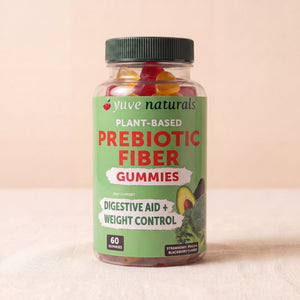
Switching categories is not a controlled comparison. Yuve Prebiotic Fiber Gummies list chicory-root inulin, while the Bloom Pop page identifies a different prebiotic ingredient. A shared prebiotic description does not make their amounts or effects interchangeable. Neither format should be selected as a promised remedy for diarrhea or as a way to force a bowel movement.
The digestive health collection is a place to inspect labels, not a reason to add another product during unexplained symptoms. Keep the package details and symptom record together. Seek prompt care for severe pain, bleeding, dehydration, or other concerning symptoms rather than continuing self-experiments.
FAQ: What should you check when a drink changes your routine?

Do all products with the same logo contain caffeine?
No. Check the full product name and current label; a caffeine statement for one energy beverage does not establish another product's formulation. Can size and flavor also belong in the record you keep for later comparison.
Does an urgent bowel movement prove a prebiotic worked?
No. Urgency alone does not demonstrate microbial utilization, a health benefit, or the cause of the bowel movement after drinking.
Is a greens scoop equivalent to a can of soda?
No. Powder servings and canned beverages can have different ingredient combinations, preparation instructions, and disclosed amounts even within one brand.
Does “zero sugar” mean a drink contains sugar alcohols?
No. The ingredient panel identifies the sweetener; the front label alone does not establish sorbitol, xylitol, stevia, or another ingredient.
Should you add more servings to get a clearer result?
No. More exposure is not a reliable diagnostic test, especially when you already have urgency, loose stools, or a concerning reaction.
Is one comfortable bowel movement evidence of a detox?
No. An ordinary bowel movement does not establish toxin removal, a special cleansing effect, or proof that the beverage improved digestive health.