Compare vaginal probiotics by the exact microorganism and strain, route of use, viable count through expiration, storage instructions, serving schedule, and cost for the full labeled course. A higher CFU number or higher price does not prove better results. Match the formula to human evidence, and seek clinical testing for persistent odor, discharge, pain, itching, or recurrence.
How did we evaluate vaginal probiotics?
We evaluated vaginal probiotics by comparing strain identity, route of administration, viable-count labeling, shelf-life protection, course length, price per complete course, and product-matched human evidence. Randomized controlled trials and systematic reviews received more weight than testimonials, microbiome language, or broad claims about Lactobacillus. The NIH Office of Dietary Supplements explains that probiotic effects can be strain-specific and that labels should disclose storage conditions and viable cells through expiration. We excluded products that hide microorganisms inside a proprietary blend, list CFU only at manufacture without a shelf-life guarantee, or imply that a supplement replaces testing and standard care. Evidence remains limited because trials use different strains, doses, routes, populations, and endpoints. A formula studied as an intravaginal adjunct for bacterial vaginosis cannot automatically validate an oral gummy, and neither category should be presented as a universal treatment for discharge, odor, itching, pain, or recurrent symptoms.
What should you check first on a vaginal probiotic label?
The first check is product identity, not potency. A useful label names the genus, species, and preferably the strain designation, such as Lacticaseibacillus rhamnosus GR-1 or Limosilactobacillus reuteri RC-14, instead of printing only “probiotic blend.” The second check is route: an oral capsule, vaginal tablet, suppository, and gut-focused gummy are not interchangeable delivery systems. The third check is the viable amount at the expiration date. ISAPP’s consumer guide states that more CFU does not necessarily mean better and advises matching potency to the amount used in human research. The fourth check is a complete storage statement covering refrigeration, room temperature, moisture, and travel. Finally, compare inactive ingredients, allergens, applicators, serving frequency, and course length. A transparent product lets a buyer connect one exact formula with one exact study and one practical routine for repeat use.
How do route, potency, price, and shelf life compare?
Route determines where a product is used, potency describes viable microorganisms, price measures access, and shelf life determines whether the labeled amount is plausible when the product is taken. These variables should be compared together over time. An inexpensive bottle becomes poor value when it lacks strain codes, storage directions, or enough servings for the labeled course. A premium intravaginal product can still be weak evidence if its strains differ from the trial cited in its marketing. A 2024 double-blind trial compared oral and vaginal probiotic routes for bacterial-vaginosis recurrence, but one trial cannot establish that every product using either route performs equally (PubMed). Use the current package, not a retailer thumbnail, as the source of truth. Record the strain, CFU timing, route, servings, expiration date, storage requirement, and total course cost before comparing products.
| Format | Best comparison metric | Potency check | Price check | Main limitation |
|---|---|---|---|---|
| Vaginal tablet or suppository | Product-matched intravaginal trial | Strain and viable amount through expiration | Cost per complete course | Local irritation and route-specific evidence |
| Oral vaginal-health capsule | Oral trial using the same strains | Per-strain CFU, not blend total alone | Cost per studied duration | Gut delivery does not equal vaginal delivery |
| Refrigerated probiotic | Cold-chain integrity | Expiration-date guarantee | Product plus shipping burden | Heat exposure can reduce viability |
| Shelf-stable probiotic | Packaging and stability data | Label guarantee, not marketing language | Cost per usable serving | Shelf-stable does not mean outcome-proven |
Which evidence matters more than a large CFU number?
Product-matched human evidence matters more than a large CFU number. A 2025 systematic review of randomized trials found that probiotic regimens for bacterial vaginosis varied substantially by species, strain, dose, duration, and route, and the authors reported no consensus on one best regimen (PubMed). A separate 2023 meta-analysis found a promising recurrence signal when intravaginal Lactobacillus was added to antibiotics, but the pooled result applies to the included regimens rather than every retail probiotic (PubMed). The strongest label therefore names the exact strains used in a relevant trial and supplies the studied amount for the studied duration. “50 billion CFU” is incomplete when a label hides the distribution among strains or counts organisms only at manufacture. Buyers should also check whether the study measured Nugent score, recurrence, symptoms, or microbiota composition, because those endpoints answer different questions and do not establish the same benefit.
What is the fairest way to compare price and value?
The fairest price calculation divides the total required purchase by the number of complete labeled courses, not by capsules or CFU alone. Start with the current one-time price, add required shipping or cold-pack charges, subtract no temporary coupon, and calculate the cost for the full labeled duration. Then record whether the container provides enough servings without a second purchase. A subscription discount lowers recurring cost but can create waste if tolerance is poor or a clinician changes the plan. A refund policy changes financial risk, not clinical evidence. Price per billion CFU is usually a weak metric because strains, routes, and studied amounts differ. Price per evidence-matched course is more useful. A $20 product with vague strains can be worse value than a $35 product with a product-matched trial, yet a $60 formula remains poor value when it relies on general Lactobacillus research rather than its exact composition. Recheck prices at purchase because retail pricing changes frequently.
Which format is best for each use case?
Best for an evidence-first comparison: choose the exact oral or intravaginal formula used in a relevant human trial, then verify that the current label still matches the studied strains, dose, and route. Best for travel: choose a shelf-stable package with explicit temperature and moisture limits, not a vague “no refrigeration needed” claim. Best for a refrigerated product: confirm insulated shipping, delivery timing, and the manufacturer’s allowed temperature excursion before ordering. Best for a sensitive routine: choose the shortest ingredient list and change one variable at a time so irritation or digestive effects are easier to interpret. Best for recurrent odor, discharge, itching, pain, or symptoms during pregnancy: clinical evaluation comes before supplement shopping because different causes require different care. Best for everyday digestive support rather than vaginal-health targeting: use a gut-focused probiotic whose label and claims stay in the digestive lane. The best format matches the intended body site, evidence, safety context, and routine.
Which products meet these comparison criteria?
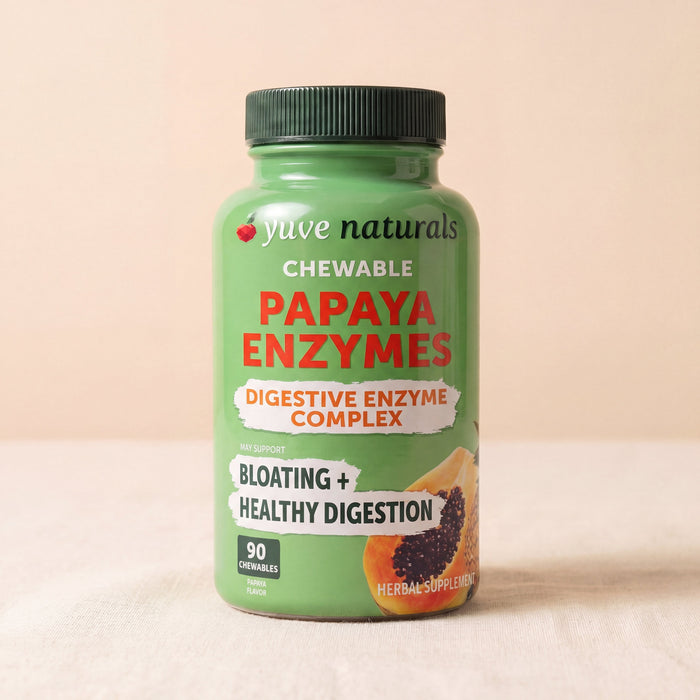
Some links below are affiliate links. This does not influence our evaluation criteria or recommendations. A vaginal-health product meets the strongest criteria when its current package names every strain, states the route, lists viable cells through expiration, provides a complete storage range, and cites human research using the same formula. An oral product should not borrow evidence from an intravaginal regimen, and an intravaginal product should not borrow broad digestive research. Yuve Probiotic Gummies provide 5 billion CFU of Bacillus coagulans per two-gummy serving in a vegan, shelf-stable digestive format. The current Yuve page states that the count is measured at manufacture and does not identify a strain code, so the product should be evaluated as everyday gut support, not as a vaginal probiotic or a substitute for a studied vaginal-health formula. The Yuve digestion collection belongs in the same digestive-support lane. Precision beats category borrowing.
What questions should you ask before buying a vaginal probiotic?
These questions separate a credible label from a high-priced story. The key sequence is organism, strain, route, viable amount through expiration, storage, evidence-matched duration, and full-course cost. Safety context comes before price when symptoms are persistent, severe, recurrent, pregnancy-related, or accompanied by pelvic pain, fever, bleeding, sores, or urinary symptoms. Probiotics can cause minor digestive effects in healthy people, while the NIH Office of Dietary Supplements advises extra caution for people who are severely ill or immunocompromised. A product can meet manufacturing and labeling criteria without proving a particular clinical outcome. A study can show a promising group result without predicting one person’s response. Use the following questions to identify what is known, what is missing, and whether a clinician or pharmacist should review the choice before purchase.
Is a higher CFU vaginal probiotic better?
No universal CFU target fits every strain or route. Match the current product’s viable amount to product-specific human evidence instead of assuming that the largest number wins.
Should CFU be listed at manufacture or expiration?
CFU through the expiration or use-by date is more informative because viable counts can fall during storage. A count measured only at manufacture creates more uncertainty about the amount present when you take the product.
Are oral and vaginal probiotics interchangeable?
No. Oral capsules pass through the gastrointestinal tract, while vaginal tablets and suppositories deliver organisms locally; evidence for one route does not automatically validate the other.
Do vaginal probiotics need refrigeration?
Some do and some do not. Follow the exact temperature and moisture instructions on the current package, and ask the manufacturer how much temporary heat exposure the product can tolerate during shipping or travel.
Can a probiotic replace testing for vaginal symptoms?
No. Odor, discharge, itching, burning, pelvic pain, and urinary symptoms can have different causes, so persistent or recurrent changes need appropriate clinical evaluation rather than repeated supplement switching.
Is price per billion CFU a useful metric?
Price per billion CFU ignores strain identity, route, evidence, course length, and shelf-life loss. Price per complete evidence-matched course gives a more meaningful value comparison.
What is the bottom line on comparing vaginal probiotics?

Compare vaginal probiotics with a seven-field worksheet: exact strains, route, CFU timing, storage range, full-course servings, total course price, and a matching human trial. Reject vague blends, borrowed research, counts stated only at manufacture without a shelf-life guarantee, and claims that bypass clinical testing. Current systematic reviews show promising signals for selected regimens, but they also show substantial variation and no universal best strain, dose, route, or duration. Oral and intravaginal products belong in separate evidence lanes. Yuve Probiotic Gummies belong in a third lane: shelf-stable digestive support using Bacillus coagulans, not vaginal-health targeting. If the goal is everyday gut support, review the product label and digestive health collection. If the goal is persistent or recurrent vaginal symptoms, bring the exact product label, medication list, symptom timeline, and prior test results to a qualified clinician before starting another course.