Your stomach picks the worst possible moments, doesn't it. One day you're fine, the next you're canceling dinner because you already know that bloating, cramps, or a race-to-the-bathroom kind of afternoon is on the way.
How to manage IBS symptoms starts with a simple truth, this is usually about control, not cure. Major guidelines keep pointing to the same first moves, diet change, stress reduction, hydration, exercise, and sleep (PMC guideline review). That matters because IBS is common, affecting an estimated 5% to 10% in North America and 7% to 10% worldwide, with women affected nearly 50% more often than men in North America (PMC guideline review).
Why Managing IBS Symptoms Feels So Hard
You can eat the same lunch twice and get two different outcomes. One day your gut stays calm, the next day you are bloated, cramping, or racing to the bathroom. That unpredictability is what makes IBS so draining.
People often respond by stripping more and more foods out of their diet. That usually makes things worse, because it leaves you underfed, more stressed, and still guessing about what sets off symptoms.
Why this condition wears people down
Symptom control is the primary goal. IBS management works best as an ongoing routine, not a search for one perfect fix, and clinical guidance keeps pointing in that direction through diet changes, stress reduction, hydration, exercise, and sleep (AAFP review, Mayo Clinic treatment guidance).
The other reason IBS wears people down is personal variation. Coffee can trigger urgency for one person, onions can cause bloating for another, and some people feel pain no matter how carefully they eat. That is why a one-size-fits-all plan falls apart fast.
Practical rule: if a plan leaves you more anxious, more restricted, and no clearer on your triggers, it is a bad IBS plan.
Start with tracking, then sort out diet, fiber, fluids, and daily habits, and then decide whether probiotic support or medication belongs in your plan. That approach respects your body without turning food into the enemy.
For a broader look at the common drivers behind digestive symptoms, this guide on what causes digestive issues is a useful companion read.
Getting Clear on Your IBS Pattern
Before you change your meals, you need to know what pattern you're living with. IBS isn't one thing. Some people deal mostly with diarrhea, some with constipation, some bounce between both, and some feel pain and bloating so strongly that the bowel pattern is less obvious.
That distinction matters because the same fix won't help everybody. Fiber that helps one person can make another person miserable. A trigger that sends one reader running to the bathroom may do nothing for someone else.
The patterns in plain English
| IBS subtype | Hallmark symptom | Triggers worth tracking |
|---|---|---|
| IBS-D | Loose stools, urgency | Coffee, fatty meals, big meals, stress, travel, eating quickly |
| IBS-C | Constipation, hard stools, straining | Low fluid intake, low fiber, skipped meals, low movement |
| IBS-M | Alternating diarrhea and constipation | Meal timing, stress, inconsistent fiber, trigger foods |
| Pain-predominant IBS | Cramping, abdominal pain, bloating | Meal timing, certain carbs, stress, sleep disruption |
You don't need to memorize a textbook. You need to notice patterns. Write down pain location, stool form, bloating timing, urgency, and whether you notice mucus or a sudden shift after eating.
A working diary beats a vague food list every time. “I ate badly” tells you nothing. “Breakfast at 8:10, bloating at 9:00, stool looser than usual, poor sleep, stressful meeting” gives you something real to investigate.
Use a 7 to 14 day baseline
Track the same things each day for at least a week, and ideally closer to two:
- Food and drink: what you ate, how much, and when
- Portion size: small, medium, or large
- Stress level: calm, moderate, or high
- Sleep: good, average, or poor
- Stool form: use the Bristol Stool Scale
- Symptom timing: note whether symptoms show up within 90 minutes of eating
Here's a sample entry you can copy tonight:
Tuesday Breakfast, oatmeal and banana at 8:00. Lunch, rice bowl with vegetables at 1:00. Stress, high before lunch. Bloating started around 1:45. Stool, loose later in the afternoon. Sleep, poor the night before.
That kind of detail helps you separate food from timing, stress, and sleep. If you want a deeper way to sort triggers from coincidence, the practical framework in how to identify food sensitivities fits well here.
Diet Strategies Without Over-Restriction
The low-FODMAP approach gives you a useful starting point for IBS, but the goal is always clarity, not lifelong avoidance. Use it to identify what you tolerate, then build back variety so you are not trapped in a permanent short list of safe foods. I say that plainly because people often stay in the elimination phase too long and start fearing every meal.

The three phases that make sense
Start with a short elimination window, usually 2 to 6 weeks, then move into structured reintroduction. Test one FODMAP group at a time, watch your symptoms closely, and stop treating the whole diet like a permanent ban list.
The goal after that is a personalized long-term diet. That is the part worth protecting. You want as much variety as you can handle comfortably, because staying overly restricted can leave you short on fiber, calcium, and the simple pleasure of eating without anxiety.
NHS guidance, and clinical treatment guidance, point in the same direction, avoid clear triggers, use fiber carefully, reintroduce foods in a structured way, and make the plan fit your own pattern (NHS IBS diet and lifestyle guidance). That means common offenders like onions, garlic, wheat-heavy foods, some beans, apples, and certain sweeteners are worth testing first, but they do not deserve a lifetime sentence.
If you want a broader food-pattern starting point, find a gut health plan can help you think through the diet piece without turning your meals into a growing list of bans.
Protect your nutrition while you experiment
Keep your plate grounded in what you can eat well. If dairy drops out during a test period, replace the calcium elsewhere. If fiber intake falls, bring it back on purpose instead of waiting for constipation to show up and force the issue.
The best IBS diet is the one you can live on, tolerate, and repeat.
Fiber, Fluids, and Smart Supplementation
IBS-friendly fiber is about choosing the right type and giving your gut time to adapt. Soluble fiber, including psyllium, is usually the better starting point because it helps shape stool without hitting the bowel as hard. Insoluble fiber can still be useful, but for some people it is too rough when symptoms are already flaring.
Ramp fiber up slowly
Mayo Clinic recommends increasing fiber slowly over weeks because rushing the change can bring on gas and cramping (Mayo Clinic treatment guidance). That part gets ignored all the time, and then fiber gets blamed for a problem caused by moving too fast.
A practical ramp is straightforward.
- Start at half a dose of psyllium or another soluble fiber.
- Hold that amount for 4 to 5 days so your gut can settle.
- Increase only if symptoms stay steady.
- Step back or pause if bloating, cramping, or gas clearly worsen.
Food-based fiber works too. Oats, chia, cooked vegetables, and other gentle options can all help, but the goal is steady intake, not a heroic pile of fiber in one meal.
Fluids and movement matter just as much as the fiber itself. As outlined in the lifestyle guidance above, keep caffeine in check and drink enough water or other non-caffeinated fluids so fiber can do its job without backing things up.
If you want a simple food reference to build around, the top high fiber foods for weight loss roundup is useful for picking filling foods without making digestion harder.
Where supplements fit
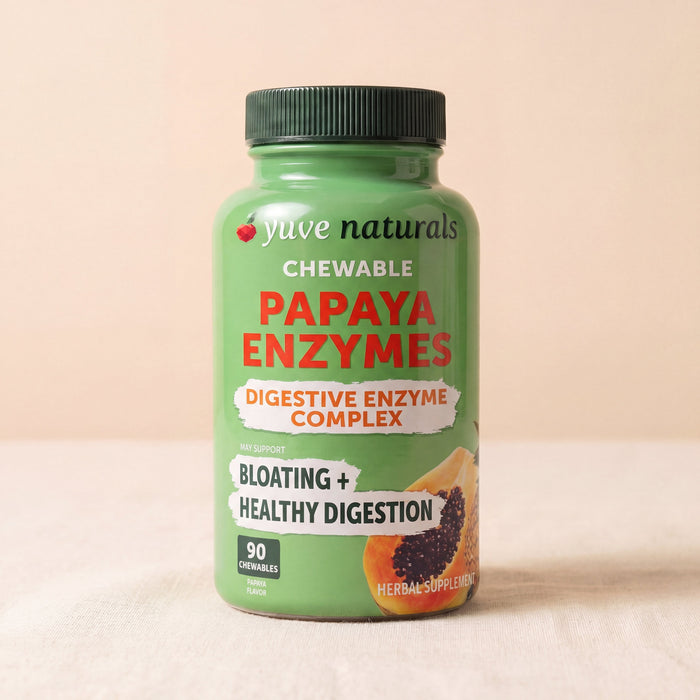
Supplementation should support your food plan, not replace it. Some people use digestive enzymes around meals that are reliably harder to digest, and that can be a practical choice when you already know certain foods are a problem.
The same idea applies to any add-on. Use it for a clear reason, watch how your body responds, and keep the basics, fiber, fluids, and routine, doing the heavy lifting.
Sleep, Stress, Movement, and Daily Habits
IBS often shows up in the places people forget to look first, your sleep, your stress load, your daily movement, and the rhythms you keep around meals. If you keep treating flare-ups like random bad luck, you miss the pattern that is right in front of you.

Put the routine on your side
The same Queensland Health targets apply here, 30 minutes of exercise five times a week, under three cups of caffeine, and at least eight cups of water daily. Add in steady meal timing and you give your gut fewer surprises to react to.
Mayo Clinic also supports slowing down fiber changes instead of rushing them (Mayo Clinic treatment guidance). That fits the bigger pattern here, your gut usually does better with repetition than with dramatic resets.
Simple rule: eat at regular times, slow your pace at meals, and move your body before your stomach gets a vote.
Habits that help
- Eat slower: chewing well reduces swallowed air and gives your gut less to sort out.
- Do a short breathing reset before meals: a few calm breaths can help your body shift out of fight-or-flight mode.
- Keep evenings light: heavy late meals often make the next day rougher.
- Protect your sleep: poor sleep can make symptoms feel sharper and recovery slower.
If anxiety keeps driving the cycle, anxiety therapy NYC is worth looking into, especially when meal fear starts running the day. Stress and gut symptoms feed each other, so dealing with both at once is the smarter move.
The goal is not perfection. It is a routine you can keep on ordinary days, because that is what makes flare days less chaotic.
Adding Probiotics and Prebiotics Safely
Probiotics and prebiotics are easy to confuse, so let's keep it simple. Probiotics are live helpful microbes, while prebiotics are the fibers that feed them. One is the guest, the other is the meal.

Try one thing at a time
If you're going to trial a probiotic, pick one product or strain, commit to 4 weeks, and score your symptoms the same way each day. If things clearly worsen, stop. Don't keep stacking products and hoping the chaos sorts itself out.
That “one variable at a time” rule matters because strain choice is more useful than hype about huge CFU numbers. A good everyday formula can be a sensible foundation, especially if it fits your diet and you remember to take it.
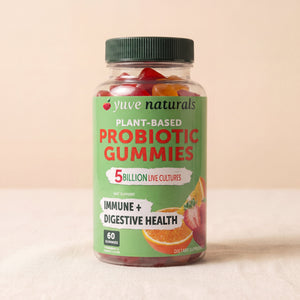
Yuve's vegan probiotics fit that kind of practical approach, a clean, plant-based option you can build into a routine instead of treating like a panic button. If you're trying to support digestion in a steady, proactive way, that's the mindset to use.
Prebiotic foods belong here too
Prebiotic-rich foods can help, but people with IBS should start them slowly. If your gut is already touchy, a sudden jump in fermentable fiber can backfire. That's why gradual change beats enthusiasm every single time.
Medications still have a place
Lifestyle and diet come first, but medication isn't failure. It's a tool.
- IBS-D: loperamide is commonly used for diarrhea control.
- IBS-C: osmotic laxatives are commonly used for constipation.
- Pain-predominant IBS: antispasmodics may be discussed for cramping.
Those choices should be discussed with a clinician, not self-stacked like you're assembling a supplement shelf in a hurry. If you have unintended weight loss, blood in stool, new symptoms after age 50, nighttime symptoms that wake you up, or a family history of colorectal cancer or celiac disease, stop self-managing and book an appointment. Bring your diary. It makes the visit far more useful.
For a deeper dive into the difference between the two supplement categories, the guide on prebiotics and probiotics for gut health is worth a look.
A quick reality check
Not every probiotic works for every person with IBS. That's annoying, but it's also why patient, structured trials beat random guesswork.
Long-Term Maintenance and Relapse Prevention
IBS is a long game. I've seen too many people build a decent routine, feel better, then drift back into chaos the second life gets busy. The goal isn't perfection, it's a plan that still works when travel, stress, or restaurant meals show up.

Use a 30-60-90 day reset
Days 1 to 30, build your baseline and track symptoms. Keep meals steady, use your diary, and settle on the fiber and fluid routine you can maintain.
Days 31 to 60, fine-tune meals, fiber, and your probiotic routine. You will notice which patterns are stable and which ones still need work.
Days 61 to 90, stress-test the plan. Try a restaurant meal, a travel day, or a higher-stress week and see whether your routine holds.
Have a relapse drill ready
When symptoms flare, don't spiral into a dozen new changes at once. Stop introducing new foods, go back to your safest meals, protect sleep, breathe, and keep your routine boring for a few days.
If symptoms don't settle within two weeks, or if any red-flag symptoms show up, see a clinician. That's not overreacting, that's being smart.
Keep this saved: baseline meals, slow fiber changes, regular sleep, steady hydration, tracked triggers, and one probiotic trial at a time.
Yuve's vegan probiotics fit naturally, as a steady part of a maintenance routine rather than a last-ditch fix. If you want a clean, plant-based way to support gut health while you keep your meals varied and realistic, visit Yuve and look at the options that match your routine.