Ever finish lunch feeling foggy, swollen, and ready for a nap instead of your next task? Your stomach may feel like it has betrayed you, but bloating, energy dips, and digestive discomfort usually involve more than one food or one “bad” bacterium.
The science of gut health gives us a more useful picture. Your gut is an ecosystem, a chemical factory, an immune training ground, and a protective barrier. It also responds to what you eat, how quickly you eat, your sleep, movement, stress, and sometimes carefully selected supplements. The goal isn't to chase a perfect microbiome. It's to understand what your microbes are doing and make changes your body can tolerate.
When Your Gut Runs the Show and You Did Not Notice
Your morning starts normally. You drink coffee, rush through breakfast, and answer messages before your body has fully woken up. By lunch, you're hungry enough to eat quickly. A few hours later, your waistband feels tight, your concentration disappears, and the familiar 3 p.m. slump arrives.
That sequence can feel random. It often isn't.
Inside your digestive tract, a vast community of microorganisms processes parts of food that your own enzymes can't fully break down. Those microbes produce compounds that interact with the intestinal lining, immune system, and nervous system. Their activity doesn't dictate every mood change or energy fluctuation, but it can influence how your body handles food and communicates with itself.
Think of your gut as a hidden control room, not a simple tube. The microbes inside it help transform fermentable carbohydrates into metabolites, including short-chain fatty acids. They also interact with mucus, intestinal cells, bile acids, and immune signals. The result can show up as bowel regularity, food tolerance, abdominal pressure, or a sense that your digestion is either cooperating or staging a small protest.
A kinder starting point: Digestive symptoms aren't a moral failure, and they aren't proof that you lack discipline. Your gut responds to biology, context, and individual tolerance.
The tricky part is that generic gut-health advice often skips the details. “Take a probiotic” doesn't tell you which strain, for what purpose, or whether the product will suit your symptoms. “Eat more fiber” ignores the fact that fast-fermenting fibers can create gas and discomfort. Composition matters, but microbial function and tolerability matter just as much.
Meet the Trillions Living Inside You
A microbiome is the community of microorganisms living in a particular environment. Your gut microbiome includes bacteria and other microbes that interact with food, intestinal cells, and one another.
A helpful analogy is a rainforest. Different organisms occupy different niches, consume different materials, and produce compounds that affect the whole ecosystem. A rainforest with varied plant life may respond differently to drought or disease than a field dominated by one species. Your gut works in a similarly dynamic way, although the biology is far more complex.

Scientists often describe broad bacterial groups, called phyla, including Firmicutes, Bacteroidetes, Actinobacteria, and Proteobacteria. These labels don't tell you whether your gut is “good” or “bad.” They describe large branches of bacterial classification, and the balance varies from person to person.
- Firmicutes include bacteria that help process complex carbohydrates and other nutrients.
- Bacteroidetes contain many organisms involved in breaking down dietary materials and interacting with the immune system.
- Actinobacteria include Bifidobacterium, a group often associated with carbohydrate fermentation and gut-supportive activity.
- Proteobacteria include many harmless residents, but an increase in potentially disruptive members can signal ecological stress.
The useful question isn't whether one group is present. It's whether the ecosystem has enough functional variety and remains stable when your diet, medication, or routine changes.
Helpful, neutral, and opportunistic microbes
Some microbes are commensal, meaning they live alongside you without causing clear harm. Others may perform functions that benefit the host under particular conditions. Opportunistic organisms can remain relatively quiet but create problems if the surrounding ecosystem changes.
Dysbiosis describes an imbalance in microbial composition or activity. It isn't a single diagnosis, and it can't be identified reliably by looking at one organism in isolation. The field still lacks standardized ways to define a “healthy” microbiome, compare samples, and determine whether a dietary change creates durable benefits, as described in a 2025 review of diet and gut-microbiome methods.
That uncertainty matters. A test can provide information, but it doesn't automatically explain every symptom or prescribe the perfect meal plan.
What the Gut Microbiome Actually Does for Immunity and Energy
The gut microbiome performs several jobs at once, but three are especially useful for understanding everyday gut health: protecting the intestinal barrier, educating immune responses, and converting food components into usable metabolites.
The intestinal barrier
Your intestinal lining is a living filter. It lets nutrients cross while helping keep unwanted material from passing freely into the body. Microbial metabolites, including short-chain fatty acids, indole derivatives, and bile acids, interact with tight junctions, mucus production, epithelial repair, and mucosal immune activity. Together, these processes influence intestinal permeability and inflammation, according to research on gut barrier integrity and synbiotic approaches.
Immune education
A large part of immune activity occurs near the gut. Microbial signals help the immune system distinguish between harmless material, useful residents, and possible threats. This doesn't mean a particular food or supplement can “boost” immunity on demand. It means the gut ecosystem participates in ongoing immune regulation.
Energy harvesting
Your own digestive enzymes don't break down every fermentable carbohydrate. Microbes can ferment certain fibers and produce acetate, propionate, and butyrate, the main short-chain fatty acids. These compounds support bowel function and are associated with immune modulation, mineral absorption, and resistance to some pathogens, according to this expert consensus review on prebiotics.
| Function | Mechanism | Everyday effect |
|---|---|---|
| Barrier support | Microbial metabolites interact with tight junctions, mucus, and epithelial repair | A more supported intestinal lining |
| Immune regulation | Microbial compounds help shape mucosal immune activity | More balanced communication between microbes and immune cells |
| Fermentation | Microbes convert selected carbohydrates into short-chain fatty acids | Changes in bowel function and the way meals feel afterward |
These pathways help explain why dietary fiber can support health beyond regularity. They don't prove that every person will experience better mood, steadier blood sugar, or less bloating after adding the same food. The microbiome-brain connection remains an active research area, and personal responses differ.
For a practical look at the relationship between digestion and daily stamina, explore gut health and energy levels. The plain-language takeaway is simple: what your microbes produce may matter as much as which microbes are present.
The Uncomfortable Truth About Bloating and Fermentation
Fermentation is one of the gut microbiome's most useful abilities, and it can also produce the unwelcome gas that makes your jeans feel hostile by midafternoon.
When microbes ferment certain fibers, resistant starches, and sugars, they create short-chain fatty acids along with gases such as hydrogen, methane, and carbon dioxide. But bloating isn't usually explained by gas volume alone. A major review identifies impaired gas handling, gut hypersensitivity, altered microbiota, and abnormal abdomino-phrenic reflexes as important mechanisms. In plain English, the way your gut moves and clears gas can matter more than how much gas it contains, as explained in this review of bloating mechanisms.
Fermentation isn't automatically a problem
A quickly fermented ingredient may trigger pressure in one person and feel perfectly comfortable in another. Inulin and oligofructose, for example, can ferment readily. Other fibers may be gentler for some people, but no fiber is universally comfortable.
| Fiber type | Fermentation speed | Typical gas output | Tolerance tip |
|---|---|---|---|
| Inulin and oligofructose | Often fast | Can be noticeable | Start with a small serving |
| Resistant starch | Variable | May increase as microbes adapt | Introduce gradually |
| Psyllium | Variable and often slower than rapidly fermented fibers | Can still cause gas or cramping | Take with sufficient fluid |
| Partially hydrolyzed guar gum or acacia | Often described as gentler options | May be easier for some people | Adjust slowly and track symptoms |
The Linus Pauling Institute notes that fiber fermentation produces short-chain fatty acids and gas, and that fermentable fibers including inulin, oligofructose, resistant starch, and psyllium have been associated with symptoms such as cramping, bloating, gas, and diarrhea in some people. Read more about the fermentation process if you want a closer look at how microbes turn food into metabolites.
Practical rule: If adding fiber makes you miserable, don't assume fiber is “bad.” The dose, type, speed of introduction, meal context, and your underlying sensitivity may all need attention.
Persistent or severe bloating deserves clinical evaluation, especially when it occurs with alarming symptoms. Consumer content also tends to treat one diet as universal, even though gut research has substantial gaps in standardized testing and population representation. A food strategy that works in one group may not translate neatly to every diet pattern, health system, or cultural food tradition.
Prebiotics Explained as Food for Your Inner Garden
A prebiotic isn't just any ingredient labeled “fiber.” Expert consensus defines prebiotics as substrates that host microorganisms selectively use and that provide a health benefit. Their main action isn't direct digestion by your body. It's selective microbial fermentation that can increase short-chain fatty acid production and influence the gut environment, according to the consensus review on prebiotic science.
That distinction helps separate targeted tools from broad nutrition categories. Cellulose can contribute to stool bulk, for example, but it isn't automatically a prebiotic just because it's a fiber. A true prebiotic needs evidence of selective use and a meaningful benefit.

Food sources and concentrated options
Commonly discussed prebiotic substrates include fructans, galacto-oligosaccharides, partially hydrolyzed guar gum, beta-glucans, and resistant starch. Food sources can include garlic, leeks, oats, legumes, and cooled potatoes, although the amount and tolerability depend on the serving and preparation.
| Option | What it offers | Potential challenge |
|---|---|---|
| Oats and beta-glucans | A familiar fermentable substrate | Large portions may feel heavy for sensitive digestion |
| Legumes and GOS | Fermentable carbohydrates that can support selected microbes | May cause gas when introduced abruptly |
| Garlic and leeks | Fructans in flavorful foods | Can be difficult for some people with food sensitivities |
| Cooled potatoes | Resistant starch created through cooling | Tolerance varies with portion and meal |
| Fiber supplement | More controlled serving size | Concentrated products can still cause symptoms |
The Linus Pauling Institute's overview of fiber fermentation captures the trade-off clearly. Fermentation can create beneficial short-chain fatty acids, but it can also create gas and digestive symptoms.
A gentle approach beats a heroic one. Add a small amount, keep the rest of your routine steady, and give your body time to respond. A rough starting framework is increasing intake by 2 to 5 grams per week, but that number should be treated as a practical adjustment range, not a guarantee. If you have significant symptoms, a registered dietitian can help you choose a more suitable fiber type.
For food ideas, see what foods are high in prebiotics. Once you understand prebiotics as microbial food, probiotics become easier to place. One feeds selected residents. The other supplies live microorganisms.
Probiotics, Synbiotics, and Where Yuve Fits In
A probiotic is a live microorganism shown to provide a health benefit when consumed in an appropriate amount. That definition leaves out a lot of marketing language. “Friendly bacteria” isn't enough information because probiotic effects depend on the exact strain, the product's formulation, the dose, and the reason you're taking it.
A product containing a species name alone may not tell you how it was studied. Look for a clearly identified strain and evidence connected to your goal. A supplement studied for antibiotic-associated diarrhea may not have the same evidence for bloating, constipation, or general wellness.
Why synbiotics are different
A synbiotic combines live microorganisms with a substrate intended to support them. The idea is complementary, not magical. The probiotic supplies selected microbes, while the prebiotic component can provide a usable substrate. Some studies report that combined approaches increase short-chain fatty acids and reduce potentially harmful genera more consistently than probiotics or prebiotics alone, although results vary by formulation and population. The distinction between the two categories is also summarized in this review of probiotics and prebiotics.

Before choosing a product, ask:
- Strain specificity: Is the exact strain identified?
- Use case: Does the evidence match your reason for taking it?
- Label clarity: Does the label explain the live count and storage requirements?
- Tolerance: Does the formula contain fibers or ingredients that may worsen your symptoms?
People exploring probiotics to strengthen your immune system should use the same careful approach. “Immune support” is broad, while research often tests a specific strain and outcome.
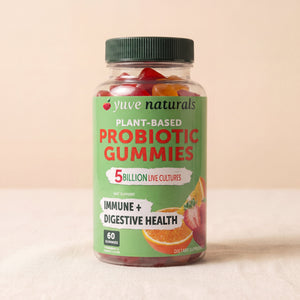
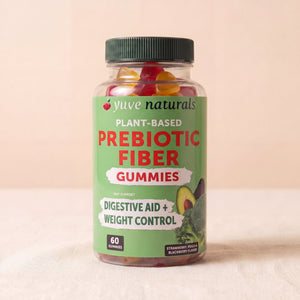
Yuve offers Gut Restore, a product positioned around gut lining support, and its product range also includes probiotic and prebiotic formulas. If you're considering a Yuve product, read the ingredient label, introduce it consistently, and treat your symptoms as useful feedback. A supplement can be part of a gut-health plan, but it can't replace medical assessment for persistent pain, bleeding, unexplained weight change, or severe bowel changes.
Sam's Story and Your Daily Gut Health Routine
Sam is a 34-year-old graphic designer who spent three years blaming stress for afternoon bloating, brain fog, and energy crashes after lunch. A stool test showed low levels of Akkermansia and Bifidobacterium, but the result didn't provide a universal explanation or a magic prescription.
She started with a less dramatic plan. She layered fiber into meals gradually, added a targeted synbiotic, walked after lunch, and tracked sleep, water intake, food timing, and symptoms. During the first two weeks, some meals felt easier and her afternoon routine became more predictable. She also overdid kimchi one day and spent the evening regretting her enthusiasm. That rough patch taught her an important lesson: fermented foods can be useful, but more isn't automatically better.

Her routine became simple enough to repeat:
- Morning fiber: Oats, berries, or another tolerated prebiotic-rich breakfast.
- Steady hydration: Drink fluids consistently rather than trying to catch up late in the day.
- Mindful lunch: Slow down, chew thoroughly, and notice whether rushing changes symptoms.
- Consistent synbiotic timing: Take the selected product at the same time each day, following its label.
- Evening wind-down: Protect sleep and create a calmer transition away from work.
Sam's experience doesn't prove that the same sequence will work for everyone. It shows why tracking one or two variables at a time can be more informative than changing your entire diet overnight.
Small changes are still data. A calmer meal, a more comfortable bowel movement, or a less dramatic afternoon can help you identify what your body tolerates.
Use this copy-paste checklist:
- Choose one fiber-rich breakfast.
- Add fiber gradually.
- Walk after a meal if movement feels comfortable.
- Record symptoms without judging yourself.
- Keep sleep and meal timing reasonably consistent.
- Stop escalating a food or supplement just because “more” sounds healthier.
Gut Health Questions Readers Ask Most
How long does it take to notice changes?
Some people notice changes in comfort or bowel habits within weeks, while microbial shifts and durable effects can take longer. Your baseline diet, symptoms, fiber type, medication history, and consistency all matter. Don't judge a strategy after one meal, but don't force it for months if it clearly worsens your symptoms.
Are probiotics safe for most people?
Many healthy people tolerate probiotics, but safety depends on the product, the strain, and the person taking it. People who are seriously ill, immunocompromised, or managing complex medical conditions should ask a clinician first. Children need age-appropriate guidance, and infants should only receive a probiotic with advice from a pediatrician.
Can plant-based eaters support their microbiome?
Yes. Plant-based eaters can obtain fermentable substrates from foods such as oats, legumes, resistant-starch foods, vegetables, and fruit. Fermented foods, including tempeh, kimchi, and sauerkraut, can add variety, while a targeted supplement may help when food options or tolerance are limited. Build slowly, because a plant-based diet can still contain fibers that trigger gas.
When should I seek professional help?
Contact a healthcare professional for persistent blood in the stool, unexplained weight loss, severe pain, ongoing vomiting, or a major and lasting change in bowel habits. Bloating that repeatedly interferes with daily life also deserves more than internet troubleshooting.
The best routine combines fiber-rich eating, gradual change, movement, sleep, and appropriate clinical support. Supplements can complement those foundations, but they shouldn't distract from them.
Yuve offers gut-focused products, including Gut Restore and probiotic and prebiotic formulas, that can fit into a structured routine built around tolerable nutrition and consistent habits. Visit Yuve to review the available options and choose a gut-health approach you can realistically maintain.