Ever get to mid-afternoon and feel like your stomach's trying to unzip itself from the inside? You ate breakfast, you thought lunch was normal, and now you're sitting there wondering if your body is being dramatic or trying to tell you something useful.
That uncomfortable tightness isn't a moral failure, and it's not always about one “bad” meal. Gut health digestion & microbiome support starts with noticing patterns, because digestion is a daily process, not a one-time test. Digestive diseases are a major global health burden, with 88.99 million DALYs in 2019, equal to 3.51% of all global DALYs, and they ranked as the 13th leading cause of DALYs worldwide (global burden review). That's a big reason to stop guessing and start observing.
The good news is that the gut isn't mysterious once you learn the basics. Your body does a lot of the work, microbes do the rest, and the key question is less “Which bacteria am I missing?” and more “How is my digestion performing day to day?”

When Your Afternoon Bloating Tells a Bigger Story
By lunch, you felt normal. By 3 p.m., your waistband feels suspiciously personal. That kind of day sends people hunting for a “bad” food, when the more useful question is what your digestion is doing with what you ate.
The microbiome is part of the digestion team
Your gut microbiome is the community of microbes living mostly in the large intestine. A major history review traces the field's early milestones back to 1944, with later steps including 1958 fecal microbiota transplantation for Clostridioides difficile infection and 1965 transfer experiments in germ-free animals.
That history matters because the microbiome is active, not decorative. These microbes help ferment food components your own enzymes cannot fully handle, and they take part in gas production, signaling, and the creation of helpful compounds. Another review notes that healthy adults typically harbor more than 1,000 bacterial species, with Bacteroidetes and Firmicutes as dominant phyla.
So yes, some bloating is normal. Repeated bloating after ordinary meals often points to a digestion issue worth watching closely.
Practical rule: if the same discomfort keeps showing up after certain meals, the pattern matters more than a random one-off reaction.
The story I hear most often sounds like this. Breakfast feels fine, lunch is “nothing special,” and then the afternoon brings fullness, pressure, or gas that lingers longer than it should. That does not mean your gut is broken. It means the handoff from food to digestion to microbial processing deserves attention.
If you like learning through comparison, our guide to balancing your gut flora is a helpful companion read for understanding what a steadier baseline can look like.
How Digestion and the Microbiome Actually Work Together
Digestion works like a relay race. Your mouth starts the first leg, your stomach and small intestine keep the baton moving, and then the colon finishes the job with microbial help. If one handoff gets clumsy, you feel it as bloating, irregularity, or that heavy, sluggish post-meal fog.
Human enzymes do one job, microbes do another
Human enzymes handle most of the breakdown of proteins, fats, and simple sugars in the small intestine. Then the microbiome takes over in the large intestine, where microbial enzymes keep digestion going by fermenting resistant polysaccharides, modifying bile acids, and transforming phytochemicals into bioactive compounds that generate short-chain fatty acids such as acetate, propionate, and butyrate (digestive mechanics review).
That's the key point. The microbiome isn't a separate side system, it extends the work your own digestive enzymes begin.
Why the byproducts matter
Those microbial byproducts aren't random leftovers. Short-chain fatty acids, or SCFAs, help nourish the gut lining and support a healthier intestinal environment. Fermentation also creates gas, which is normal in modest amounts, but if you're constantly uncomfortable, it can mean your gut is struggling with the timing, type, or amount of food being processed.
A simple way to understand this is
- Chewing and stomach processing break food into smaller pieces.
- Small-intestine enzymes absorb what your body can use right away.
- Colon microbes ferment what's left, especially fibers and resistant starches.
- SCFAs and metabolites feed gut tissues and influence signaling.
If you're curious how this microbial logic applies beyond the human body, the article on encouraging soil microbes offers a surprisingly useful parallel. Healthy ecosystems, whether in soil or in your colon, depend on the right inputs.
Here's a useful gut-health mindset shift. Supporting the microbiome is supporting the last, often overlooked part of digestion. That's why foods, supplements, timing, and stress all matter together instead of one magic capsule fixing everything.

A short video can make the same sequence easier to picture.
Common Signs Your Gut Is Out of Balance
Gut discomfort usually doesn't show up as one dramatic event. It shows up as a cluster of little annoyances that start feeling normal because they happen so often. That's why so many people live with symptoms for months before they connect the dots.
The everyday signals to watch
A few patterns are especially common:
- Persistent bloating after ordinary meals, not just after a huge dinner.
- Irregular bowel movements, including constipation, loose stools, or switching back and forth.
- Excessive gas that feels disruptive, awkward, or painful.
- Feeling tired after meals, especially when lunch leaves you foggy instead of fueled.
- Brain fog that makes it hard to focus in the afternoon.
- Skin changes that seem unexplained and come and go with digestion issues.
Bloating is especially easy to minimize, but it's measurable and common. One NIH-linked survey found 13.9% of 88,795 adults reported bloating in the past 7 days, and another population study estimated weekly bloating at nearly 18% globally, ranging from 11% in East Asia to 20% in Latin America (bloating prevalence study). That doesn't make it “normal” in the sense of “ignore it.” It makes it common enough to deserve attention.
Feeling full hours after a normal meal is data. So is needing coffee just to have a bowel movement.
When to stop self-experimenting
Some symptoms deserve clinical care, not more guesswork. Get checked if you notice blood in stool, unexplained weight loss, severe pain, persistent diarrhea beyond two weeks, or new symptoms after age 50. Those aren't the moments for a probiotic shrug and a hope-for-the-best plan.
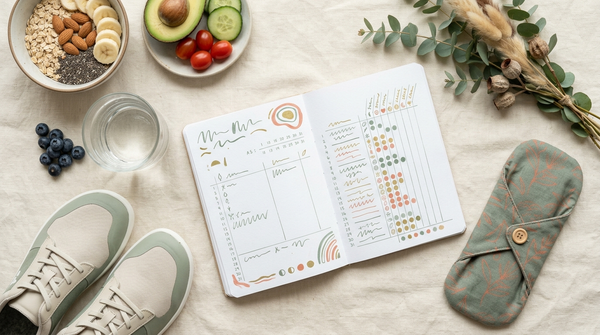
If you want to start smart, keep a short log for one to two weeks. Note what you ate, when symptoms showed up, what the stool looked like, and whether stress or sleep was off. That's usually more useful than trying to identify which bacteria are “missing,” because your body gives better clues than a random label ever will.
Prebiotics, Probiotics, and Herbal Blends Compared
People often lump all gut products together, but they do different jobs. A prebiotic feeds microbes. A probiotic adds live organisms. An herbal blend usually aims at comfort, motility, or gas relief rather than rebuilding the microbiome itself.
What each one does in plain English
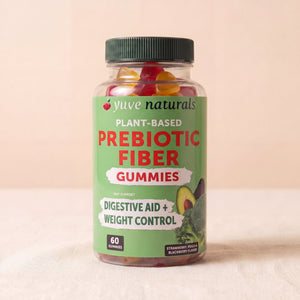
Prebiotics are non-digestible carbohydrates that are selectively fermented in the colon. Research review data shows they can increase beneficial taxa such as Bifidobacterium and Lactobacillus while raising SCFA production, with links to stool frequency, consistency, intestinal barrier function, and immune signaling (prebiotic review). That's why they're often a strong fit for people with sluggish regularity or repeated bloating tied to low fiber intake.
Probiotics are more strain-specific. The U.S. Veterans Health Library notes that many expert recommendations cluster around 1 × 10^9 CFU per day, while some gut-disorder uses may go up to 1 × 10^11 CFU daily, often separated from antibiotics by about 2 hours (VA guidance). The point isn't “more is always better.” The point is that strain, dose, timing, and survival through stomach acid all matter.
Herbal blends such as ginger, peppermint oil, fennel, artichoke, and turmeric may be useful when the main problem is gas, cramping, or post-meal heaviness. They're comfort tools, not long-term microbiome builders.
How to choose without getting overwhelmed
Read the label for specifics, not hype. Look for strain names, CFU counts, third-party testing, and a dose that matches the use case.
If you want a simple framework, start with the symptom pattern:
- Bloating after meals, consider a prebiotic strategy if fiber is low.
- Irregularity, look at prebiotics first, then a targeted probiotic.
- Post-antibiotic recovery, a probiotic is the more direct fit.
- Gas and cramping, an herbal blend may help short term.
For a deeper compare-and-contrast, what are prebiotics vs probiotics is a useful internal reference. If you're trying to make one choice instead of five, choose the category that matches the symptom you want to change.
| Category | What It Does | Best For | Watch Out For |
|---|---|---|---|
| Prebiotics | Feeds beneficial microbes and supports fermentation | Low fiber intake, irregularity, stool consistency | Too much too fast can increase gas |
| Probiotics | Adds live microbes in a strain-specific way | After antibiotics, some IBS-style patterns, short-term support | Strain and dose matter, not all blends are equal |
| Herbal Blends | Targets comfort, motility, or gas | Occasional cramping, post-meal heaviness | Not a long-term replacement for diet quality |
A Simple Daily Plan for Better Digestion
A gut-friendly day doesn't need to feel strict. It needs to be repeatable. The most helpful routines usually look boring on purpose, because consistency beats digestive chaos.
Build the day around gentle anchors
Start breakfast with fiber diversity, not just calories. Oats, berries, chia, or flax give your microbes something to work with, and the mix matters more than making one perfect bowl. During the day, sip water between meals instead of chugging randomly, then build lunch around plants plus a lean protein so your digestion isn't doing all the heavy lifting at once.
A fermented snack can fit in naturally. Kefir, kimchi, or another fermented food works well if you tolerate it, especially when you're trying to give your gut more microbial variety from food rather than chasing a single supplement fix.
Cooked vegetables at dinner are often easier to handle than a giant raw salad, especially if you're already prone to bloating. Add a short walk after eating, because gentle movement can support how food moves through your stomach and intestines without turning dinner into a workout.
Make timing part of the plan
Sleep timing matters more than people expect. Eating late, sleeping irregularly, and scrolling through dinner all tend to make digestion feel harder than it needs to be. A 5-minute breathing break before meals can help shift your body out of the stressed, rush-everything mode that makes bloating worse for a lot of people.
The supplement slot should match the symptom. A targeted prebiotic, probiotic, or herbal blend belongs in the part of the day that fits your pattern, not as a random afterthought. If your issue is irregularity, that points you one way. If it's post-antibiotic recovery, that points you another. If it's gas and cramping, the choice changes again.

Daily digestion checklist
- Fiber-rich breakfast, oats, berries, seeds, or flax.
- Water spaced through the day, not all at once.
- Lunch with plants and protein, so digestion stays steady.
- Fermented food or a targeted supplement, based on your symptoms.
- Cooked vegetables at dinner, especially if raw foods bloat you.
- 5-minute breathing pause before meals, to calm the stress response.
- Gentle walk after eating, even if it's just around the block.
- Screens off during at least one meal, so you notice your body.
Why Gut Function Matters More Than Bacterial Diversity
The internet loves the idea that more bacterial diversity automatically means better health. I do not think that's a helpful way to judge your gut in real life. Diversity can matter, but it's only one part of the picture, and it doesn't tell you whether your digestion is working better.
Function is what you feel day to day
A 2026 review argued that microbial functional capacity, metabolic activity, resilience, and redundancy are better markers of gut health than fecal composition alone, while also noting reproducibility limits from individual variability and fecal-only testing (function-first review). The practical takeaway is simple. Two people can have different microbiome profiles and still feel fine if gut function is intact.
That's a much saner way to think about progress. If your stool is more predictable, your post-meal comfort improves, your afternoon energy holds steady, and your skin or mood settles down, then something useful is happening even if a test doesn't look flashy.
What to track instead of chasing diversity
For the next 2 to 4 weeks, watch these outcomes:
- Stool consistency, especially if you're swinging between extremes.
- Post-meal comfort, including bloating, gas, and heaviness.
- Energy after lunch, since that's when many people notice the slump.
- Skin or mood changes, if those tend to move with your digestion.
That function-first approach fits the Yuve philosophy well. The point isn't to flood your system with random strains and hope for the best. The point is to use food and supplements in a way that changes how you feel and how your digestion behaves.
If the product doesn't change a real-world outcome, it's not doing enough for your body, no matter how exciting the label looks.
Practical Guidance for Vegans, Parents, and Eco-Conscious Shoppers
Different lives need different gut strategies. Vegan eaters, parents, and eco-conscious shoppers all face their own version of the same challenge, which is choosing something effective without making meals or shopping feel exhausting.
Three paths, one goal
Vegans often do well with kimchi, sauerkraut, tempeh, miso, resistant starch sources, and other plant-based fibers. The one thing to watch is over-relying on fortified foods without enough variety, because gut support still depends on the whole pattern. If you want a deeper plant-based guide, vegan gut health keeps the focus on food-first structure.
Parents need a calmer lens. New mum routines already have enough moving parts, which is why a practical resource like new mum must-haves can be helpful when life is crowded. For gut support, the smart move is diverse fibers early, cautious probiotic use in specific situations, and a pediatrician's input when symptoms are persistent or worrying.
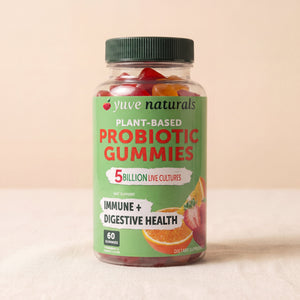
Eco-conscious shoppers usually care about more than ingredients, and that's fair. Refillable packaging, third-party testing, sustainably sourced fibers, and supply-chain transparency are all part of the decision. In that lane, Yuve's vegan-friendly, transparent positioning fits naturally as one option for people who want plant-based support without a lot of environmental baggage.
A simple starting point for each group
| Audience | Top Priority | Watch Out For | First Habit to Try |
|---|---|---|---|
| Vegans | Plant diversity and fermented foods | Depending too much on one “gut” ingredient | Add one fermented food and one resistant starch source |
| Parents | Gentle, consistent routines | Label overload and unnecessary supplements | Make one fiber-rich meal more predictable |
| Eco-conscious shoppers | Transparency and low-waste choices | Greenwashing claims without proof | Check packaging and sourcing before buying |
Pick one habit, not seven. That's how gut support becomes sustainable instead of another wellness project that burns out by Thursday.
Quick Answers to the Gut Health Questions You Still Have
How long does it take to notice a change? Food changes often need a few days to a few weeks to show up in your symptoms, while probiotic supplements can also vary a lot by strain and dose. The best sign you're on the right track is a real-world change, not a perfect label claim.
Should kids follow the same gut plan as adults? Not exactly. Children usually do better with fiber variety, regular meals, and clinician guidance instead of self-directed supplement stacking.
Do supplements replace food? No. They're most useful when they support a pattern that already includes fiber, hydration, movement, and sleep.
When should I get medical help instead of experimenting? If you have unexplained weight loss, blood in stool, persistent pain, night sweats, or symptoms that don't settle, it's time to talk with a clinician.
The best gut strategy is still the simplest one. Track what happens, look for patterns, and let your body's response guide the next move.
If you want a calmer, more practical way to support digestion, explore Yuve for vegan-friendly gut health options that fit a function-first routine. You'll find plant-based supplements designed to support digestion without turning your day into a chemistry experiment.