Ever feel like your stomach inflates by afternoon, your jeans suddenly feel hostile, and digestion has slowed to a crawl? You may be wondering whether adding more fiber will help, or whether it'll bring an unwelcome side effect, dun, dun, dun, more gas.
The answer to what prebiotic fiber does is more specific than “it keeps you regular.” Prebiotic fiber is food for selected gut microbes. Those microbes ferment it in your colon, produce short-chain fatty acids, and influence the gut environment in ways connected with microbiome balance, bowel habits, the gut barrier, and immune function. The effect isn't instant, and it isn't identical for everyone. Fiber type, amount, and your existing microbiome all matter.
We'll unpack the process in plain English, compare prebiotic fiber with regular fiber and probiotics, look at food and supplement options, and cover practical ways to reduce bloating while your gut adjusts. You'll also see why a modest, consistent routine usually makes more sense than suddenly taking a large amount and hoping for overnight bloating relief.
Introduction What Prebiotic Fiber Does for Your Gut
You eat a fiber-rich meal, feel proud of your gut-health decision, and then notice your abdomen feels fuller and noisier than expected. If that's happened to you, you're not failing at healthy eating. Your microbes may be responding to a new food source, and your digestive system may need time to adapt.
Prebiotic fiber works as a daily input for your microbiome, not as a quick fix or a digestive “cleanse.” Unlike a vitamin, it doesn't act directly as a finished nutrient. Unlike a drug, it doesn't target one symptom through one pathway. Instead, it travels to the colon, where selected microbes use it as fuel and create fermentation products that affect the local gut environment.
That distinction matters because “eat more fiber” is useful advice, but it's incomplete. Some fibers mainly add bulk or help food move through the digestive tract. Prebiotic fibers selectively feed microbes associated with health, so the type of fiber can shape the response you notice.
You may be interested in prebiotic fiber because you want:
- More predictable regularity, especially if bowel movements feel slow or difficult.
- A better-supported microbiome, with more activity from beneficial bacterial groups.
- Less bloating over time, while recognizing that fermentation can temporarily create gas.
- Support for the gut barrier and immunity, through microbial metabolites and a healthier intestinal environment.
The important phrase is over time. In human research, microbiome and metabolite responses vary by the fiber used, the dose, and the individual. Some people notice digestive changes quickly, while others need a steadier routine before they can tell whether it's helping.
We'll keep the practical side front and center. You'll learn which foods contain studied prebiotic fibers, when a supplement may be useful, how to approach amounts without overwhelming your gut, and how to distinguish ordinary adjustment from a sign that you need professional guidance.
How Prebiotic Fiber Works in Your Gut Microbiome
Think of your gut microbiome as a garden. Your digestive tract contains many different microbial residents, but they don't all use the same food. Prebiotic fiber acts more like targeted fertilizer than a pile of material added to the soil. It gives selected microbes a resource they can ferment and use.
The journey from meal to colon
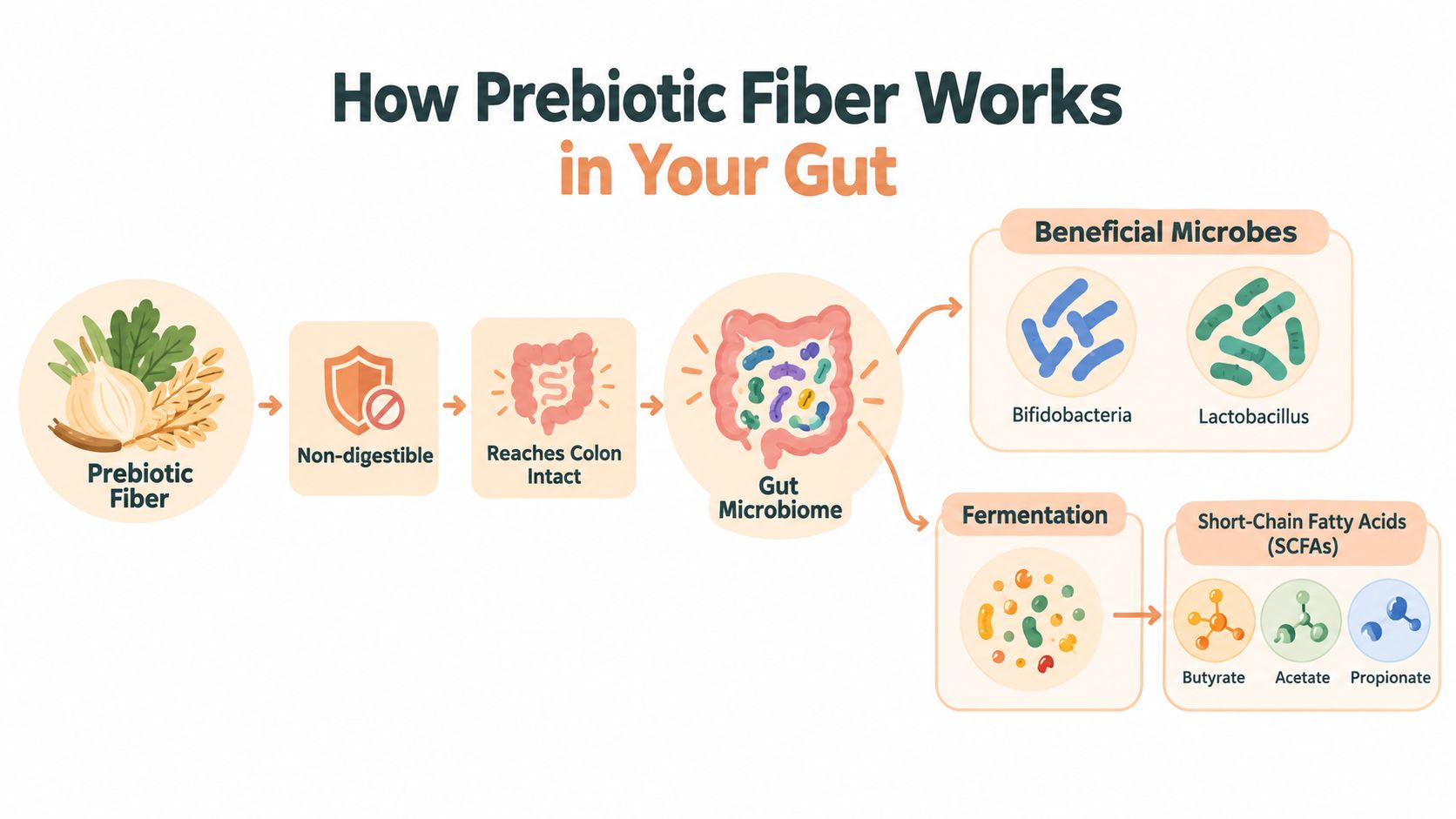
Your upper digestive system can't fully break down prebiotic fiber. As a result, the fiber reaches the colon largely intact. There, gut microbes metabolize it through fermentation. The microbes do not make the fiber disappear. Instead, they transform it into compounds called short-chain fatty acids, including acetate, propionate, and butyrate.
A useful step-by-step picture looks like this:
- You consume a prebiotic fiber.
- Your body leaves much of it undigested as it passes through the upper digestive tract.
- The fiber arrives in the colon, where microbes can access it.
- Selected bacteria ferment the fiber.
- The fermentation produces SCFAs and changes microbial activity.
This process differs from a simple bulking effect. A bulk-forming fiber can add volume and influence how stool moves. A prebiotic fiber can also do that in some contexts, but its defining feature is selective fermentation by microbes. The benefit depends on whether the fiber is fermentable and whether it supports microbial groups linked with health.
Why Bifidobacterium, Lactobacillus, and SCFAs matter
Reviews describe prebiotic fiber as increasing beneficial groups such as Bifidobacterium and Lactobacillus, while also boosting SCFA production. These microbial products can influence the gut barrier and immune signaling. The research review on prebiotic mechanisms explains that prebiotic fiber reaches the colon intact and changes microbial composition and activity through fermentation.
In everyday language, the bacteria are doing the cooking. Prebiotic fiber is the ingredient, fermentation is the cooking process, and SCFAs are some of the finished products. Acetate, propionate, and butyrate are not interchangeable, and the amount produced can depend on the fiber's structure and the microbes present in your gut.
That's why one person may tolerate a fiber well while another experiences noticeable rumbling or flatulence. A fast-fermenting ingredient may provide a strong microbial signal but create more gas during digestion. A different fiber may feel gentler but produce a different pattern of fermentation.
For a deeper look at one classic prebiotic ingredient, explore what inulin fiber is and how it works.
The goal isn't to force your gut into a dramatic change. It's to give your microbiome a consistent, tolerable source of fuel and allow the microbial community to respond gradually.
Key Health Benefits You Can Actually Feel
Prebiotic fiber can sound abstract until you connect it with daily experiences. You may not feel a microbe producing acetate, but you might notice changes in stool consistency, fullness, or how predictable digestion feels. Those outcomes still depend on the particular fiber, the amount, and your own response.
A more supported microbial community
Prebiotic fiber can increase the abundance of beneficial bacterial groups, especially Bifidobacterium and Lactobacillus. A 2013 review of prebiotics and gut health described selective use by beneficial microbes, increased SCFA production, improved gut barrier function, reduced potentially pathogenic bacteria such as clostridia, and stronger host immunity.
What does that mean for you? It doesn't mean one serving instantly “balances” your microbiome. It means regular intake can provide the material that helps certain microbes grow and stay active. A balanced microbiome isn't defined by one perfect bacterial profile, either. Your gut community is personal, and a helpful response may look different from someone else's.
Smoother bowel regularity
Fiber can support stool movement and consistency, but prebiotic fiber shouldn't be treated as a guaranteed laxative. For constipation, a systematic review found a significant benefit with fiber doses above 10 g per day, with a relative risk of 1.72 for improvement, while doses at or below 10 g per day didn't show a statistically significant effect in that subgroup analysis, as reported in the systematic review on fiber and constipation.
That finding doesn't mean you should jump straight to a high amount. A large increase can worsen bloating for some people. It means the amount may matter, and a very small intake may not be enough to change constipation for everyone.
Less bloating over time, not necessarily at first
This benefit needs honest framing. Fermentation can create gas, particularly when you add prebiotic fiber quickly or choose an amount your gut isn't ready to handle. Some people experience more flatulence, while others notice clearer microbiome changes. Recent reviews emphasize that responses vary by person and by prebiotic type, as discussed in this review of prebiotics and individual tolerance.
You may eventually feel less sluggish or more comfortable as your routine settles. But more gas at the beginning doesn't automatically mean the fiber is harmful, and it also doesn't prove that the product is working. Track the pattern instead of judging one uncomfortable day.
Support for the gut barrier and immune function
Your intestinal lining acts as a boundary between the gut contents and the rest of the body. Microbial fermentation products can interact with that environment, while beneficial bacteria and their activity help support gut barrier function and immune signaling.
The evidence supports a connection between prebiotic activity, SCFAs, the intestinal barrier, and immune health, but it doesn't make prebiotic fiber a cure for infections or immune disorders. Think of it as supportive groundwork. Consistent nourishment helps your gut microbes perform their normal functions, while medical conditions still require appropriate care.
A realistic expectation: Prebiotic fiber can support the conditions that help digestion work well. It can't erase every cause of bloating, constipation, or abdominal pain.
Prebiotic Fiber vs Regular Fiber vs Probiotics
Many gut-health conversations blur these terms together. They're related, but they aren't interchangeable. Prebiotics feed selected microbes, probiotics provide live microorganisms, and other fibers may mainly add bulk or improve transit.
| Type | What It Is | Main Action | Example Sources |
|---|---|---|---|
| Prebiotic fiber | A non-digestible, selectively fermented substrate | Feeds selected gut microbes and supports fermentation | Inulin-type fructans, oligofructose, GOS, garlic, onions, chicory root |
| Regular fiber | A broad category that includes fermentable and less-fermentable fibers | May add bulk, hold water, or support movement through the gut | Oats, vegetables, whole grains, seeds |
| Probiotic | Live microorganisms that provide a health benefit when consumed appropriately | Adds or supports specific microbial organisms | Fermented foods or probiotic supplements |
Why “fiber” isn't specific enough
The word fiber covers many structures and behaviors. Some fibers are fermented by gut microbes, while others pass through with less fermentation and primarily influence stool bulk or transit. That's why a generic “eat more fiber” recommendation can miss the question you're really asking: which fiber, for what goal, and at what tolerance level?
Prebiotic fiber is also not the same as a probiotic. If probiotics are the living guests at a dinner table, prebiotics are part of the meal. Adding a microbe without considering its available fuel may not create the response you want, and feeding the microbes already present isn't identical to adding a new strain.
How to choose the category
If your main concern is hard or infrequent stool, a fiber that supports bulk, water retention, or fermentation may be relevant. If your goal is to nourish selected microbes, look for a clearly identified prebiotic ingredient rather than relying on the word “fiber” alone. If you're considering probiotics for a specific symptom, strain and product details matter, and a healthcare professional can help you choose appropriately.
The most useful label-reading questions are simple:
- What kind of fiber is included?
- Is the amount clearly listed?
- Does the product identify a prebiotic ingredient such as inulin, oligofructose, or GOS?
- Can you start with a small amount?
Your response is personal. The fiber that works beautifully for one person may ferment too quickly for another.
Best Food Sources and Supplement Options
Food gives you more than isolated fiber. It can also bring texture, flavor, and a mix of plant compounds that make meals satisfying. Several foods contain inulin-type fructans or galactooligosaccharides, two of the most studied prebiotic categories.
Useful food options include:
- Chicory root, a concentrated source of inulin-type fiber.
- Jerusalem artichoke, another naturally inulin-rich choice.
- Garlic, onions, and leeks, practical additions to savory meals.
- Asparagus, which works in roasted, sautéed, or chilled dishes.
- Bananas, especially when you tolerate them well.
- Oats, an easy breakfast base that can fit into many eating styles.
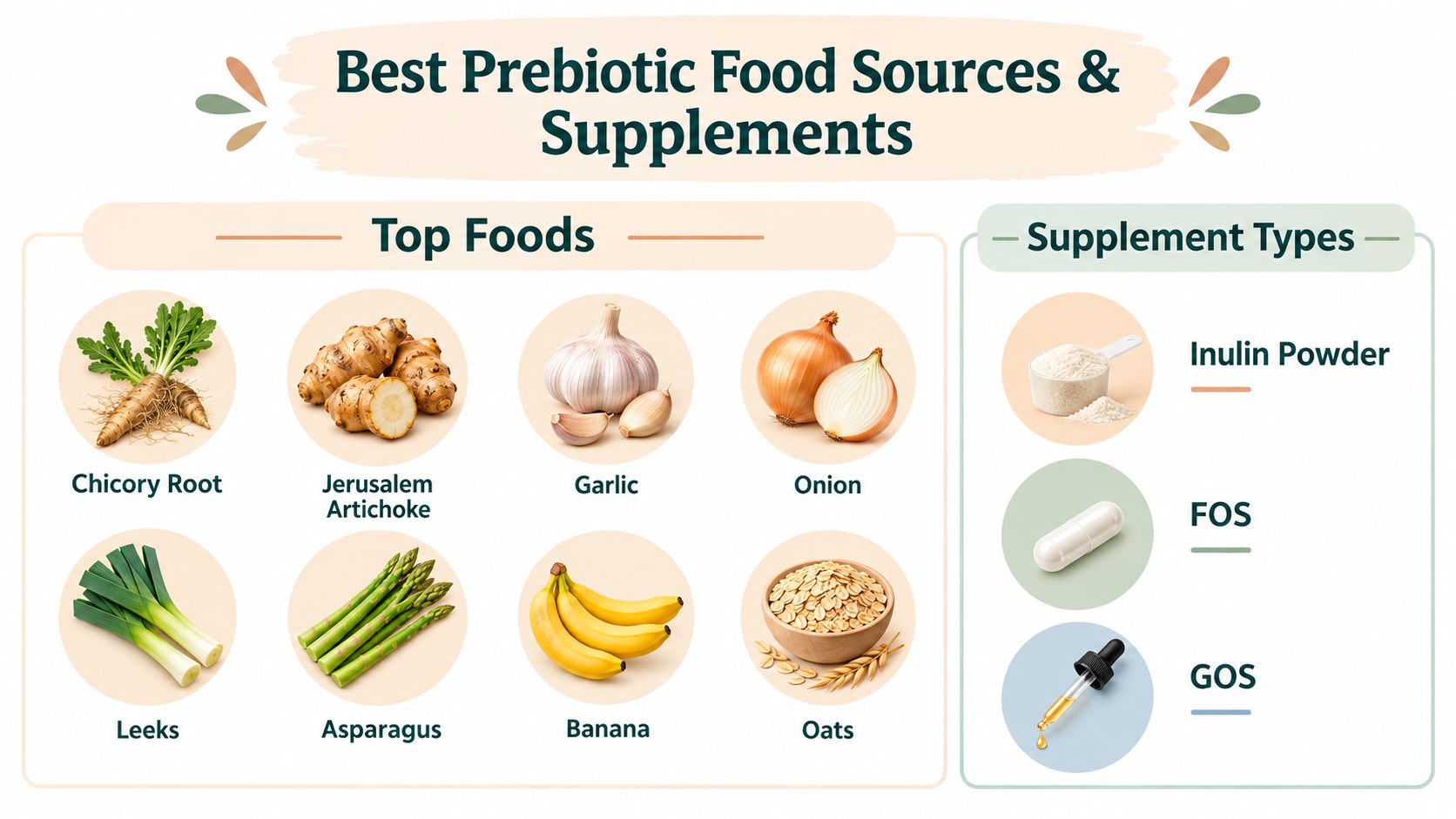
You don't need to eat every food on that list. A small serving of a tolerated food, repeated consistently, may be more useful than a large variety introduced all at once. If garlic and onions trigger symptoms, you can start with oats, asparagus, or another option that feels gentler.
For more meal ideas, see what foods are high in prebiotics.
When supplements make sense
A supplement can offer a more consistent ingredient and a clearly measured serving. That can help when your diet is limited, your schedule makes regular food planning difficult, or you want to test one prebiotic type instead of changing several foods at once.
Common options include:
- Inulin, often derived from chicory root, with strong bifidogenic research but a tendency to cause gas for some people.
- Oligofructose or FOS, shorter-chain fructans that may ferment readily.
- GOS, a galactooligosaccharide that has been studied for its effect on beneficial microbes and may suit some people better than fructans.
Well-established clinical benefits are most consistently seen with inulin-type fructans and GOS at amounts of at least 5 to 8 g per day for 3 to 4 weeks, according to this clinical review of prebiotic dosing and outcomes. Some metabolic outcomes or active mild-to-moderate ulcerative colitis may involve at least 12 to 15 g per day for 8 weeks or longer, which is a context for clinical research, not a self-directed prescription.
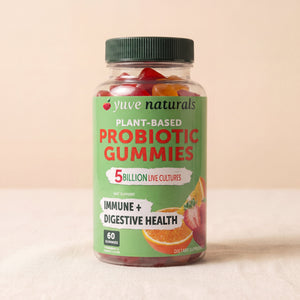
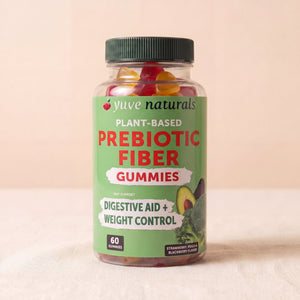
Yuve Vegan Prebiotic Fiber Gummies are one supplement option, with the product description providing 3 g of fiber per gummy. Use the label directions, introduce the product thoughtfully, and consider your total daily fiber from food before increasing your intake.
How Much You Need and How to Avoid Side Effects
There is no single prebiotic “sweet spot” for everyone. Scientific guidance commonly places intake around 5 to 20 g per day, while a clinical prebiotic guide describes 5 to 16 g per day as often effective for general bifidogenic effects. Some clinical goals may use higher amounts or longer periods, but those protocols are not instructions to copy without guidance.
Your best starting amount depends on your current diet, the fiber type, and how sensitive your digestion is. If high-fiber foods rarely appear on your plate, beginning with a full supplement serving can feel like asking your gut microbes to host a much larger meal than usual. As they ferment prebiotic fiber, they produce gas, so bloating, rumbling, and flatulence can occur even when the ingredient is working as intended.

A gentler way to begin
Use this step-by-step approach:
- Choose one source first. Select a food or supplement that clearly identifies its fiber type.
- Begin below the full serving if needed. A smaller amount gives you room to observe your response.
- Increase gradually. Change one factor at a time, so you can connect a reaction with the likely cause.
- Drink fluids regularly. Fiber works alongside your overall hydration habits.
- Spread it across meals. Smaller portions may feel easier than one large dose.
- Track symptoms briefly. Record the ingredient, amount, timing, stool pattern, gas, and discomfort.
For a detailed introduction to powdered products, see this guide on how to take prebiotic powder.
Constipation may require a different approach from general microbiome support. The earlier review found stronger evidence for amounts above 10 g per day, with a relative risk of 1.72 for improvement. Amounts at or below 10 g per day did not show a statistically significant benefit in that subgroup. This finding supports careful titration, not a race toward the highest dose.
Sam, Yuve's founder, has described digestive challenges as part of the motivation for building gut-health products. That perspective recognizes why “just eat more fiber” can feel frustrating. You deserve a practical way to test an ingredient without blaming yourself when your stomach reacts.
A gas response also gives you useful information. If inulin causes discomfort, reducing the amount, spacing it out, or trying another prebiotic type may help. Your symptoms are information, not a character judgment.
Seek individualized medical advice before making a major fiber change if you have persistent pain, ongoing diarrhea or constipation, blood in the stool, unexplained weight change, or a diagnosed digestive condition.
Your Simple Plan to Make Prebiotic Fiber Work for You
Prebiotic fiber feeds selected gut microbes. Those microbes ferment it into SCFAs such as acetate, propionate, and butyrate. The result can support microbial balance, regularity, the gut barrier, and immune function, but your response depends on the fiber, amount, and your own microbiome.
Use this checklist:
- Pick one clear source. Choose a prebiotic food or a supplement that names its fiber type.
- Start gently. A smaller amount can help you assess tolerance.
- Pair it with fluids. Don't ignore hydration while increasing fiber.
- Keep a simple bloat diary. Record what you used and how your digestion felt.
- Give the routine time. Review your response over 3 to 4 weeks, rather than judging it after one meal.
- Adjust gradually. If gas becomes uncomfortable, reduce the amount or discuss alternatives with a qualified professional.
- Match the tool to the goal. Food may be enough for some people, while a measured supplement can make consistency easier for others.
Yuve's Vegan Prebiotic Fiber Gummies can fit into a structured routine when you want a measured fiber option alongside prebiotic-rich foods. The aim is not to overwhelm your gut. It's to nourish it consistently and build a routine you can maintain.
If you're ready to make prebiotic fiber part of your daily gut-health plan, explore the plant-based options at Yuve, review the product label, and choose a gradual starting routine that fits your digestion. Share your experience with bloating, regularity, or fiber tolerance so you can keep learning what helps your gut feel its best.