Meta title: Enjoy Dark Chocolate with Stevia Guilt-Free
Meta description: Learn how to enjoy dark chocolate with stevia with less sugar worry and fewer digestive surprises. Get smart label tips, taste guidance, and gut-friendly ways to enjoy it.
That late-day chocolate craving is so real. You want something rich and satisfying, but you may not want the sugar rush, the crash, or the bloated “why did I eat that?” feeling that sometimes follows.
If you've ever stood in the snack aisle holding a stevia-sweetened bar and wondering whether it's a smart choice or a stomach gamble, you're in the right place. Dark chocolate with stevia can absolutely fit a health-conscious routine, but it helps to know what you're eating, why some bars taste better than others, and why one bar may sit fine while another brings on gas. Yikes.
The Chocolate Craving We All Understand
A lot of us are trying to find that sweet spot. We want a treat that still feels like a treat, not a “healthy substitute” that tastes like disappointment. We also want to avoid feeling physically off afterward.
Maybe your story looks like this: you finish dinner, want a little something chocolatey, and try to make a “better” choice. You compare a few bars, maybe even think about a richer gourmet dark milk chocolate option for another occasion, then notice a dark chocolate with stevia bar marketed as sugar-free and wonder if that's the more comfortable choice for your body.
That question makes sense. “Sugar-free” sounds simple, but your gut knows it usually isn't.
Why this gets confusing fast
Dark chocolate with stevia is often assumed to be just regular dark chocolate with a different sweetener. It usually isn't. The ingredient list often includes stevia, sugar alcohols, fibers, cocoa solids, and added fats or emulsifiers that work together to create the texture and sweetness you'd expect from chocolate.
That matters because your body reacts to the whole formula, not just the stevia.
Stevia itself is only one part of the story. The digestive experience often depends more on the supporting ingredients than the headline sweetener.
What you should expect from a good bar
A well-made stevia-sweetened bar should still give you what you came for:
- Real chocolate flavor with some depth and bitterness
- A satisfying snap when you break off a square
- A smooth melt instead of a chalky finish
- Sweetness that doesn't overwhelm the cocoa
- An ingredient list you can read
When those pieces come together, dark chocolate with stevia can feel less like a compromise and more like a practical, enjoyable choice.
Unwrapping Stevia Chocolate What Is It Really
Dark chocolate with stevia is dark chocolate made without regular sugar as the main sweetener. Instead of leaning on sucrose, manufacturers use steviol glycosides, which come from the stevia plant, and then build the rest of the bar around that tiny amount of sweetener.

Stevia is powerful, but it isn't bulky
Here's the part that trips people up. According to a patent describing stevia-based sugar-free chocolate, steviol glycosides are roughly 200 to 350 times sweeter than sucrose, so they're used in very small amounts and are often paired with bulking agents like inulin to preserve texture and mouthfeel.
So no, stevia doesn't replace sugar scoop for scoop.
If you removed sugar from a standard chocolate recipe and added only stevia, you'd lose more than sweetness. You'd lose body, volume, and a big part of the eating experience.
What usually fills the gap
Many bars use a combination like this:
- Unsweetened chocolate or cocoa solids for the chocolate base
- Stevia for high-intensity sweetness
- Erythritol for bulk and extra sweetness
- Inulin or resistant dextrin to help with texture
- Cocoa butter for melt and richness
- Lecithin to improve flow and consistency
That combination is why one bar can feel smooth and polished while another tastes oddly cool, dry, or slightly gritty.
Why ingredient lists matter here
A stevia bar is more like a carefully engineered chocolate formula than a simple swap. The manufacturer has to rebuild what sugar normally does in a chocolate bar.
Quick takeaway: If you see stevia plus erythritol or fiber ingredients, that doesn't automatically mean the product is bad. It usually means the brand is trying to replace sugar's structure, not just its sweetness.
That also explains why dark chocolate with stevia can vary so much from brand to brand. Two bars may both say “stevia sweetened,” but one can taste balanced and the other can leave your stomach making dramatic noises by bedtime.
The Real Deal on Taste and Texture
Let's address a common objection first. Will it taste weird?
Sometimes, yes. But not always.
The “stevia aftertaste” people describe usually shows up when the formula isn't balanced well. Chocolate is a demanding food. It needs bitterness, sweetness, aroma, fat, and texture to land in the right place all at once. If one note sticks out too much, you notice it immediately.
Why some bars taste better than others
Think of sugar in regular chocolate as doing two jobs. It sweetens, and it also acts like part of the physical framework of the bar. When sugar leaves, formulators have to recreate that structure another way.
A 2025 study on dark chocolates reported that stevia sweetener increased viscosity, yield strength, and hardness. In plain language, that means the chocolate can become thicker during production and firmer in the finished bar.
That can be good or bad.
- A little more firmness can support a clean snap
- Too much can make the bar feel stiff or less creamy
- Poor balancing can affect melt, coating, and smoothness
The texture test you can do at home
You don't need to be a food scientist to notice quality. Break off one square and pay attention to three things:
| What to notice | What a good result feels like |
|---|---|
| Snap | Clean break, not crumbly or waxy |
| Melt | Softens smoothly on your tongue |
| Finish | Cocoa flavor lasts longer than the sweetener note |
If the sweetness seems to hit late, hang around too long, or leave a cooling sensation, the supporting sweeteners may be doing too much heavy lifting.
Cocoa still matters more than people think
A stronger chocolate base often helps a lot. If you already enjoy bold cocoa flavors, you may also like reading about raw cacao powder and how cacao flavor works, because it helps explain why some bars taste deep and rounded while others feel flat.
Better stevia chocolate usually doesn't taste “more sweet.” It tastes more chocolate-forward, with the sweetener staying in the background.
That, to me, is the goal. You should taste the dark chocolate first, not a science project.
Stevia Chocolate and Your Body The Good and The Gassy
The actual experience often reveals more. A bar can check all the nutrition boxes and still leave you bloated, burpy, or uncomfortably full. That's frustrating, especially when you're trying to make a better choice.

The good part
There is a real reason people seek out dark chocolate with stevia for blood sugar support. A 2022 clinical trial in adults with diabetes found that a sugar-free dark chocolate bar sweetened with stevia, erythritol, and inulin produced a 65% lower incremental area under the curve for blood glucose than a conventional dark chocolate bar, with the difference reported as statistically significant. The same study also noted that not every glucose measurement changed significantly, so the clearest short-term benefit was a smaller post-meal glucose excursion, not a universal drop across every glucose metric.
That's useful if blood sugar management is on your mind.
It also helps explain why these bars often show up in curated special diet gift collections meant for people looking for lower-sugar options that still feel celebratory.
The gassy part
Now for the less glamorous side. Dun, dun, dun. Gas, bloating, pressure, and bathroom drama can happen with stevia-sweetened chocolate, but stevia is not always the main culprit.
The usual suspects are:
- Sugar alcohols like erythritol that can feel uncomfortable for some people
- Added fibers like inulin that may ferment in the gut
- Large portions of a bar that was designed to be eaten in smaller amounts
- A sensitive digestive system that reacts to concentrated sweetener blends
Some people do great with these ingredients. Others feel puffed up after just a small serving. Both experiences are valid.
Why your body may react differently from someone else's
Digestive tolerance isn't a character test. It's not about willpower or being “healthy enough.” Your gut has its own personality.
If you already deal with bloating, IBS-like symptoms, or general food sensitivity, a sugar-free chocolate bar may hit differently than it does for your friend who can eat half the pantry and feel fine. If that sounds familiar, this guide on how to reduce gas and bloating can help you think through your own patterns.
Start with a small portion of a new bar. A tiny serving tells you more than a brave serving.
I hear versions of this all the time from people who are trying to “eat cleaner” and end up feeling worse. Sam, from the Yuve founder story, dealt with digestive frustration too. That lived experience matters because it reminds us that food choices aren't just about labels. They're about how your body responds after you eat.
How to Choose a High-Quality Bar
Shopping for dark chocolate with stevia gets easier once you know what to scan for. Front-of-package claims can be helpful, but the ingredient list is where the truth lives.

What a solid formula can look like
A commercial stevia-sweetened dark chocolate specification from Santa Barbara Chocolate shows that a bar can fit a sugar-free threshold of less than 0.5 grams of sugar per serving and list ingredients such as unsweetened chocolate, erythritol, inulin, resistant dextrin, cocoa butter, soy lecithin, steviol glycosides, and vanilla extract, with 357 kcal per 100 g.
That tells you something important. Better bars in this category usually aren't made with stevia alone. They're built as low-sugar chocolate systems designed to preserve flavor and texture.
What to look for on the label
Use this as your shopping filter:
-
Chocolate first
Look for unsweetened chocolate, cocoa mass, or cocoa liquor near the top of the ingredient list. You want a real cocoa base, not a candy-like formula. -
A transparent sweetener blend
If the package clearly states stevia plus erythritol or fiber ingredients, that's more helpful than a vague “natural sweeteners” label. -
Shorter ingredient list
Fewer moving parts usually make it easier to predict taste and digestion. -
A cocoa-rich profile
Many people prefer bars with a darker, more intense flavor because the chocolate note can balance the sweetener profile better.
What makes me pause
Not every stevia bar is worth buying.
| Green flags | Caution signs |
|---|---|
| Recognizable ingredients | Lots of vague additives |
| Cocoa-forward flavor cues | Heavy flavor masking |
| Clear sweetener disclosure | Unclear sweetener blends |
| Simple formulation | Long, crowded ingredient panel |
Shopping rule: Don't let “sugar-free” make the decision for you. A bar can be sugar-free and still be a poor match for your taste or your gut.
A simple buying strategy
If you're new to dark chocolate with stevia, buy one bar at a time, not a case. Try it after a balanced meal, not on an empty stomach, and pay attention to taste, fullness, and digestion over the next few hours.
That little experiment will tell you more than the package ever could.
Creative Ways to Enjoy Your Chocolate
A square straight from the wrapper is great, but dark chocolate with stevia can do more than that.

Easy ideas that feel fun, not fussy
Try one of these:
- Melt a little over fruit for a simple dessert that feels special
- Chop a square into oatmeal if you like a bitter-sweet chocolate ripple
- Add pieces to plain vegan yogurt with nuts or seeds
- Stir a bit into warm plant milk for a quick homemade hot chocolate
- Use it in snack prep if you want portioned treats ready to go
If you like experimenting, browsing personalized meal recipes can spark ideas for pairing chocolate with your usual breakfast bowls or snacks.
One helpful mindset shift is this: let the chocolate be an accent, not the whole event. That often makes the flavor feel richer and helps you learn what amount feels good in your body.
For another no-fuss idea, these raw chocolate protein bars with dates can give you a homemade-style snack angle when you're in the mood for something more substantial.
A quick visual can help if you want serving inspiration:
Common Questions About Stevia Chocolate
Is dark chocolate with stevia better for blood sugar?
It can be a useful option for some people. In the clinical trial mentioned earlier, the stevia-sweetened bar produced a smaller short-term blood glucose excursion than a conventional dark chocolate bar in adults with diabetes. That said, “better” still depends on the full product and your own health needs.
Can stevia chocolate cause bloating?
Yes, it can. Often the issue is not stevia alone, but the erythritol, inulin, or other bulking ingredients used to replace sugar's texture and volume. If you're sensitive, portion size matters a lot.
Is it okay for kids?
That depends on the child, the ingredient list, and the situation. Some children tolerate sugar-free products just fine, while others may be more sensitive to sugar alcohols or added fibers. If you're considering it for a child, keep portions small and choose a simple formula.
Can I bake with it?
Usually, yes, but results can vary. Because stevia-sweetened chocolate behaves differently from regular chocolate, texture and sweetness may not match a recipe designed for standard chocolate chips or bars. It often works best in melted applications, drizzles, or mix-ins where the chocolate doesn't need to behave exactly like a traditional baking bar.
Does sugar-free mean digestion-friendly?
Not always. This is a big one. Sugar-free tells you something about the sugar content. It does not guarantee that your stomach will love the product. Always read the full ingredient list and notice your own tolerance.
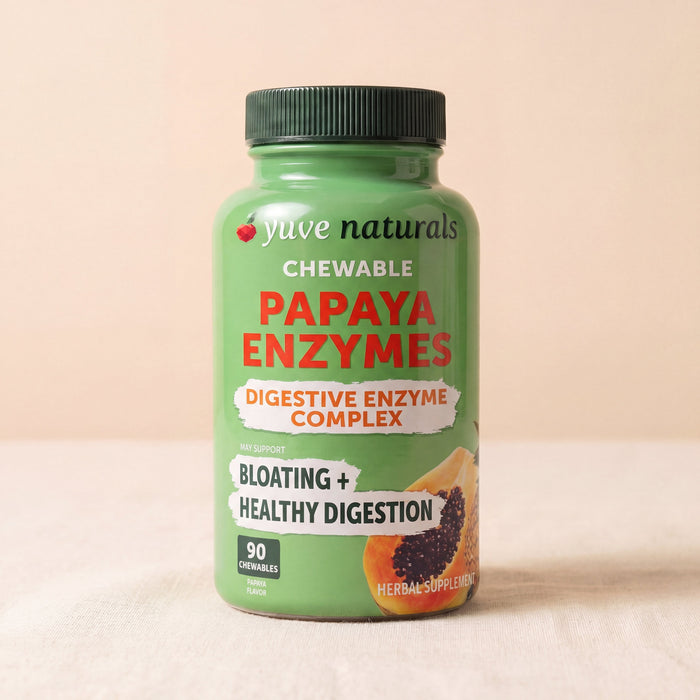
If you want extra support for everyday digestion, explore Yuve. Their plant-based gut health supplements are designed for people who want to enjoy food with more confidence, especially when bloating and digestive sensitivity keep stealing the fun.